Buying a home on the water sounds simple. You find a nice view, you sign the papers, and you enjoy the sunsets. But when it comes time to sell, waterfront property plays by its own rules.
Some homes on the water sell fast and for top dollar. Others sit on the market for months, even with a gorgeous view. The difference usually comes down to a handful of factors that buyers care about but sellers rarely think about until it’s too late.
If you’re buying now with resale in mind, or if you already own a piece of waterfront and want to protect its value, this guide breaks down what actually moves the needle. Teams like Gulf and Greens Luxury see these patterns play out again and again across Southwest Florida, and the lessons apply just about anywhere water meets land.
Water Access Matters More Than Water Views
A lot of buyers get excited about a pretty view and forget to ask what they can actually do with the water. This is one of the biggest resale factors, and it’s often overlooked.
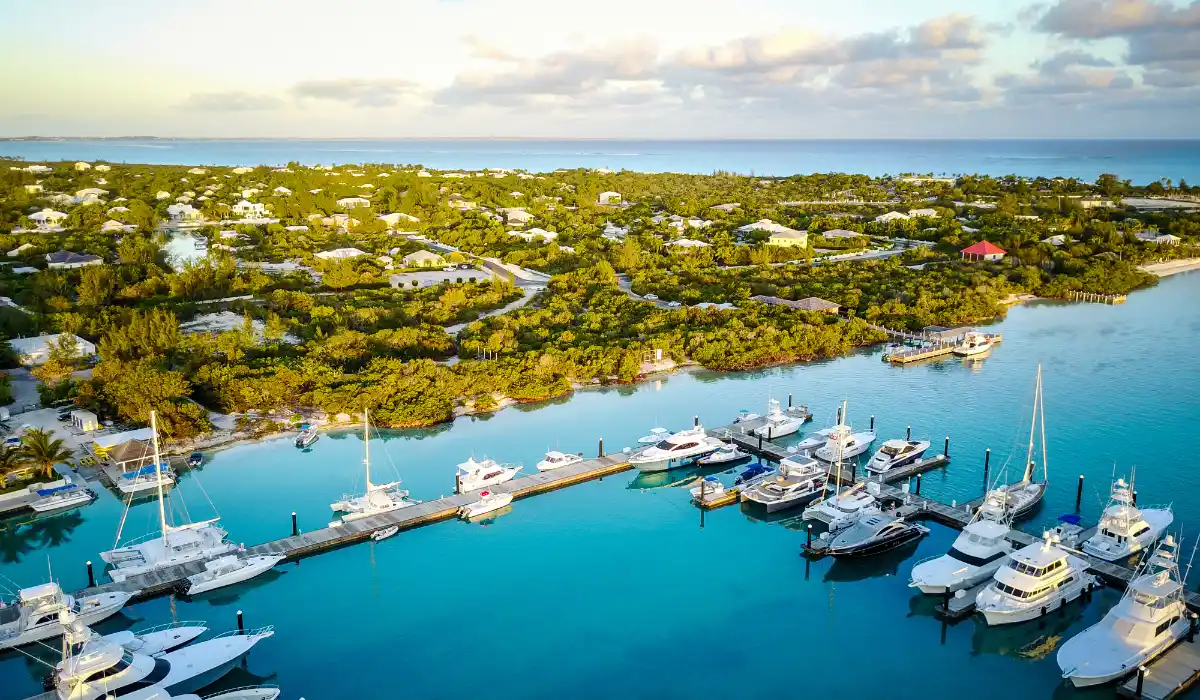
Homes with direct boat access, no bridges, no locks, and deep enough water for a real boat tend to hold value better than homes with a view but no usable access. Buyers pay a premium for the ability to hop on a boat and head straight to open water.
- Direct Gulf or ocean access (no fixed bridges)
- Canal depth and width for larger boats
- Private dock with a lift already installed
- Distance to open water measured in minutes, not miles
If a home only offers a view and the water out back is too shallow or blocked for real boating, expect a smaller buyer pool down the road.
Flood Zones Change the Math for Buyers
Every waterfront home sits in some kind of flood zone, and buyers today are far more aware of this than they used to be. It affects insurance costs, financing options, and how a buyer feels about long term ownership.
A home in a lower risk flood zone will usually sell easier and for a stronger price than a similar home in a high risk zone. Insurance premiums have climbed in many parts of Florida, and that monthly cost sits in the back of every serious buyer’s mind.
Before you buy, or before you list, it helps to know exactly which flood zone the property sits in and what elevation certificates show. This isn’t the most exciting part of waterfront ownership, but it shapes resale value more than most people expect.
Elevation and Construction Details Buyers Actually Check
Newer waterfront homes are often built higher off the ground, with concrete block construction and impact windows. Older homes may sit lower and use materials that don’t hold up as well to storms or humidity.
Buyers researching resale value will ask about:
- Base flood elevation and how high the home sits above it
- Roof age and hurricane rating
- Impact windows or storm shutters
- Seawall condition and age
A home with recent upgrades in these areas tends to command a better price, since the next buyer won’t have to budget for major repairs right away.
Dock, Seawall, and Lift Condition
A dock that looks great in photos but needs major repair work will get flagged during inspection, and that changes negotiations fast. Seawalls are expensive to replace, often running into six figures depending on length and material.
Buyers who plan to actually use the water will want documentation on:
- When the seawall was last inspected or replaced
- Dock permits and whether they’re current
- Boat lift weight capacity and working condition
- Any erosion or settling near the water’s edge
Sellers who keep this paperwork organized and up to date tend to move through negotiations faster, since buyers aren’t left guessing.
Location Within the Region Still Rules Everything
Even with all the water specific factors above, location within Southwest Florida still plays a massive role. A canal home in a quiet, established neighborhood close to shopping and dining will often outsell a similar home further out, even if the second home has slightly better water access.
Buyers are thinking about more than just the property. They’re thinking about commute times, school zones, proximity to golf courses, and how the neighborhood feels day to day. This is where local market knowledge becomes so valuable. Gulf and Greens Luxury works with buyers and sellers across the region’s golf communities and waterfront neighborhoods, and pricing a home correctly means looking at these lifestyle factors alongside the physical property details. Anyone comparing options across the region’s waterfront homes in Southwest Florida will find that pricing swings quite a bit block by block, not just city by city.
Renovations That Actually Pay Off on the Water
Not every upgrade adds equal value. On waterfront property, certain renovations matter more because they solve problems specific to living near water.
Upgrades that tend to pay off:
- Updated seawalls and dock structures
- Impact windows throughout the home
- Raised HVAC and electrical systems
- Fresh exterior paint and sealing against salt air
Cosmetic upgrades still help, but on waterfront homes, buyers care just as much about the bones of the property holding up against wind, water, and humidity over time.
How Insurance Costs Shape Buyer Decisions
Insurance has become one of the loudest conversations in Florida real estate, and waterfront homes feel it the most. Flood insurance, wind insurance, and standard homeowners coverage can add up to a serious monthly cost.
Before listing a home, it’s worth getting a current insurance quote to share with potential buyers. This removes guesswork and can actually speed up a sale, since buyers won’t need to pause and get their own quote before making an offer.
A home with a strong insurance history, meaning no major claims and updated systems, often reassures buyers that they won’t face surprises after closing.
What This Means If You’re Buying or Selling
Waterfront property will likely always carry a premium in Florida. Sun, water, and boating access aren’t going out of style. But not every waterfront home holds its value equally, and the difference usually comes down to the details covered above.
If you’re buying, look past the view and ask hard questions about the flood zone, seawall condition, and true water access. If you’re selling, get your paperwork ready early and be upfront about any past repairs or claims.
Working with someone who understands these local factors makes a real difference. Gulf and Greens Luxury has spent years tracking how these details play out across golf communities and waterfront neighborhoods in Southwest Florida, and that kind of hands on market knowledge is hard to replace with a quick online search.