
Summer is the easiest time of year to spot the small problems around your home before they turn into bigger ones. A short property inspection walk, done while the weather is warm and dry, can catch loose railings, cracked walkways, and hidden roof damage long before winter makes repairs harder and more expensive. This kind of seasonal home maintenance check also gives you a clear head start on tasks like outdoor electrical safety, landscaping upkeep, and even planning ahead for the holiday decorating season. Homeowners who build this walk into their summer routine tend to spend far less time scrambling to fix surprises later in the year. This guide breaks down exactly what to look at and why each spot matters.
Key Takeaways
- A summer property walk catches small problems while they are still cheap and easy to fix
- Walkways, railings, and rooflines are the most common trouble spots homeowners miss
- Testing outdoor outlets now avoids surprises later, especially around the holiday season
- Checking your roofline early makes planning outdoor holiday light installation near Chesterfield much smoother
- Trimming landscaping in summer prevents storm damage and foundation issues later in the year
Why a Summer Walk-Around Actually Matters
Most homeowners only notice problems around their property once something has already failed, like a wobbly step or a sagging gutter. By then, the fix usually costs more and takes longer than it would have if it had been caught earlier.
A study by the National Association of Home Builders found that routine seasonal maintenance can extend the life of major home components by several years and reduce emergency repair costs significantly compared to reactive fixes. Summer is a good time for this walk because the ground is dry, daylight lasts longer, and most issues are easy to see without snow, ice, or heavy rain hiding them.
Start With Walkways and Steps
Walkways are one of the most overlooked parts of a property, yet they are also one of the most common causes of injury around a home. As you walk the property, look for:
- Cracks or uneven sections in concrete or paver walkways
- Loose or wobbly steps
- Areas where water tends to pool after rain
- Tripping hazards from roots, shifted stones, or settled soil
Small cracks that seem harmless in summer often widen once freezing temperatures arrive, so catching them now saves a much bigger repair later.
Check Railings and Handrails
Railings on porches, decks, and steps take a lot of quiet wear over the years from weather, rust, and general use. During your walk, gently shake each railing to check for looseness, and look closely at the base where it meets the ground or deck, since that is usually where rot or rust starts first.
A wobbly railing might not seem urgent in July, but by the time snow and ice arrive, a loose railing becomes a real fall risk exactly when people are relying on it most.
Inspect the Roofline From the Ground
You do not need to climb onto the roof to do a basic check. Standing back from the house, look at the roofline for:
- Missing, curling, or discolored shingles
- Sagging sections along the roof edge
- Debris buildup in gutters or along the roof edge
- Areas where paint or trim near the roofline looks worn or peeling
This is also the point in the walk where it makes sense to think ahead about the roof edge for a different reason. If you plan on decorating for the holidays later this year, checking your roofline and gutter condition now is the easiest time to also note where clips, hooks, or outdoor electrical access will be needed. Homeowners who are considering outdoor holiday light installation near Chesterfield often find it easier to plan ahead once they already know the condition of their roofline and where outlets are located, rather than discovering problems in the middle of the busy decorating season. Scheduling this kind of service becomes far simpler once you already know the roof edge is sound and the electrical access points are working.
Test Outdoor Electrical Outlets
Outdoor outlets are used far less often than indoor ones, which means problems can go unnoticed for a long time. During your walk, plug in a small device or test light at each outdoor outlet to confirm it works, and check that the plug itself is not cracked, discolored, or loose in the wall.
Faulty outdoor outlets are also one of the more common home electrical hazards, according to the U.S. Consumer Product Safety Commission, which tracks electrical fires tied to outdoor wiring and seasonal displays each year. Confirming your outlets work properly in summer means one less thing to worry about when it comes time for holiday lighting, landscaping tools, or outdoor gatherings later in the year.
Review Landscaping and Trees
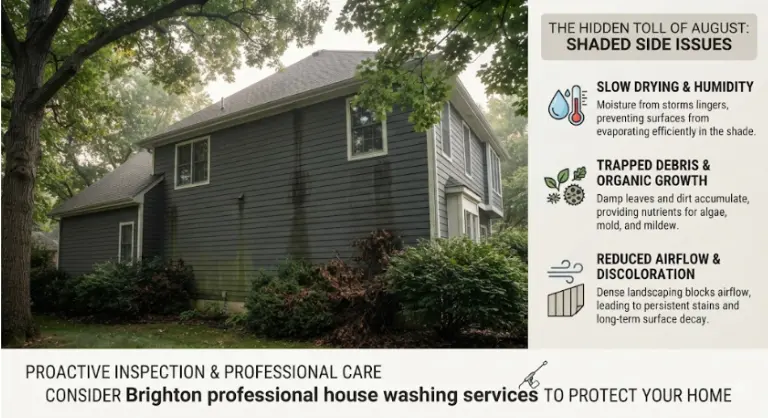
Overgrown landscaping does more than look messy. Branches too close to the house can damage siding or roofing during storms, and roots growing near a foundation can eventually cause cracking. Walk the perimeter of your property and note:
- Branches touching or hanging over the roof
- Shrubs growing against siding or blocking vents
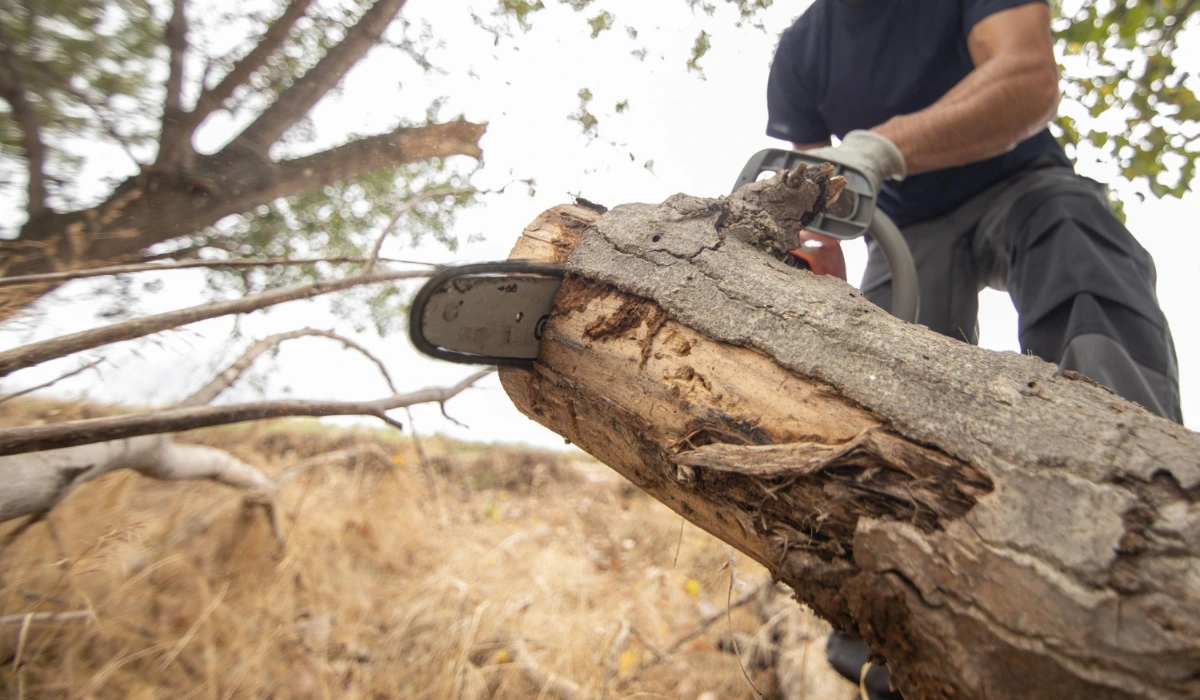
- Any trees with dead or cracked limbs
- Areas where grass or mulch beds have thinned out
Trimming back branches in summer, while growth is easy to see and reach, is far simpler than dealing with storm damage from a branch that finally gave way in winter wind.
Walk Through Gathering Spaces
Patios, decks, and other outdoor gathering spaces get heavy use in summer, which makes this the ideal time to check them. Look at deck boards for soft spots or warping, check that furniture and fixtures are stable, and confirm that any outdoor lighting fixtures are working correctly. If your family regularly gathers outside during the holidays too, this is worth thinking about early, since a stable, well-lit gathering space is just as important in December as it is in July.
A Simple Example: Why Timing Makes a Difference
Consider a homeowner who waited until late November to check their roofline and outdoor outlets, right as they were preparing for holiday decorating. They discovered a damaged gutter section and a dead outdoor outlet at the same time they were trying to schedule light installation, which delayed the whole project by weeks during the busiest time of year for local installers.
Compare that to a homeowner who did a simple summer walk-around in July. They noticed the same gutter issue months earlier, had it repaired while contractors had open schedules, and confirmed their outdoor outlets worked well before decorating season began. When it came time to plan their display, the process moved quickly because nothing unexpected came up. This kind of pattern is common enough that most home maintenance guides recommend seasonal walk-throughs specifically to avoid the scramble that comes with waiting until the last minute.
A Simple Summer Checklist Table
| Area | What to Check | Why It Matters |
| Walkways and steps | Cracks, unevenness, pooling water | Prevents trip hazards and worsening cracks in winter |
| Railings | Looseness, rust, base condition | Reduces fall risk once ice and snow arrive |
| Roofline | Shingles, sagging, debris, electrical access | Cheaper repairs now, easier holiday light setup later |
| Outdoor outlets | Function, cracks, looseness | Avoids electrical hazards and last-minute surprises |
| Landscaping | Overgrowth, dead branches, root damage | Prevents storm and foundation damage |
| Gathering spaces | Deck stability, lighting, furniture | Keeps outdoor spaces safe for use year-round |
Frequently Asked Questions
How long does a summer property walk-around take?
For most homes, a thorough walk takes between 30 minutes and an hour. Larger properties or homes with more landscaping may take a bit longer, but the time investment is small compared to the repairs it can help you avoid.
Do I need a professional to do this walk, or can I do it myself?
Most of this checklist can be done by any homeowner without special tools or training. If you find something you are unsure about, like roof damage or an electrical issue, that is the point where calling in a professional makes sense.
Why does checking my roofline in summer help with holiday lighting later?
Checking your roofline early means you already know its condition and where outdoor outlets are located, which makes scheduling holiday light installation faster and smoother once decorating season arrives, instead of discovering problems at the last minute.
What is the most commonly missed spot during a property walk?
Outdoor electrical outlets are often skipped because they are used so rarely. Testing them in summer, well before you need them for lighting or outdoor tools, helps avoid last-minute surprises.
How often should I do this kind of walk-around?
Once each summer is a reasonable minimum for most homes, though checking again briefly in early fall before the weather turns can catch anything that changed over the following weeks.