If you have ever stood in your backyard and wondered whether that shed, barn, or garage out back is helping or hurting your home’s value, you are asking the right question. Outdoor structures are one of those property features that fall into a gray area for a lot of sellers. They are not the kitchen. They are not the bathroom. They rarely make the listing photos. But they show up in person, during the walkthrough, and they shape the story a buyer tells themselves about how a property has been cared for.
The honest answer is that yes, the right structure can support resale value. The wrong one, or the neglected one, can quietly work against you. The difference usually comes down to what buyers actually notice when they walk the property, and most of it has nothing to do with the price tag on the building itself.
Here is a closer look at what buyers register, what they ignore, and what it means if you are thinking about adding a structure before you sell.
Buyers Notice Condition Before They Notice Type
When a buyer steps into a backyard and sees a storage building, their brain makes a snap judgment before they ever read a spec sheet. Is it square to the ground? Are the doors hanging properly? Is the roofline clean? Is the siding faded, warped, or growing something green?
A well maintained shed in a standard size reads as “the owners took care of this place.” A leaning shed with a sagging door and moss on the roof reads as “there is probably a longer list of problems inside the house too.” That judgment happens in seconds, and it is hard to undo once it lands.
This matters more than the specific type of structure. A basic storage shed that looks solid and sits level will do more for a buyer’s impression than a larger, fancier building that looks tired. Condition signals stewardship, and stewardship signals value.
If you are preparing to sell, the single most impactful thing you can do with any existing backyard structure is make it look like it was built last month. Tighten the hardware. Oil the hinges. Clean the siding. Make sure the doors open and close without a fight. These are small efforts with an outsized return on perception.
Buyers Notice Whether The Structure Solves A Problem
Most buyers arrive at a property with a mental list of things they need to store. Lawn equipment. Holiday decorations. Kids’ outdoor toys. Tools. Maybe a second vehicle if the garage is full. When they see a backyard structure that clearly handles that overflow, they feel relief before they feel anything else.
Relief is a powerful emotion in a buying decision. A buyer who walks the yard and thinks, “good, I do not have to figure out where the mower goes” is a buyer who is already picturing themselves living there. That mental move from “touring a house” to “imagining a home” is exactly where offers get made.
On the flip side, a structure that is clearly full of the seller’s clutter sends the opposite signal. It tells the buyer the storage is already spoken for, and worse, it hints that the property does not have enough room for the current owner’s stuff. That plants a quiet doubt about whether the buyer’s own belongings will fit either.
If you are selling, clear out at least half of what is in the structure. Let the buyer see the space, not just the stuff. An organized, half empty shed reads as “there is room for me here.” A packed shed reads as “this place is maxed out.”
Buyers Notice Quality Cues They Can See Without Being Told
Most buyers are not going to ask about floor joist spacing or connector plates. They are going to look at the things they can see and touch, and those visible cues do most of the persuading.
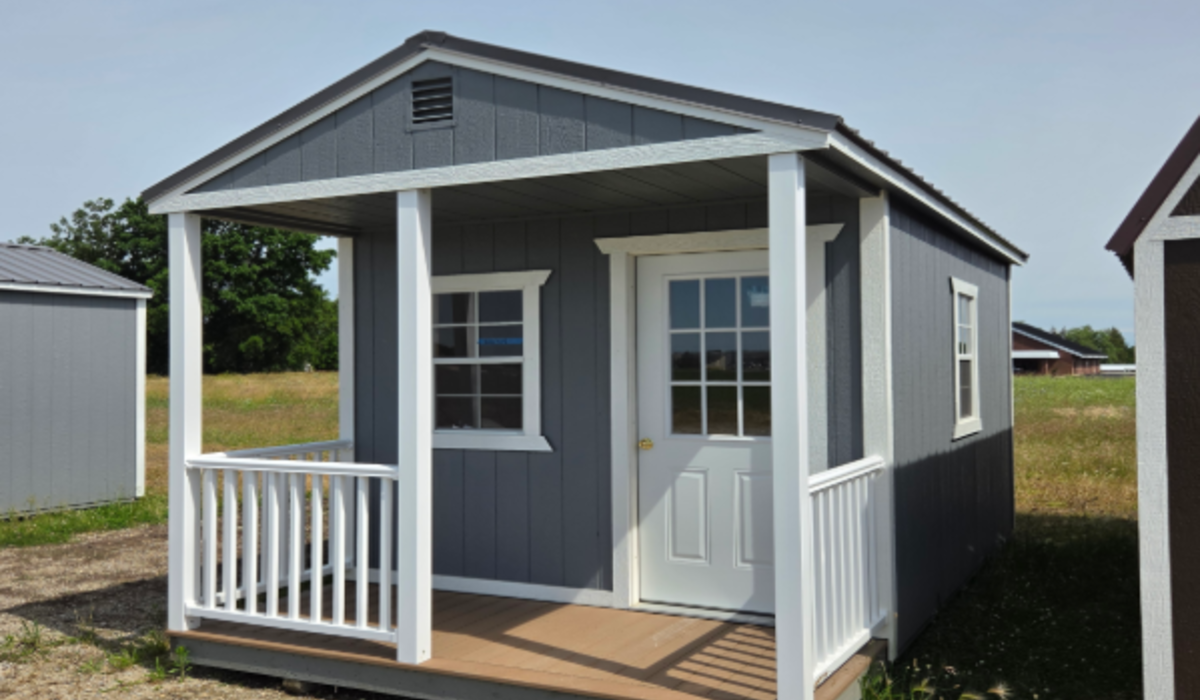
A roof with clean shingles or tidy metal panels reads as “this will not need replacing.” Diamond plate thresholds at the door read as “someone built this to last.” Treated skids sitting level on the ground read as “this is not going to rot out from underneath.” None of these require a conversation. The buyer just absorbs them.
This is why the visible construction details matter so much in resale. They are doing silent sales work. A buyer may not know what a hurricane strap is, but they do register that the roofline looks solid and the building feels sturdy when they lean on it. They may not know the difference between siding types, but they notice whether the paint or finish looks even and clean.
If you are adding a structure with resale in mind, lean into the details a buyer can see from ten feet away. A clean roof. A door that works. A level base. A finish that has not faded. Those four things will outperform almost any hidden upgrade.
Buyers Notice Fit And Placement
A structure that fits the property feels intentional. A structure that looks dropped wherever it would fit feels like an afterthought.
Buyers notice when a shed is set back from the property line, centered on a fence run, or tucked along a tree line. They notice when the door faces the yard instead of the neighbor’s window. They notice when there is a clear path to get to it, especially if they are picturing carrying a mower or a ladder back and forth.
Placement also signals respect for the next owner. A building that blocks a view, crowds a patio, or sits too close to the property line tells the buyer they are going to inherit a problem. A building that sits where you would have put it yourself tells them the previous owner thought ahead.
If you are choosing a location for a new structure, think about how a stranger would walk the yard. Give them a clear approach. Keep the best sightlines open. Leave room around the building so it does not feel cramped. These choices cost nothing and pay back in buyer impression.
Buyers Notice Whether It Matches The Property
This is where a lot of structures either blend in or stick out, and buyers feel it before they can name it.
A storage building with a roofline, color, and scale that echo the main house tends to read as part of the property. A building with a clashing color, an oversized footprint, or a style that fights the house tends to read as something that was added without much thought.
Traditional colors tend to age better and appeal to a wider range of buyers. Neutral tones like black, white, tan, brown, and gray rarely draw complaints. Unusual colors can become a talking point in the wrong direction, especially if a buyer is already mentally calculating what it would cost to repaint or replace.
Scale matters too. A structure that is too small for the yard can look like a toy. A structure that is too large for the yard can look like it took the yard. The sweet spot is a size that feels useful without dominating the outdoor space.
What Buyers Tend To Ignore
It is worth naming what most buyers do not factor in, because sellers often worry about the wrong things.
Buyers generally do not care about the brand of the building. They are not checking manufacturer names. They care about what they see.
Buyers generally do not care about the original price. They are not subtracting what you paid from their offer. They are asking whether the building adds to or detracts from the property as it stands.
Buyers generally do not care about the paperwork history unless something looks wrong. If the building looks permitted and permanent, they rarely ask. If it looks thrown together, they start asking questions you do not want to answer.
The takeaway is simple. Buyers respond to what is visible, functional, and clean. They do not respond to receipts or brand names.
A Practical Note On Adding A Structure Before You Sell
If you are considering adding a backyard building specifically to support a future sale, the math is straightforward. A clean, well placed, functional storage structure tends to help a property show better and feel more complete. It rarely add a dollar for dollar return on its own, but it does strengthen the overall impression that drives offers.
The structures that pay back best are the ones that solve a clear storage problem for the next owner, sit level and clean, and match the property in color and scale. The ones that do not pay back are the ones that look like a project the buyer will have to deal with.
If you are going to add one, build or buy for the next owner, not just for yourself. Choose a size that feels standard for the lot. Choose a color that blends. Place it where it belongs. Keep it maintained from day one so that when the time comes to list, it is already doing its job.
The Bottom Line On Resale Value
A backyard structure is not going to be the feature that sells a house on its own. But it is one of the things a buyer notices during a walkthrough, and those small impressions add up. A property that feels organized, cared for, and ready for the next owner tends to command stronger offers than one that feels maxed out and slightly neglected.
The structures that help resale are the ones that look solid, sit right, solve a real storage problem, and fit the property. The structures that hurt resale are the ones that look tired, sit crooked, or feel like they are in the way.
If you already have one, spend a weekend making it look its best. If you are adding one, build it with the next owner in mind. Either way, the goal is the same. Give the buyer one less thing to worry about and one more reason to picture themselves staying.