Office security has changed dramatically over the past decade. As workplaces become more connected, flexible, and technology-driven, traditional approaches to access control are no longer meeting the needs of many organizations.
Businesses today must balance security with convenience, employee accessibility, and operational efficiency. This shift has led many organizations to reevaluate how they manage entry points and protect sensitive areas within the workplace.
Companies exploring modern protection strategies often begin with office lock solutions that provide greater control over who can access specific spaces and when.
The Limitations of Traditional Keys
For many years, physical keys were the standard approach to office security.
While simple and familiar, key-based systems present several challenges:
- Lost keys
- Unauthorized duplication
- Employee turnover
- Limited tracking capabilities
- Difficult access management
As organizations grow, managing dozens or even hundreds of keys becomes increasingly complicated.
Security Gaps Can Develop Quickly
When keys change hands frequently, maintaining accurate records becomes difficult.
Even a single misplaced key can create uncertainty about who may still have access to sensitive areas.
Access Control Is Becoming Essential
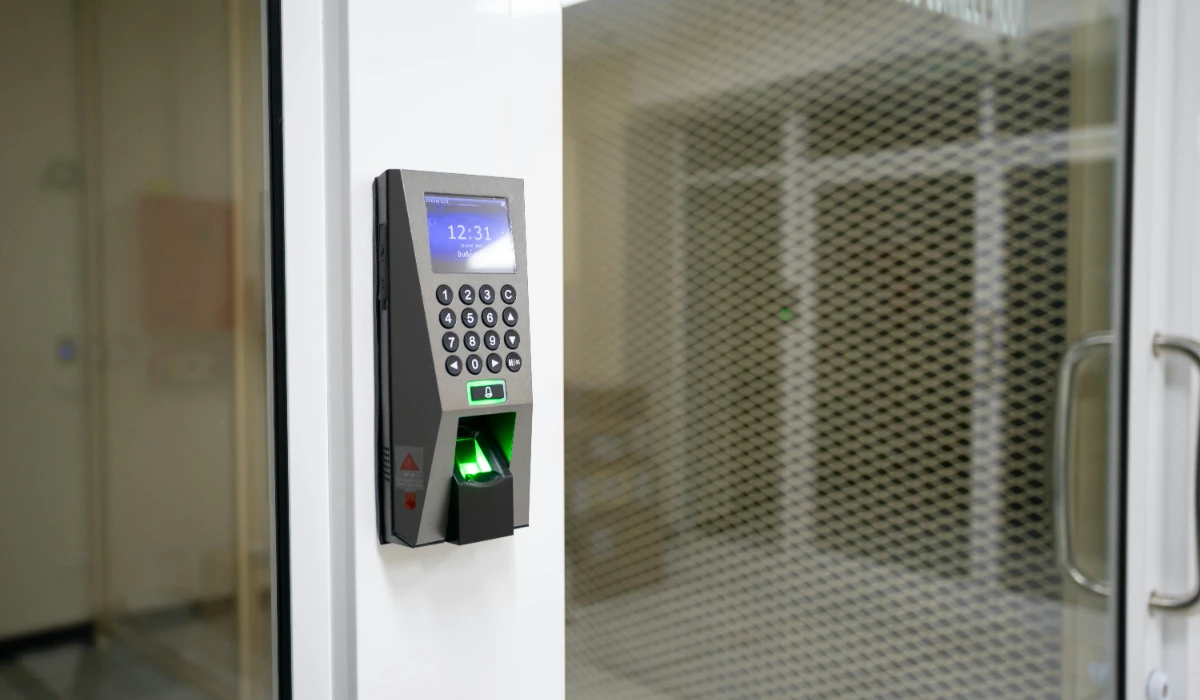
Modern businesses increasingly rely on access control systems to address these challenges.
These systems allow organizations to:
- Assign user-specific credentials
- Restrict access to designated areas
- Monitor activity
- Adjust permissions instantly
- Improve accountability
Unlike traditional keys, access permissions can often be modified without replacing physical hardware.
Supporting Flexible Work Environments
The rise of hybrid work models has changed how many offices operate.
Employees may:
- Work different schedules
- Share workspaces
- Visit multiple locations
- Require temporary access
Modern security systems provide the flexibility needed to accommodate these changing arrangements while maintaining control.
Convenience and Security Can Coexist
One common misconception is that stronger security creates additional inconvenience.
In reality, modern systems often simplify access management while improving protection.
Employees gain easier access to authorized areas, while administrators maintain greater oversight.
Protecting Sensitive Information
Many offices store valuable information, equipment, and intellectual property.
Strong access management helps protect:
- Client records
- Financial data
- Technology assets
- Confidential documents
- Restricted workspaces
By controlling who can enter specific areas, businesses reduce the risk of unauthorized access.
Physical Security Still Matters
Although digital solutions are becoming more common, physical security remains essential.
Businesses continue to invest in:
- Commercial-grade locks
- Reinforced entry points
- Secure storage areas
- Controlled access zones
- Routine security assessments
These measures work alongside digital systems to create comprehensive protection.
Small Upgrades Deliver Significant Benefits
Organizations often discover that targeted improvements provide meaningful security gains without requiring major renovations.
Many upgrades can be implemented with minimal disruption to daily operations.
Planning for Future Growth
Security needs rarely remain static. As businesses expand, hire new employees, or adopt new technologies, access management requirements evolve.
Scalable security systems allow organizations to adapt without replacing entire infrastructures.
This flexibility helps protect investments while supporting long-term growth.
Smarter Security for Modern Workplaces
Many organizations now rely on commercial security experts to evaluate vulnerabilities and recommend practical solutions that align with business goals.
Security Designed for the Way We Work Today
Modern offices require security systems that support productivity while protecting people, assets, and information. By moving beyond traditional key management and embracing more flexible access solutions, organizations can create safer and more efficient workplaces. The future of office security is not simply about locking doors—it’s about managing access intelligently and strategically.