Key Takeaways
- Smaller, smarter homes are gaining popularity, emphasizing efficient use of space.
- Mid-century modern elements are making a comeback, adding warmth and character.
- Personalized interiors with rich textures and colors are replacing minimalist designs.
- Outdoor living spaces are becoming essential extensions of the home.
- Smart home technologies are seamlessly integrating into daily life.
Modern suburban living is evolving, with homeowners increasingly embracing design trends that combine functionality, aesthetics, and sustainability. Open-concept layouts, energy-efficient materials, smart home integration, and biophilic design elements are becoming central features in contemporary home planning. These trends not only enhance comfort and usability but also promote long-term environmental responsibility and reduced utility costs.
Outdoor living spaces are also gaining importance, with many homeowners extending their interiors into landscaped patios, garden lounges, and multifunctional backyard areas. Neutral color palettes paired with natural textures such as wood, stone, and linen continue to dominate, creating calm and timeless environments. For those exploring new residential communities and modern housing options, Emory Crossing homes offer an excellent example of how these design trends are being applied in real developments. As suburban neighborhoods continue to grow and adapt, the focus remains on creating spaces that are both stylish and practical for modern family life.
Embracing Smaller, Smarter Homes
As housing costs rise and environmental concerns grow, many are opting for smaller homes that maximize space efficiency. Architects are designing floor plans that are not only compact but also feature-rich, ensuring every square foot serves a purpose. This trend reflects a shift towards intentional living, where quality trumps quantity. For instance, David Weekley Homes, a renowned builder with a strong presence in the Austin area, offers townhomes in the Emory Crossing community that exemplify this approach. These two-story townhomes include three bedrooms, two full baths, one half bath, and two-car garages, all within a thoughtfully designed space. These efficient homes often feature multipurpose areas and cleverly concealed storage solutions. For example, under-stair drawers, built-in window benches with hidden compartments, and convertible rooms that serve as both an office and guest space optimize utility without sacrificing comfort. Homeowners increasingly see the value in adapting their homes for evolving needs over time, whether it’s accommodating a growing family or providing flexibility for work-from-home lifestyles. Innovative builders are responding to these demands by prioritizing open-concept layouts and active transitions between spaces, ensuring that even modestly sized homes feel open and airy. These design strategies foster a sense of spaciousness, a crucial factor for today’s suburban dwellers.
Revival of Mid-Century Modern Design
Mid-century modern design, characterized by clean lines and organic forms, is experiencing a resurgence. Homeowners are incorporating elements like warm wooden finishes, earth-toned palettes, and natural materials to create inviting spaces. This style’s timeless appeal lies in its simplicity and connection to nature, making it a favorite among those seeking both style and comfort. In communities like Emory Crossing, these design elements are seamlessly integrated, offering residents a blend of classic aesthetics and modern functionality. The renewed interest in mid-century modern aesthetics also includes nods to vintage fixtures, geometric patterns, and statement lighting. Sleek furniture silhouettes, strategic use of glass, and integration of indoor greenery further help to bring the outdoors in, enhancing a home’s overall sense of calm and wellbeing. Homeowners are rediscovering vintage materials such as terrazzo and brass, incorporating these details for both nostalgic value and durability. This trend is not merely about replicating the past, but about carefully curating elements that celebrate heritage while supporting modern-day comfort and efficiency.
Personalized Interiors with Rich Textures and Colors
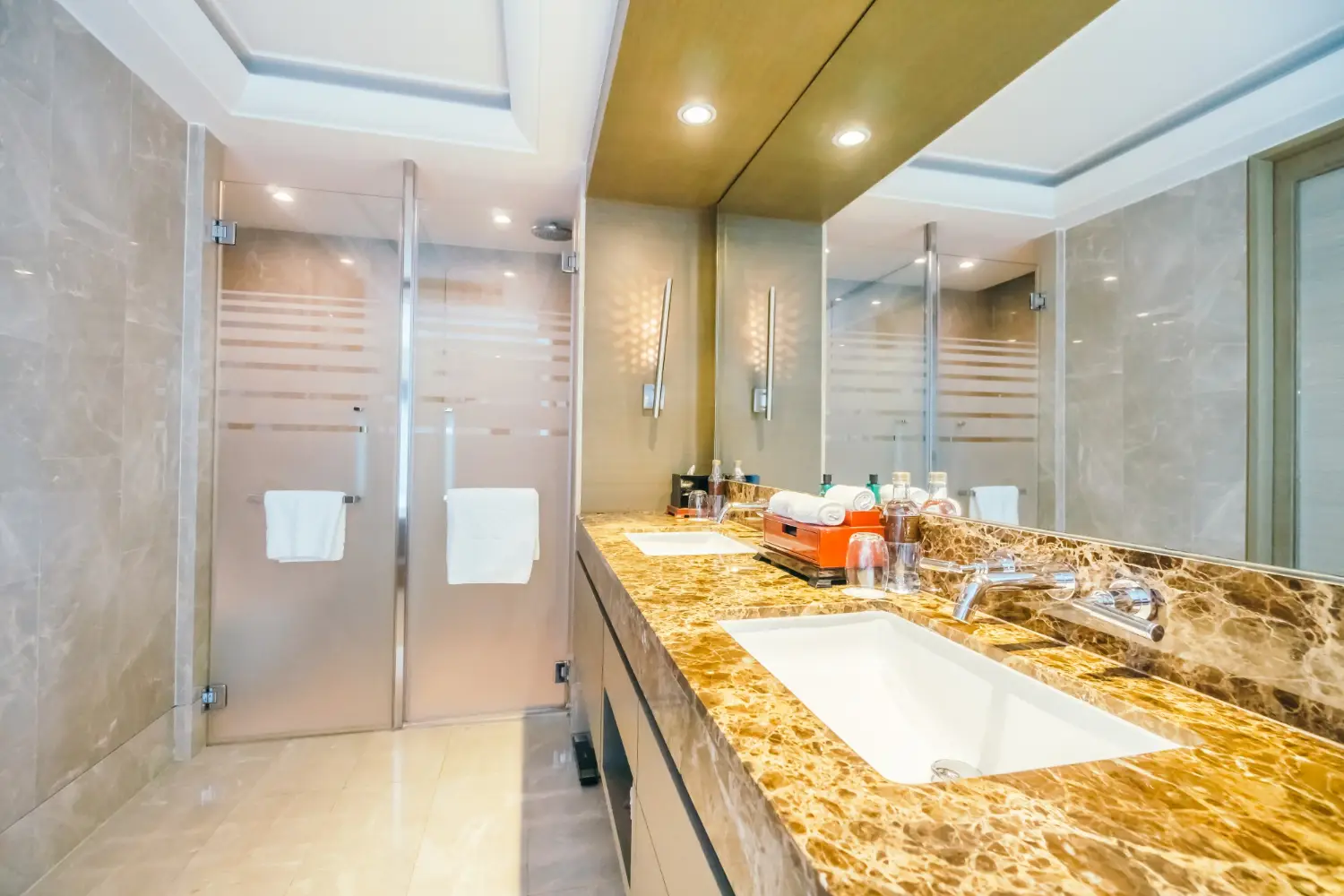
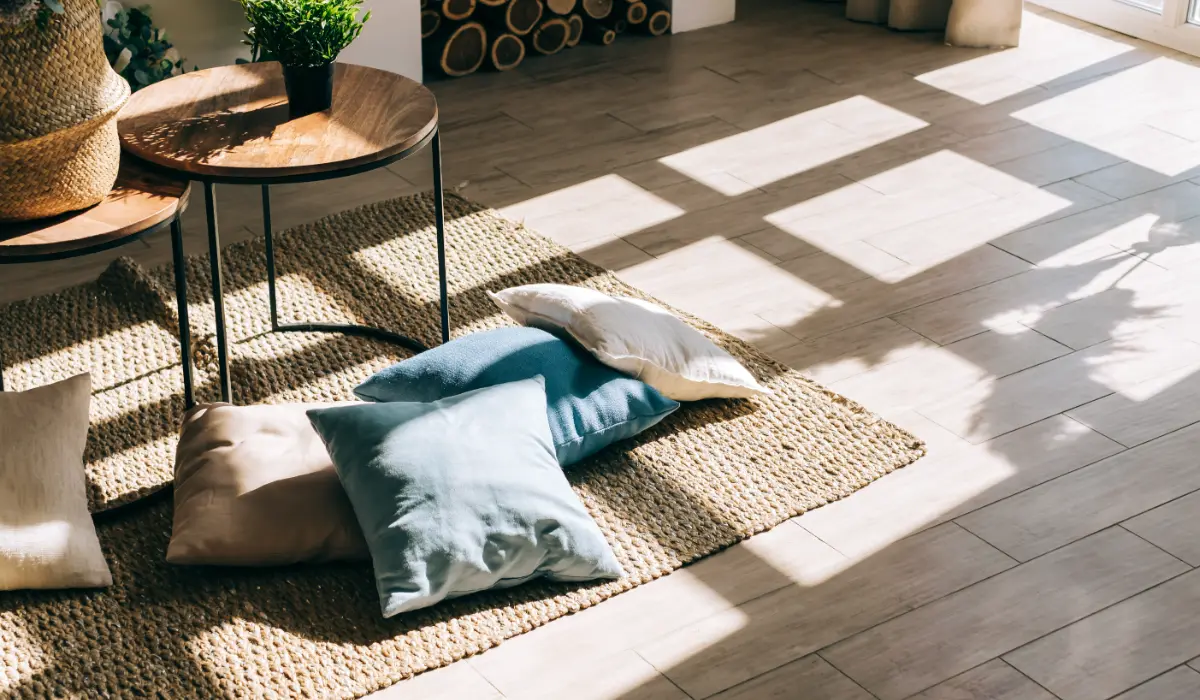
Moving away from stark minimalism, there’s a growing preference for interiors that reflect personal style through rich textures and bold colors. Homeowners are layering patterns, incorporating handcrafted textiles, and choosing hues that evoke emotion and warmth. This approach creates spaces that are not only aesthetically pleasing but also deeply personal and comforting. David Weekley Homes offers a variety of design options, allowing homeowners to personalize their spaces to reflect their unique tastes. Textural diversity is now found in everything from feature walls clad in reclaimed wood to plush area rugs and tactile upholstery. Statement wallpapers and artisan tiles are being used to provide visual interest and customized touches in entryways, bathrooms, and kitchens. Layering with throw blankets, decorative pillows, and draperies in lush fabrics enables homeowners to update the feel of their rooms throughout the seasons. Additionally, color psychology is informing choices, with serene blues for relaxation areas, bold reds for social zones, and warm earth tones throughout to foster a sense of grounding and tranquility. These design moves, taken together, ensure a home feels as unique as its inhabitants.
Integration of Outdoor Living Spaces
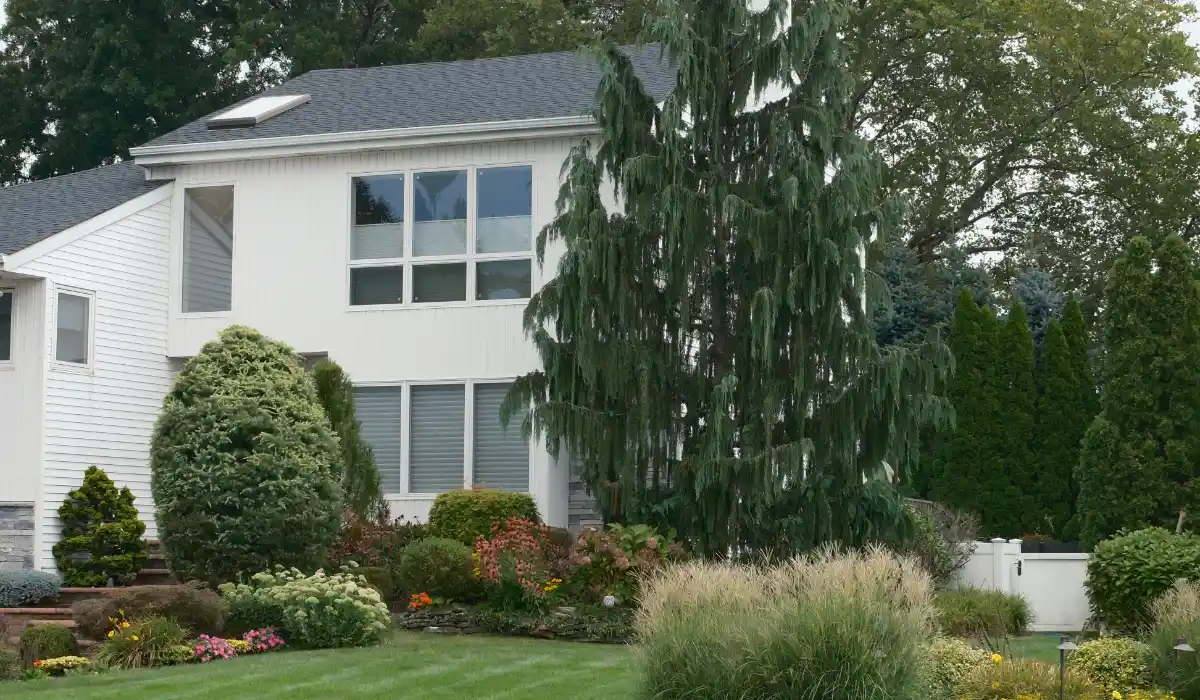
Outdoor areas are being transformed into functional extensions of the home. Patios, decks, and gardens are designed to be year-round living spaces, equipped with comfortable seating, cooking facilities, and even entertainment systems. This trend underscores the desire for a seamless indoor-outdoor lifestyle, enhancing both relaxation and social gatherings. Emory Crossing residents enjoy amenities such as a community swimming pool, splash pad, soccer field, playground, outdoor fitness area, and event pavilion, fostering an active, connected community life.
Designers are also focusing on sustainability in outdoor spaces, choosing native landscaping, drought-resistant plants, and permeable paving to reduce environmental impact. Fire pits, pergolas with retractable canopies, and built-in grilling stations are common additions that make outdoor spaces usable in various weather conditions. Connectivity is also key; many patios now feature Wi-Fi extenders, sound systems, and lighting that can be controlled via smart home apps, seamlessly merging indoor ease with the joys of the outdoors. As a result, the line between home’s interior comfort and nature’s tranquility continues to blur.
Seamless Smart Home Integration
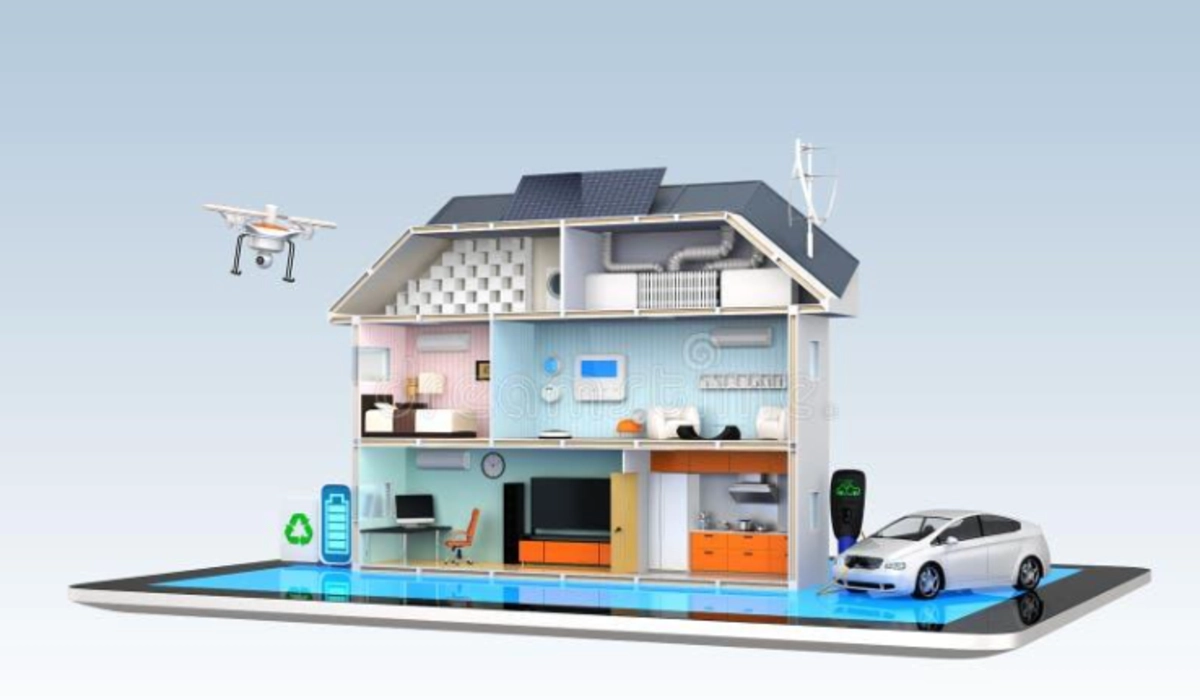
Technology continues to play a pivotal role in modern home design. Smart home systems are being integrated more seamlessly, enabling homeowners to control lighting, climate, security, and entertainment with ease. The focus is on creating intuitive systems that enhance daily life without overwhelming the user, ensuring technology serves as a helpful companion rather than a distraction. David Weekley Homes incorporates smart home features in their designs, providing residents with modern conveniences that align with contemporary living standards. Beyond the basics, innovations include touchless faucets, app-controlled irrigation, and whole-home voice activation. Home security solutions include remote monitoring, biometric locks, and smart doorbells, offering peace of mind for busy families. Energy efficiency is another cornerstone, with automated climate systems that adapt in real time to user preferences and local weather patterns, often resulting in significant utility savings. Smart home integration in new builds also considers futureproofing infrastructure, with extra wiring and expansion ports included for coming technology. As more residents demand a frictionless digital lifestyle, the harmony and efficiency found through such systems set a new bar for suburban convenience and luxury.
Conclusion
The landscape of suburban home design is steadily shifting toward more personalized, efficient, and connected living spaces that better reflect how people live today. Homeowners are prioritizing flexibility in floor plans, integrating smart home systems for lighting, security, and energy management, and choosing materials that balance durability with sustainability. This evolution allows homes to adapt to remote work, family needs, and long-term lifestyle changes without sacrificing comfort or style. At the same time, there is a renewed appreciation for blending modern innovation with timeless design elements, such as natural textures, warm color palettes, and functional yet inviting layouts. Outdoor spaces are also being reimagined as essential extensions of the home, supporting relaxation and social connection. By embracing these trends, suburban homeowners can build environments that are not only visually appealing but also practical, future-ready, and deeply aligned with their personal values and everyday routines.