
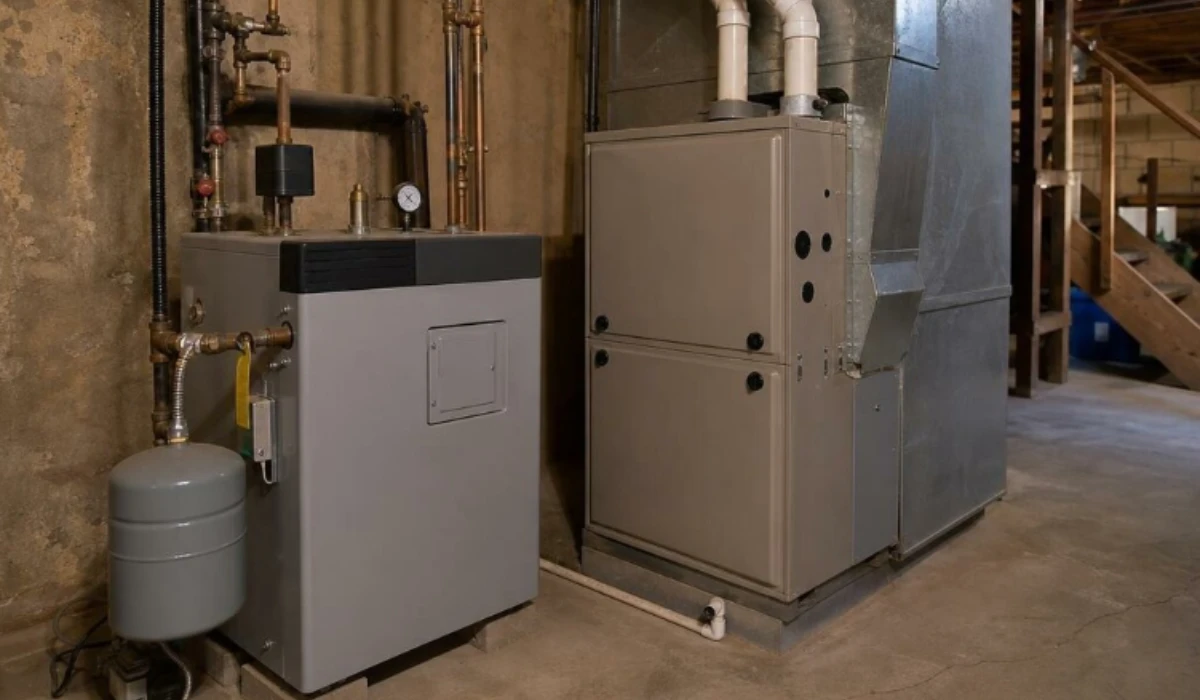
Older homes across the Twin Cities often come with a choice already made: a boiler system or a forced air furnace in the basement. When that equipment fails, homeowners must decide whether to stick with what’s there or switch. The answer depends on the home’s age, layout, and how it was built to move heat. McQuillan Home Services LLC, based in St. Paul, has worked through this decision with homeowners across the region for years.
The Heating Decision That Trips Up St. Paul Homeowners Every Winter
When a boiler or furnace dies on a January night, contractors often ask: stay with a boiler or switch to forced air? For owners of older homes in Summit Hill, Crocus Hill, Dayton’s Bluff, and Cathedral Hill, that question is complicated. These pre-1970s houses were built around one specific heating system, and changing course is not a simple swap.
This is a structural and financial decision. A home built with cast-iron radiators and no ductwork has very different options than one already plumbed for forced air. Tearing out one system to install another means real construction work, real money, and real disruption.
No Universal Answer, But a Right Answer for Your Home
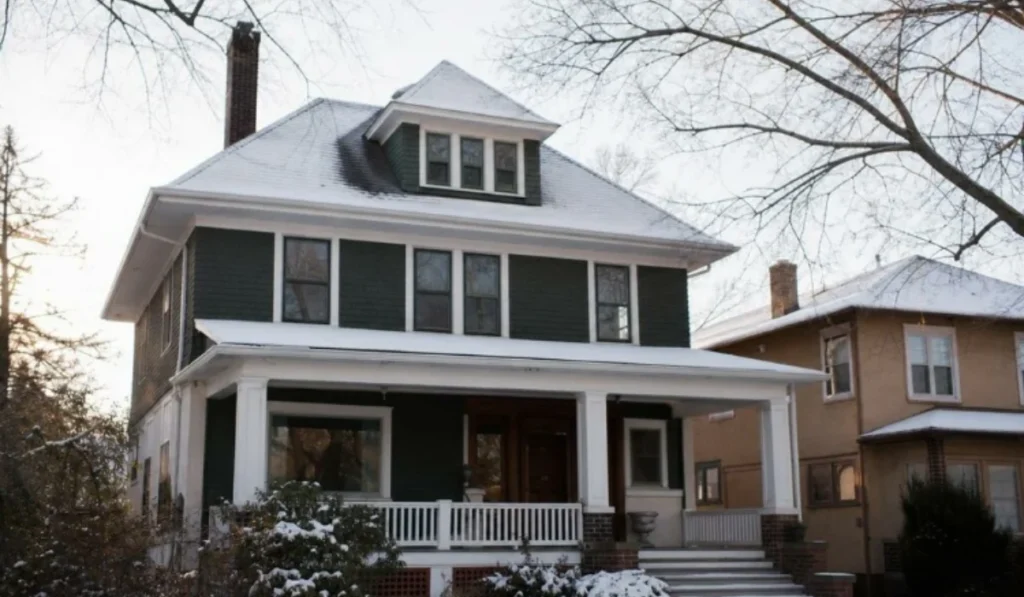
The right system depends on three factors: existing infrastructure, home size, and budget. A home with radiators and hot-water piping leans toward keeping a boiler; a house with intact ductwork makes forced air the practical path. Skipping a thorough assessment of those three factors is where homeowners get into trouble, which is why the heating system installation from McQuillan Home Services LLC process begins with an evaluation of all three before any recommendation is made.
How Each System Actually Works (In Plain Terms)
How a Boiler Heats Your Home
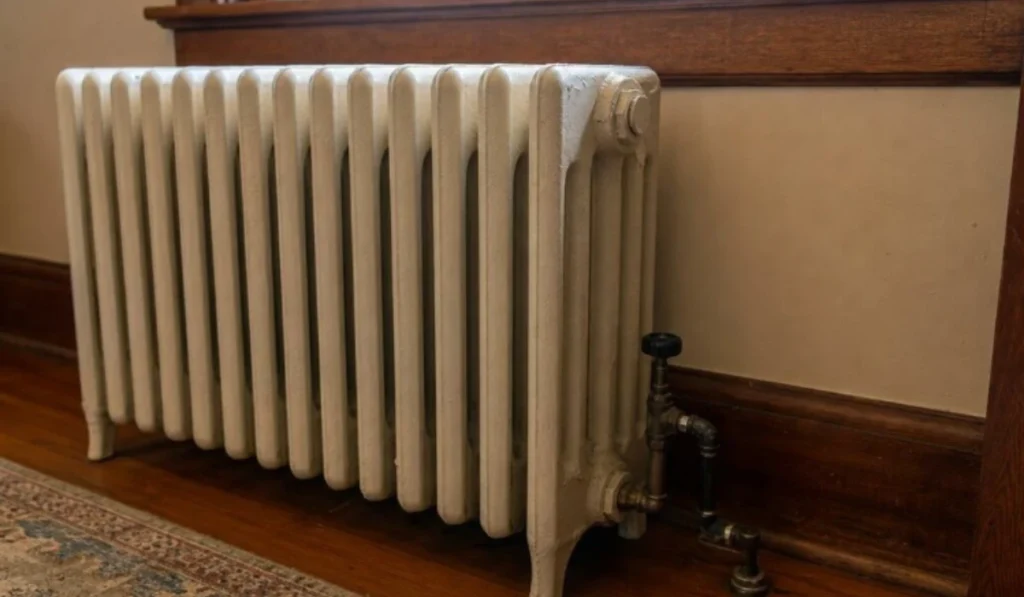
A boiler heats water and sends it through pipes to radiators, baseboard units, or in-floor tubing. Heat radiates outward from those surfaces, warming rooms gradually and evenly with no blower, no ductwork, and no air moving through vents.
Most St. Paul homeowners describe boiler heat as quieter and more consistent than forced air, warmth comes from walls and floors rather than a blast from a ceiling register, and humidity stays more stable through dry Minnesota winters. Most St. Paul homes built before 1960 were designed around steam or hot-water boilers; cast-iron radiators and existing pipe infrastructure are still common in Summit Hill and Cathedral Hill. A well-maintained boiler often lasts 20 to 30 years, considerably longer than a typical furnace. Gas-fired boilers are the practical default locally, as parts and service are widely available, keeping repairs faster and less expensive.
How a Forced Air Furnace Heats Your Home
A forced air furnace burns natural gas to heat air, then a blower pushes that air through ducts and out through registers. The system cycles on, heats the space quickly, then shuts off until the thermostat calls for heat again. One practical advantage: the same duct network carries cooled air in summer, making central air conditioning straightforward to add. Modern high-efficiency furnaces reach AFUE ratings of 90 to 98 percent, though a typical unit lasts only 15 to 20 years.
The problem for older homes is that ductwork installation is a major project. A pre-1960s St. Paul house built around a boiler has no ducts at all. Adding them means cutting through plaster walls, finished ceilings, and sometimes structural framing, commonly running $5,000 to $15,000 or more on top of the furnace itself. Any gas work also requires a city permit. For homes on the outer metro edges that already have ductwork, the math changes entirely; for original-plaster homes with no ducts, conversion costs deserve a hard look before any decision is made.
Boiler vs. Forced Air Furnace at a Glance
| Factor | Boiler | Forced Air Furnace |
| Upfront cost (with existing infrastructure) | Moderate | Moderate |
| Ductwork required | No | Yes |
| Air conditioning compatibility | Needs a separate system | Uses the same ducts |
| Heat consistency | Even, radiant, quiet | Fast, cyclical, some air movement |
| Typical lifespan | 20 to 30 years | 15 to 20 years |
| Conversion cost in a pre-1960s home | Low if pipes exist | $5,000 to $15,000+ for new ductwork |
Frequently Asked Questions
Is it worth converting my boiler system to forced air?
It depends on goals and budget. If central air conditioning is a priority and the home lacks ductwork, forced air can make sense, but conversion in a pre-1960s home often costs $5,000 to $15,000 or more for ductwork alone. If the boiler is sound, keeping it and adding a separate cooling system is often more cost-effective.
Which system lasts longer?
Boilers generally last 20 to 30 years with regular maintenance, while forced air furnaces typically last 15 to 20 years. Lifespan varies with usage and upkeep, but boilers tend to outlast furnaces in older Midwestern homes.
Do I need a permit to replace my heating system in St. Paul?
Yes. Gas appliance and ductwork changes require a permit. A licensed contractor pulls the permit and schedules the required inspection as part of the job. Confirm the permitting steps with the installer before work begins.
How do I know if my existing boiler or furnace is worth repairing versus replacing?
The standard industry guideline is the 50 percent rule: if the repair estimate exceeds half the installed cost of a comparable new system and the equipment is more than 15 years old, replacement typically offers better long-term value. A technician can assess the current system’s condition and provide a repair-versus-replace recommendation based on the specific unit and household needs.
About McQuillan Home Services LLC
McQuillan Home Services LLC is a St. Paul, Minnesota-based home services company providing HVAC, plumbing, and electrical work to homeowners across the Twin Cities metro. Licensed technicians are trained to service both boiler and forced air systems across older Midwestern homes where either system may be in place.