In the fast-paced, hyper-connected world of modern luxury, the definition of a sanctuary has evolved. The traditional approach to high-end design—often characterised by stark minimalism, high-gloss surfaces, and a somewhat “cold” aesthetic—is giving way to a more profound understanding of how our environment affects our psychological well-being. Today, the ultimate luxury is not just physical comfort, but emotional and mental wealth.
This shift has given rise to the “Sensory Interior,” an approach that leverages the psychology of space to create environments that actively nurture the mind and soothe the nervous system. Leading professionals, such as a Top Interior Designer in Miami, are at the forefront of this movement, crafting homes that engage all the senses to promote profound well-being. Here is an exploration of how sensory design is replacing cold luxury and redefining the modern Miami estate.
1. Colour Psychology: Designing for Focus and Decompression
Colour is one of the most powerful tools in a designer’s arsenal, capable of instantly altering mood and cognitive function. In the sensory interior, colour is applied strategically to support the specific activities intended for each space.
The “Power Suite”
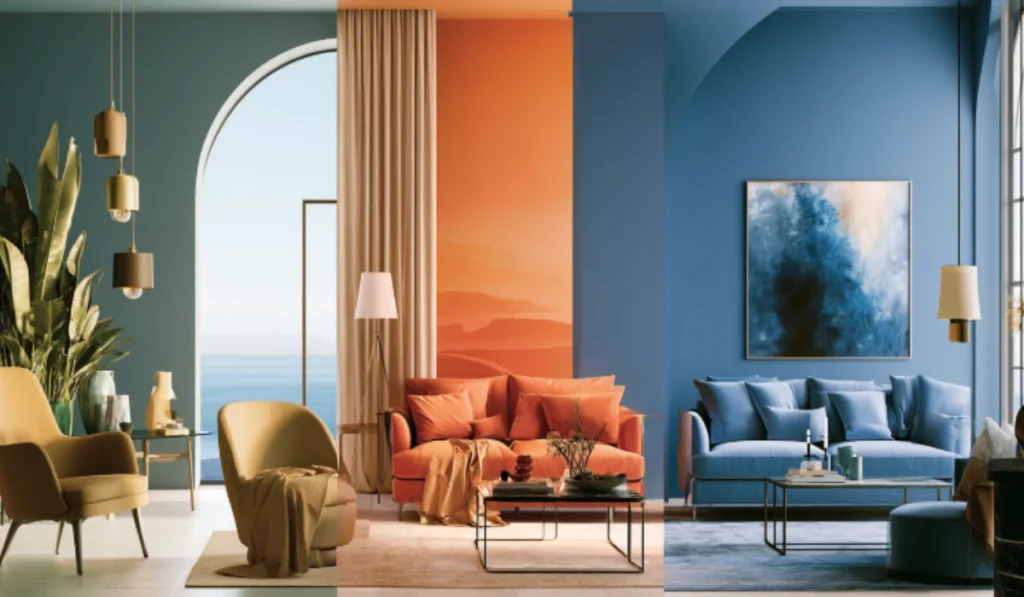
For home offices or executive studies, designers are creating “Power Suites” using deep, saturated hues. Colours like navy blue, forest green, or rich charcoal are known to promote focus, authority, and deep concentration. These darker tones reduce visual noise, allowing the mind to zero in on complex tasks without distraction.
The “Zen Wing”
Conversely, areas dedicated to relaxation and recovery—such as master bedrooms or wellness lounges—are designed as “Zen Wings.” Here, the palette shifts to soft, desaturated tones: warm sand, sage green, or dusty rose. These colours mimic the natural world, lowering the heart rate and signalling to the brain that it is time to decompress and restore.
2. The Allure of Matte: Replacing High-Gloss Finishes
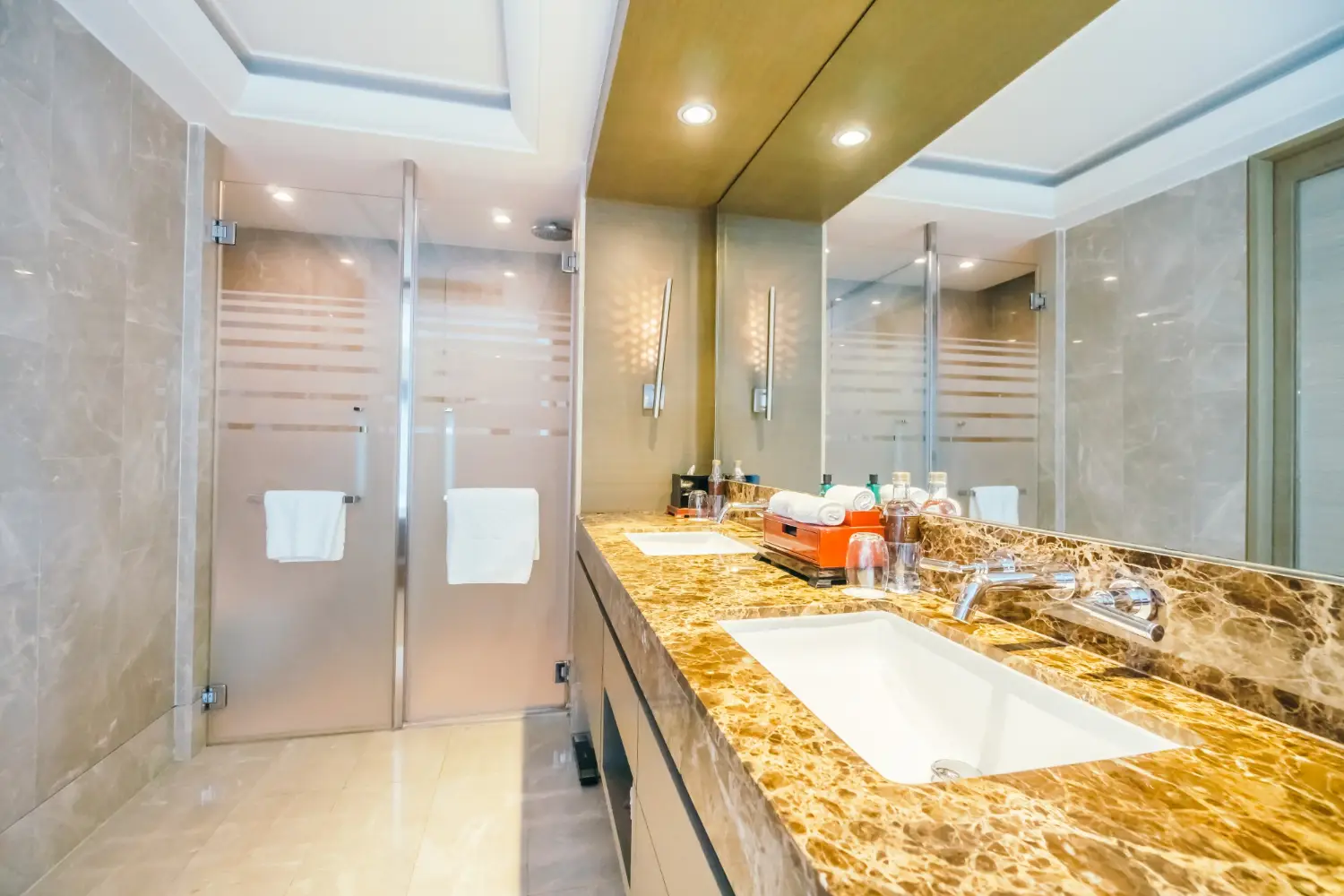
For years, high-gloss finishes—polished marble, lacquered cabinetry, and mirrored surfaces—were the hallmarks of Miami luxury. However, these highly reflective surfaces can create a visually “loud” environment, contributing to sensory fatigue.
The Shift to Soft-Touch
The modern sensory interior embraces the allure of matte. Designers are opting for honed or leathered stone, matte-finish cabinetry, and brushed metals. These soft-touch surfaces absorb light rather than reflecting it, creating a softer, more diffused ambiance.
Visual Quiet
This shift towards matte finishes provides a sense of “visual quiet.” It reduces glare and creates a more grounded, earthy feel, allowing the eye to rest and the mind to settle. The result is an environment that feels inherently more calming and sophisticated.
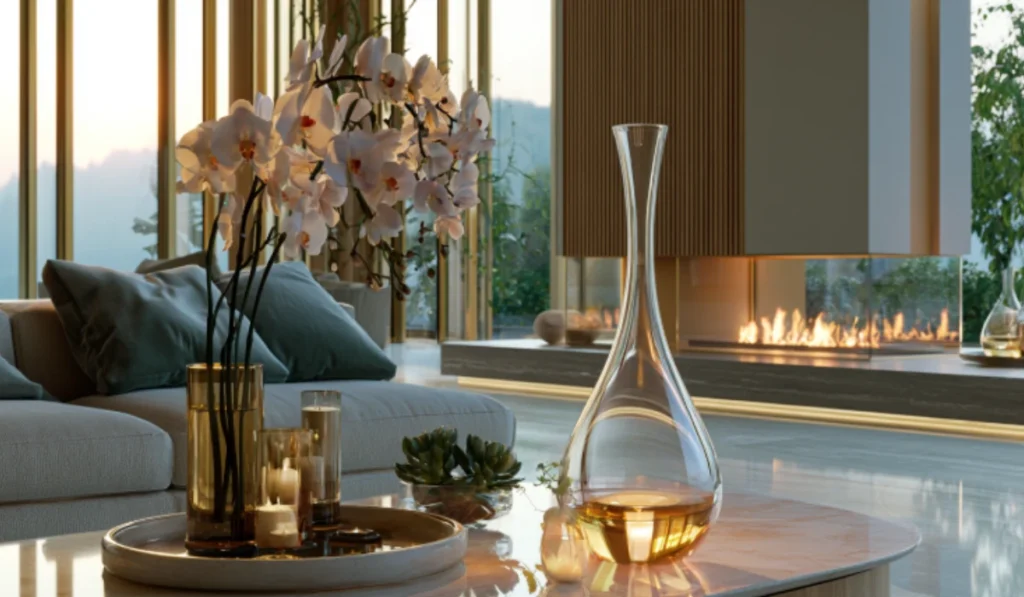
3. Integrated Olfactory Systems: Defining the Home’s Identity
Scent is the sense most closely linked to memory and emotion. In the pursuit of emotional wealth, the olfactory experience of a home is no longer left to chance or overpowering candles.
Invisible Scent Diffusion
High-end estates are now incorporating integrated, HVAC-based olfactory systems. These invisible diffusers disperse custom-blended, hypoallergenic fragrances evenly throughout the home. The scent is subtle, consistent, and entirely bespoke.
The Scent of Sanctuary
A homeowner might choose a crisp, invigorating citrus blend for the morning hours to promote energy, shifting to a warm, grounding sandalwood and amber blend in the evening to encourage relaxation. This deliberate use of scent helps to define the home’s identity and creates an immediate, subconscious feeling of comfort and safety upon entering.
4. The “Tactile Shift”: Raw-but-Refined Textures
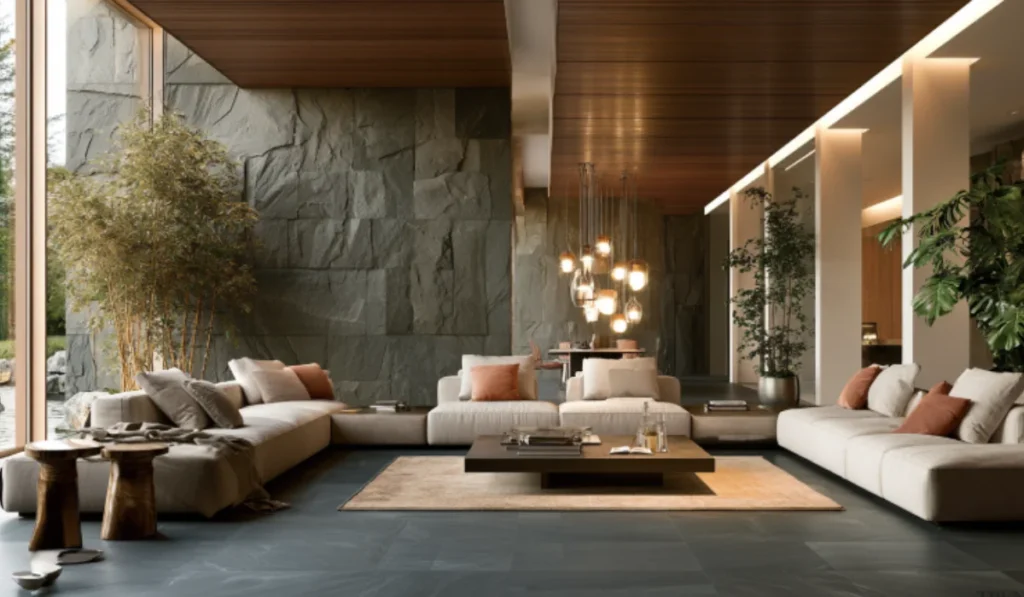
As our daily lives become increasingly digital and screen-focused, there is a growing psychological need for physical, tactile engagement with our environment. High-end clients are moving away from perfectly smooth, synthetic materials in favour of textures that offer emotional comfort.
The Craving for Texture
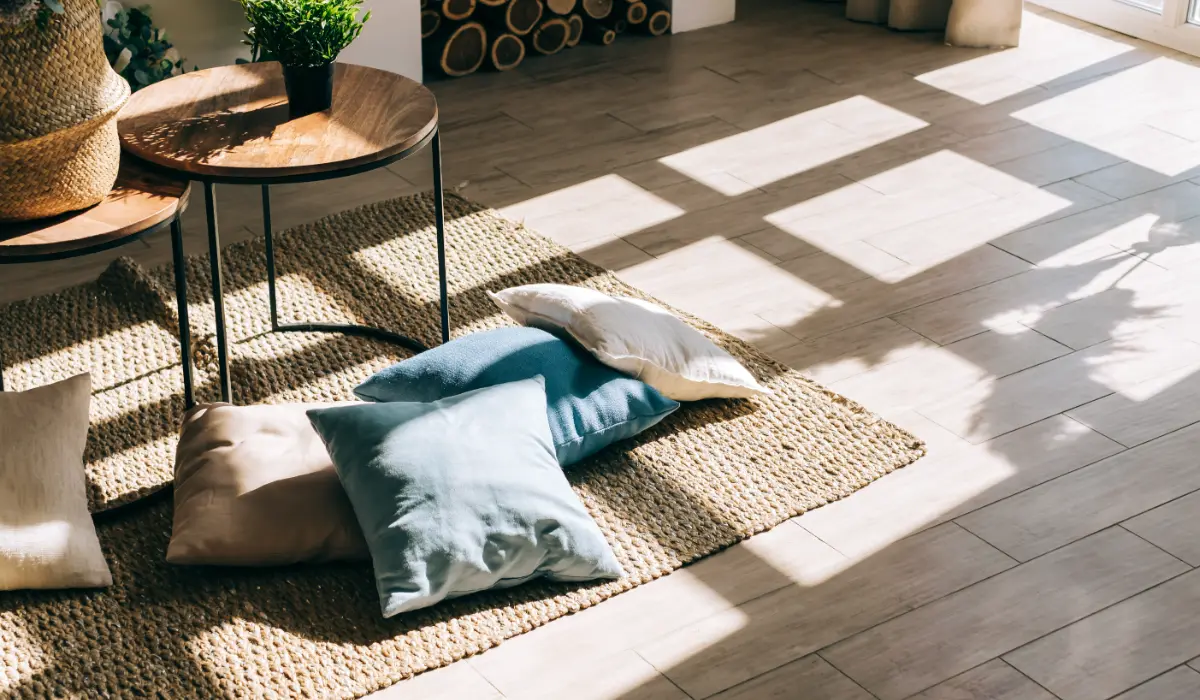
This “Tactile Shift” involves the use of raw-but-refined materials: heavily textured bouclé fabrics, open-grain woods, hand-trowelled plaster walls, and woven natural fibres. These materials invite touch and provide a grounding, sensory experience that screens cannot replicate.
Emotional Comfort
The physical act of running a hand over a deeply textured linen sofa or a piece of reclaimed wood provides a subtle, grounding connection to the physical world. This tactile engagement is a crucial component of sensory design, offering a profound sense of emotional comfort and authenticity.
5. Balancing the View: Designing for “The Reveal”
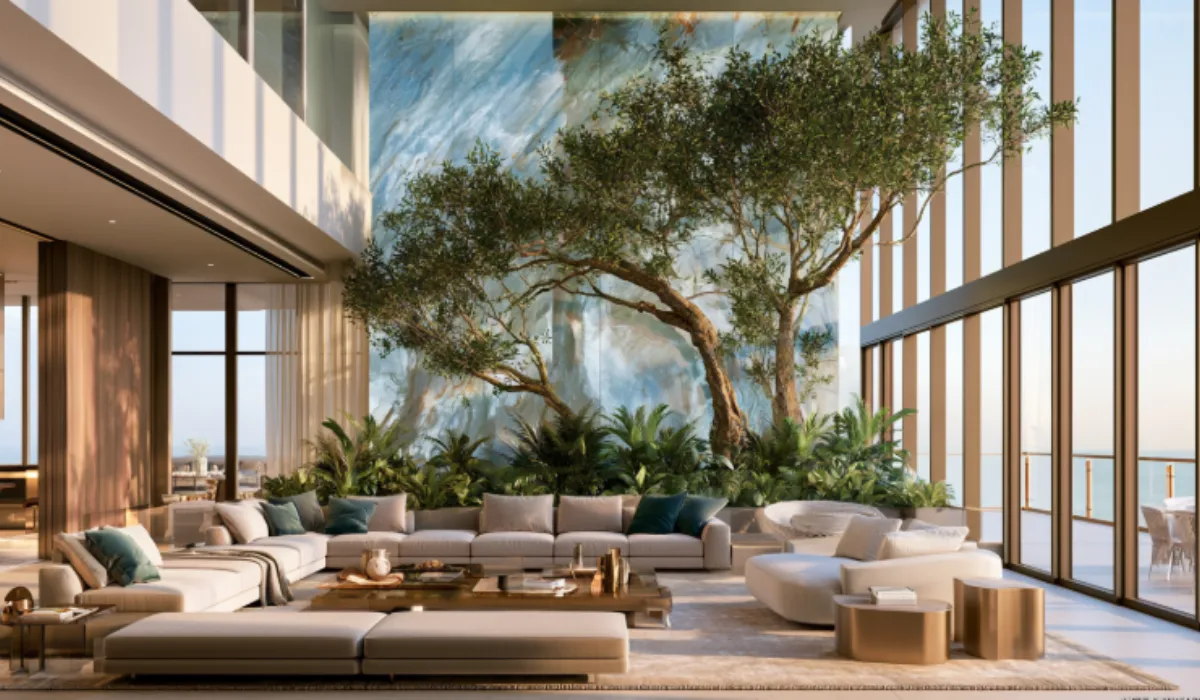
In Miami, the view—often a vast, sweeping expanse of the Atlantic Ocean or Biscayne Bay—is a primary architectural feature. However, constantly being exposed to such an overwhelming vista can sometimes feel exposing or visually exhausting.
The Concept of “The Reveal”
Sensory design addresses this by carefully choreographing how the view is experienced. Instead of open-plan spaces that immediately expose the entire panorama, designers use architectural elements to create a sense of compression and release—a concept known as “The Reveal.”
Transitioning from Cosy to Vast
A home might feature a cosy, dimly lit, and highly textured entryway or library that feels intimate and protective. From this compressed space, one transitions into the main living area, where the architecture suddenly opens up to reveal the vast ocean vista. This deliberate contrast heightens the emotional impact of the view while ensuring that the home still provides intimate, protective spaces for retreat and introspection.
The Sensory Interior represents a profound evolution in luxury design. By moving away from cold, ostentatious displays of wealth and focusing instead on the psychology of space, designers are creating environments that actively nurture the mind and body. Through the strategic use of colour, matte finishes, integrated scent, tactile materials, and choreographed views, the modern Miami estate is being transformed into a true sanctuary for emotional and mental wealth.