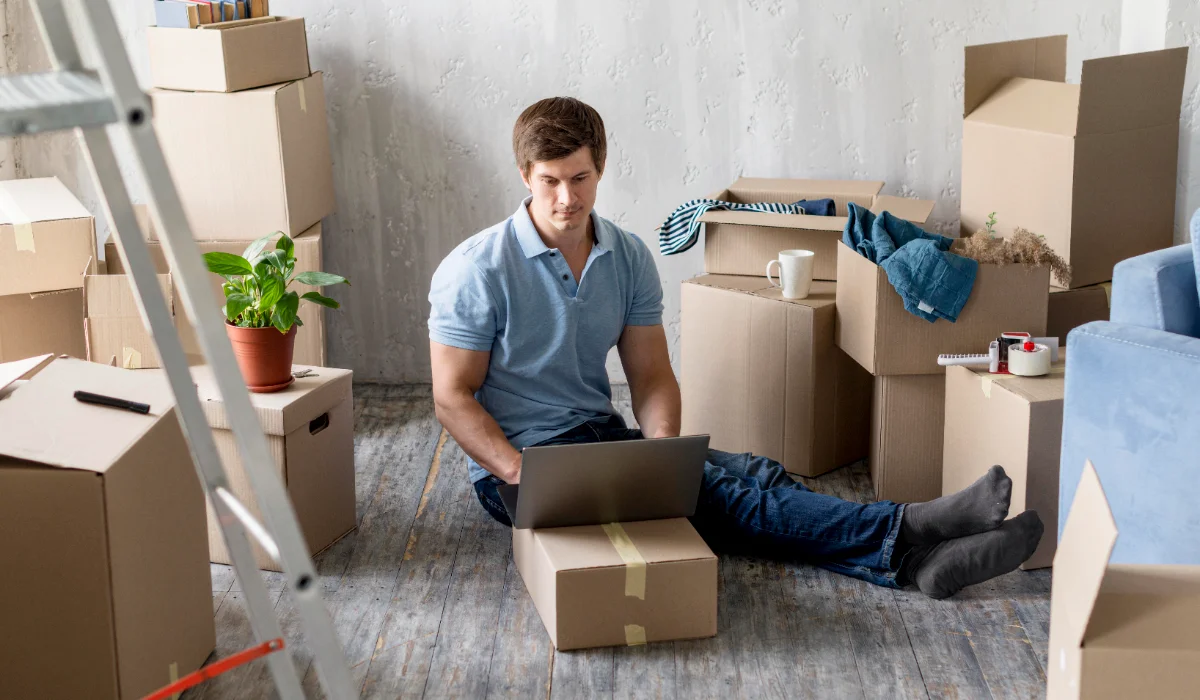

People think moving stress looks like cardboard boxes. And yes, boxes are annoying. So is carrying a mattress, wrapping dishes, and finding out the tape has vanished for the third time. But the hardest part of moving is often quieter than that.
It is the strange feeling of not having a normal day for a while. Your kitchen is half packed. Your clothes are in bags. Your sleep feels off. You are waiting on keys, paperwork, movers, utilities, and ten small decisions that somehow all feel urgent.
That is why working with West Hollywood movers can help with the physical side, but the emotional side still needs its own kind of planning.
Moving Disrupts Everyday Routine
A normal routine gives the day shape.
Moving takes that shape apart.
Meals become random. Sleep gets shorter. The coffee maker is packed too early. The bathroom counter disappears into a box. The home starts feeling less like a place to rest and more like a storage unit with a front door.
That disruption matters.
The CDC notes that stress can affect sleep, appetite, and energy levels, which makes sense during a move because all three usually get knocked around at once.
You may notice it in small ways:
- Eating whatever is easiest
- Staying up too late packing
- Losing track of basic items
- Feeling irritated by tiny problems
- Having no quiet corner left to sit in
Packing is physical. Routine disruption is emotional. That is why even an organized move can still feel strangely draining.
Uncertainty Creates Most of the Anxiety
Uncertainty is one of the biggest moving stress causes.
- Not knowing exactly when the keys will be ready.
- Not knowing if the truck can park close enough.
- Not knowing if the internet will be set up on time.
- Not knowing which box has the charger, the lease paperwork, or the one pan you still need.
The American Psychological Association explains that uncertainty can increase stress because people tend to worry more when they cannot predict or control what comes next.
That is basically moving in one sentence.
You are trying to keep life running while half of it is sealed in boxes and the other half depends on schedules you do not fully control.
A clear plan helps because it gives the brain fewer loose ends to chase. Confirm times. Write down access details. Keep documents together. Put essentials in one place.
Not because preparation makes moving peaceful.
Because it makes the unknown smaller.
Decision Fatigue Builds Up Quickly
Moving forces hundreds of tiny decisions.
- Keep this?
- Donate it?
- Sell it?
- Pack it now?
- Will it fit?
- Which room should it go in?
- Do we need this immediately?
At first, these choices seem harmless. By the end of the day, they start to feel like personal attacks.
That is decision fatigue.
It shows up when people begin tossing random items into boxes just to stop thinking. A kitchen box gets mixed with office supplies. Shoes end up beside candles. The label says “misc,” which means future-you will suffer.
This is where relocation adjustment tips need to start before the move.
Make decisions early when your brain still works.
Sort donations before packing week. Decide what furniture is staying. Create a basic room plan. Choose the first-night essentials. The fewer decisions left for moving day, the better everyone behaves.
Especially after 6 p.m.
Leaving Familiar Spaces Is Emotionally Difficult
Moving out of a place can feel strange, even when you are ready to go.
You may not love the apartment anymore. The kitchen may be too small. The stairs may be annoying. The parking may have been a daily battle.
Still, it was yours.
You knew the sound of the hallway. You knew which window got the best light. You knew where the grocery store was, which neighbor always held the door, and which drawer collected every random object in the house.
- Leaving familiar spaces can hit people later than expected.
- Sometimes it happens when the rooms are empty.
- Sometimes it happens when you lock the door.
- Sometimes it happens two weeks later, when the new place still does not feel like home.
- That does not mean the move was wrong. It means transition has weight.
Settling In Takes Longer Than Expected
People often think the move ends when the boxes arrive.
It does not.
The new home takes time to become familiar. For a while, everything asks for extra attention. Where are the mugs? Which light switch works? Why does this room feel loud? Where should the towels go? Why does bedtime feel weird here?
Even small routines need rebuilding.
Delayed unpacking can make that feeling last longer. So can missing furniture, late deliveries, or half-finished rooms. The home may be functional, but your brain still has not mapped it yet.
Start with the rooms that restore daily life fastest:
- Bedroom
- Bathroom
- Kitchen basics
- Work area
- Entryway
Do not unpack by guilt. Unpack by usefulness.
A new home feels calmer once the basics work again. You can decorate later. First, make it possible to sleep, shower, eat, work, and find your keys without muttering.
Final Thoughts
The hardest part of moving usually is not the packing. It is the uncertainty, the broken routine, the constant decisions, and the odd emotional feeling of being between two versions of home. Preparation helps. Clear schedules help. Good movers help. But some stress is simply part of relocation.
That does not make you disorganized. It makes you human.