Energy efficiency has become a much bigger focus for homeowners over recent years, and it is easy to see why. Rising household costs, growing awareness around sustainability, and the general push towards smarter living have encouraged more people to think carefully about how their homes use energy.
The good news is that improving efficiency does not always require major renovations or expensive technology. In many cases, smaller changes around the home can make a noticeable difference to comfort levels and running costs over time.
Whether you live in a newer property or an older family home full of character, there are plenty of practical ways to make everyday living more efficient without completely changing how your home looks or feels.
Small Changes That Can Reduce Household Energy Use
Some of the most effective improvements are also the simplest. Everyday habits and small upgrades can help reduce unnecessary energy use while making homes feel more comfortable year-round.
Switching to LED lighting is one of the easiest starting points. LED bulbs use far less energy than traditional options and typically last much longer, making them a practical choice for busy households.
Draught-proofing doors and windows can also have a noticeable effect, particularly in older homes. Even small gaps around frames or under doors allow warm air to escape during colder months, forcing heating systems to work harder.
Smart thermostats have become increasingly popular as well. They allow homeowners to control heating more efficiently and avoid wasting energy when nobody is home. Simple changes such as lowering the thermostat slightly or adjusting heating schedules can help reduce household bills over time.
Appliances also play a part. Using washing machines and dishwashers on eco settings, turning devices off instead of leaving them on standby, and choosing energy-efficient products when replacing appliances can all contribute towards lower energy use.
These changes may seem small individually, but together they can have a significant effect.
Understanding How Efficient Your Home Really Is
Many homeowners make improvements without fully understanding how efficient their property already is. This is where professional assessments can be useful.
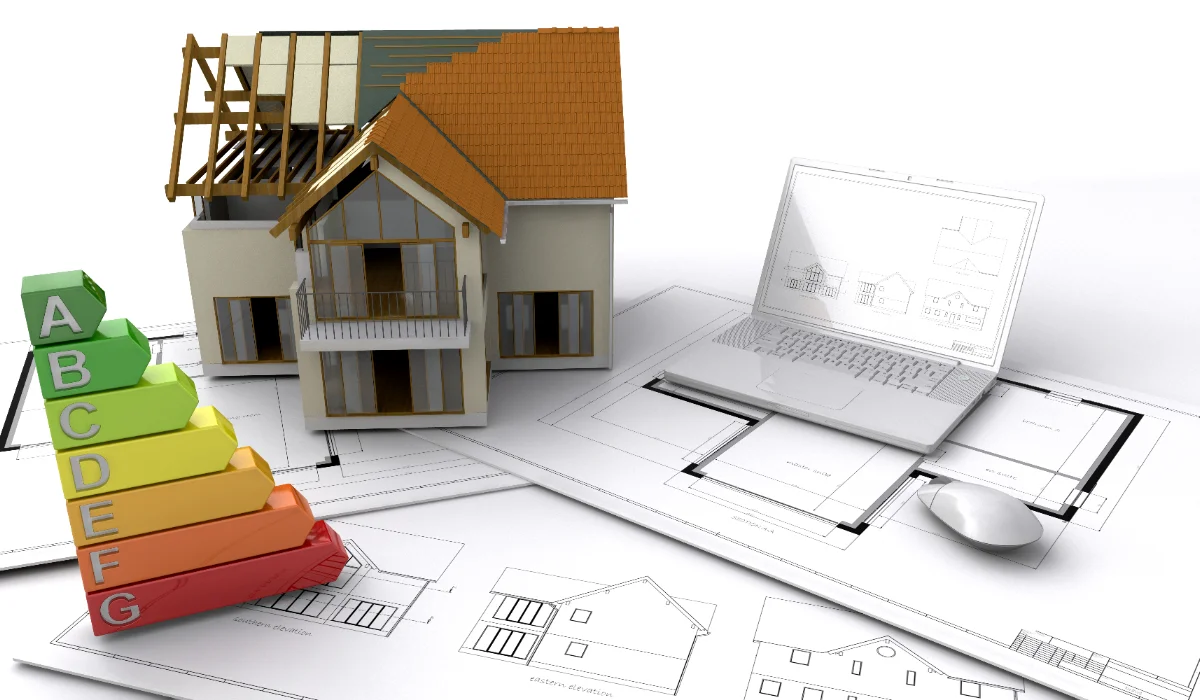
An energy performance certificate assessment helps provide a clearer picture of how a property uses energy and where improvements could potentially be made. It gives homeowners practical information about insulation, heating efficiency, and overall property performance.
For people planning renovations or preparing to sell a property, having a better understanding of energy efficiency can be particularly valuable. It highlights areas where upgrades may improve comfort while potentially reducing long-term running costs.
Assessments can also help homeowners prioritise improvements rather than guessing where to start. Instead of replacing features unnecessarily, they can focus on areas likely to have the biggest effect.
As energy standards continue evolving, many homeowners are becoming more interested in understanding how future-ready their property may be.
Improving Comfort While Lowering Costs
Energy efficiency is not only about reducing bills. It also has a major impact on how comfortable a home feels throughout the year.
Insulation plays a huge role here. Well-insulated lofts, walls, and floors help homes retain warmth during winter while keeping rooms cooler in warmer weather. Good insulation can also reduce draughts and create more consistent indoor temperatures.
Windows matter too. Double glazing helps improve heat retention and can make rooms feel quieter and more comfortable overall. Heavy curtains and thermal blinds can provide additional insulation during colder months as well.
Heating systems are another area worth considering. Older boilers may use more energy than modern alternatives, while poorly maintained systems can struggle to heat homes efficiently. Regular servicing helps heating systems run more effectively and may prevent avoidable issues later on.
Simple habits also make a difference. Closing doors to retain heat, using timers effectively, and avoiding overheating rooms can all contribute towards better energy efficiency without affecting comfort.
Preparing Your Property for the Future
As sustainability becomes a bigger consideration in homeownership, energy efficiency is increasingly linked to long-term property value and appeal.
Many buyers now pay closer attention to running costs and energy ratings when viewing properties. Homes that feel warm, efficient, and economical to run are often more attractive than those requiring significant upgrades.
Future-focused improvements such as better insulation, efficient heating systems, and smart technology can also help properties adapt to changing energy expectations over time.
The positive side is that homeowners do not need to tackle everything at once. Gradual improvements often work best, allowing people to make practical updates that suit both their budget and lifestyle.
Creating a more energy-efficient home is ultimately about making everyday living more comfortable, cost-effective, and sustainable. Small steps taken now can bring long-term benefits while helping homes feel better equipped for the future.