
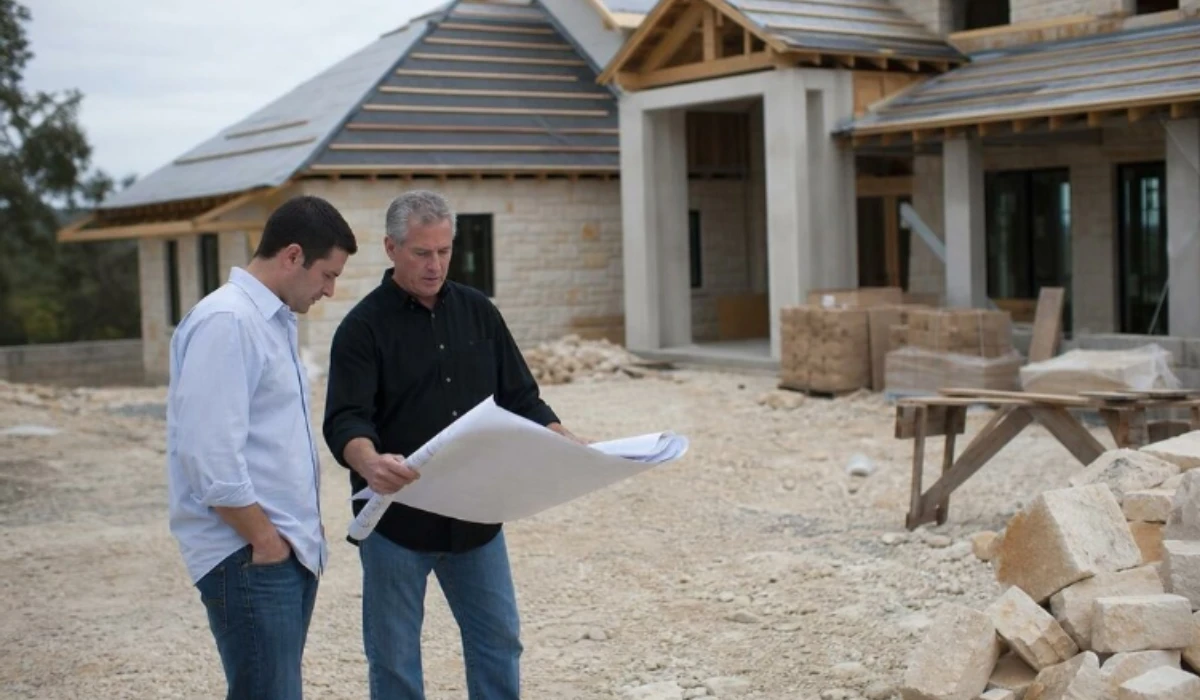
Building a custom home in Austin is one of the largest financial commitments most people will ever make. The design-build model promises a simpler path, but without the right firm, structural and budgetary pitfalls can derail even carefully planned projects. Seven Custom Homes, founded in 2007 and recognized as Custom Builder of the Year in 2014, has spent nearly two decades helping clients across Greater Austin avoid those failures. This article examines where the design-build process most often breaks down and what separates firms that deliver from those that disappoint.
The Design-Build Approach Demands More Than Good Intentions
Seven Custom Homes has completed more than $500 million in luxury home construction across the Lake Travis corridor and greater Lakeway area. Its core methodology, the design-build process, unifies architectural design, interior design, and construction under one contract, eliminating the adversarial gap between designer and builder that routinely produces budget blowouts and scope drift in traditional design-bid-build sequences.
A unified structure is not a guarantee, however. Without disciplined execution, the same failure modes appear: timeline failures, scope drift, and budget overruns. Texas Hill Country compounds these risks, caliche-heavy soils require precise foundation engineering, wildfire codes restrict exterior materials, and the luxury market along Lake Travis has tightened labor and materials since 2020. This article identifies the most consequential pitfalls and explains how Seven Custom Homes’ design and build process addresses each one.
Pitfall 1: Treating Design and Construction as Sequential, Not Integrated
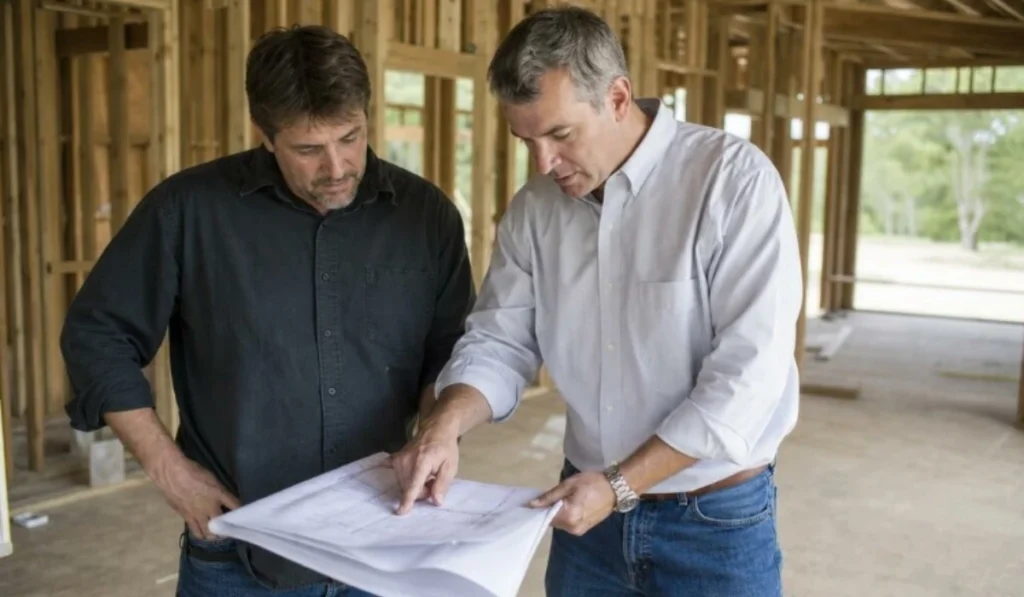
The traditional design-bid-build model has the architect produce a complete drawing set before the contractor enters. That sequence feels orderly but is one of the most reliable paths to budget blowouts and timeline failures in luxury home construction.
Why Siloed Teams Produce Costly Surprises
A structural engineer sizes a steel moment frame for an open-concept great room while the interior design team develops a ceiling coffer detail that conflicts with that frame’s placement. Neither team sees the other’s drawings until the permit set is issued, requiring a structural revision, a fabricator’s change order, and weeks of delay.
Long-lead materials make late-stage changes especially punishing. Fleetwood multi-slide door systems, Andersen architectural windows, and custom cabinetry carry 14-to-20-week lead times with order cutoffs that precede installation by months. A design change after those orders are placed means a fabrication restart, not a substitution.
Hill Country sites add further complexity. Sloped lots in West Lake Hills and Bee Cave require retaining wall engineering coordinated with landscape and drainage plans from day one. Lakeway and Spicewood properties near Lake Travis face LCRA setback and impervious cover rules that directly shape building footprint decisions. If the builder is absent when those decisions are made, drawings frequently need revision after permit submission.
How True Integration Works in Practice
A unified delivery model places architects, builders, and interior designers in the same room from day one. Structural decisions and finish selections are evaluated against each other before any drawing goes to permit or any order is placed, catching conflicts at the sketch stage, never at the fabricator.
Seven Custom Homes’ design and build process runs on AI-powered project management software that gives this collaboration a specific operational mechanism. When a design change is proposed, the software evaluates it against the current budget and critical-path schedule in real time, allowing a project manager to see within hours whether a revised specification affects a material order deadline or subcontractor sequence.
Why Seven Custom Homes Navigates These Pitfalls Successfully
David Lyne founded Seven Custom Homes in 2007, giving the firm nearly two decades of experience across Austin and the Texas Hill Country through multiple market cycles, spanning steep limestone sites, lakefront foundations, custom estate development, and smart home integrations.
The award record reflects peer recognition: the 2014 Custom Builder of the Year, the 2014 MAX Award, the 2014 Home of Distinction, and Parade of Homes recognition in 2008, 2010, 2014, and 2015. Client reviews consistently cite organization, transparency, and quality, producing a 5.0 average across 17 reviews. The firm’s office at 312 Medical Parkway, Bldg B, Lakeway, TX 78738 serves the Lake Travis corridor, with proximity to Georgetown, Bee Cave, West Lake Hills, Dripping Springs, and Horseshoe Bay.
Frequently Asked Questions
How Long Does the Design-Build Process Typically Take for a Custom Home in Austin?
Most custom home projects in Austin range from 12 to 24 months depending on lot complexity, square footage, and permitting timelines. Seven Custom Homes provides a detailed project schedule during pre-construction so expectations are set before a single permit is filed. Soil conditions, utility connections, and Hill Country terrain can add weeks to certain phases.
Is It More Expensive to Use a Design-Build Firm Than to Hire a Separate Architect and General Contractor?
The upfront fee structure can look similar, but design-build clients often spend less overall because coordination errors between separate professionals are a leading source of change orders and overruns. When one team controls both design and construction, decisions are priced in real time rather than discovered after construction documents are finalized. Seven Custom Homes builds cost feedback into every design milestone, reducing the gap between what is drawn and what is affordable to build.
Can I Make Design Changes After Construction Has Started?
Changes made after framing begins are almost always more expensive than changes made during design. Most firms charge formal change order fees covering labor and materials, and some changes require updated permits that can pause work. Seven Custom Homes encourages clients to front-load decisions during design so that mid-build surprises are the exception rather than the rule.
What Happens If My Budget and My Design Vision Do Not Align?
This is one of the most common friction points in custom home building, best resolved before design documents are complete. A good design-build partner identifies scope items driving cost and offers alternatives that preserve the feel of a space. Seven Custom Homes uses real construction cost data throughout design to catch misalignments early, when adjustments are still practical and inexpensive.
Do I Need to Own a Lot Before Contacting Seven Custom Homes?
No, and in many cases it is better to involve Seven Custom Homes before purchasing land. Lot characteristics like slope, flood zone designation, setback requirements, and utility access all affect design possibilities and construction costs. Reviewing a potential lot before closing can prevent buyers from purchasing a parcel that is far more expensive to build on than the listing price suggested.
How Does Seven Custom Homes Handle Subcontractors Compared to a Typical General Contractor?
Many general contractors rely on open bidding for each project, meaning subcontractor quality can vary from home to home. Seven Custom Homes maintains established relationships with vetted trade partners whose workmanship and scheduling reliability are already proven, reducing quality inconsistencies and keeping timelines tighter.
What Should I Expect at a Final Walkthrough Before Taking Possession of My Home?
A final walkthrough, sometimes called a punch list inspection, is the structured review where remaining finish items, cosmetic corrections, and mechanical confirmations are documented before keys are handed over. Clients should expect to spend two to four hours going room by room with a project manager. Seven Custom Homes completes punch list items before closing rather than asking clients to move in and wait.
About Seven Custom Homes
Seven Custom Homes is a luxury residential construction firm based in Lakeway, Texas, serving the Lake Travis corridor, Texas Hill Country, and the broader Greater Austin region. Founded in 2007 by David Lyne, the firm specializes in architectural design, interior design, energy-efficient building, and custom estate development. Its award record includes the 2014 Custom Builder of the Year and multiple Parade of Homes recognitions.