
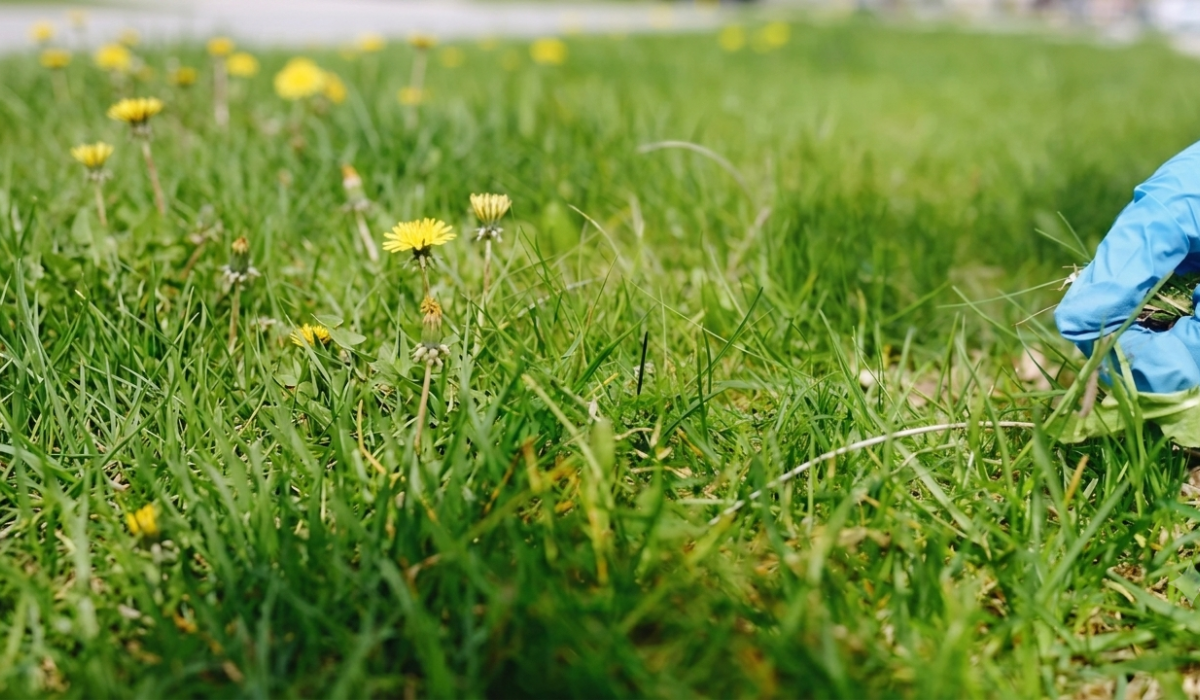
A healthy, green lawn is one of the best ways to improve your home’s street appeal, but weeds can quickly spoil its appearance. They compete with grass for water, nutrients, and sunlight, leaving your lawn looking patchy and unhealthy.
The good news is that you don’t have to sacrifice your grass to eliminate weeds. After talking with A View Turf, we found out more helpful info to help you with the right approach to remove unwanted plants while keeping your lawn thick, green, and healthy.
Why Weeds Take Over Lawns
Weeds usually appear when a lawn is under stress or has gaps where they can establish themselves.
Common reasons include:
- Thin or patchy grass
- Poor soil health
- Overwatering or underwatering
- Mowing too short
- Compacted soil
- Poor drainage
- Lack of fertiliser
- Excessive shade
A healthy lawn is your best defence against weeds.
Identify the Type of Weed
Different weeds require different treatment methods.
Broadleaf Weeds
These have wide leaves and are among the easiest weeds to control.
Examples include:
- Clover
- Bindii
- Dandelions
- Oxalis
- Creeping buttercup
Selective broadleaf herbicides are designed to target these weeds without harming most lawn varieties.
Grassy Weeds
Grassy weeds closely resemble lawn grass, making them more difficult to remove.
Common examples include:
- Winter grass (Poa annua)
- Crabgrass
- Crowsfoot grass
- Summer grass
Some grassy weeds require specialised herbicides or manual removal.
Sedge Weeds
Sedges thrive in damp areas and grow faster than most lawn grasses.
Nutgrass is one of the most common examples and often requires a dedicated sedge herbicide.
Remove Small Weeds by Hand
For isolated weeds, hand removal is often the simplest solution.
For best results:
- Pull weeds after rain or watering when the soil is soft.
- Remove the entire root system.
- Dispose of weeds rather than composting those with seeds.
This method works particularly well for young weeds before they spread.
Use a Selective Herbicide
Selective herbicides are designed to kill certain weeds while leaving your lawn largely unaffected.
Before applying any product:
- Identify your lawn variety.
- Confirm the herbicide is suitable for your grass type.
- Apply during active weed growth.
- Avoid spraying on windy days.
- Follow the manufacturer’s directions carefully.
Using the wrong herbicide can damage or kill your lawn, so always check the label first.
Improve Lawn Health
Many weed problems disappear once the lawn becomes stronger.
Healthy lawns naturally crowd out weeds by reducing the space available for new growth.
Focus on:
- Regular fertilising
- Deep but infrequent watering
- Correct mowing height
- Aerating compacted soil
- Repairing bare patches
The thicker your lawn becomes, the fewer opportunities weeds have to establish themselves.
Mow at the Right Height
Cutting grass too short weakens the lawn and allows sunlight to reach weed seeds.
Instead:
- Mow regularly.
- Never remove more than one-third of the leaf blade in a single cut.
- Keep mower blades sharp.
- Adjust mowing height according to your grass variety.
Longer, healthier grass helps shade the soil and suppress weed growth.
Water Properly
Frequent shallow watering encourages shallow roots in both grass and weeds.
Instead, water deeply and less often to encourage stronger root development.
This creates a more resilient lawn that can better compete with invasive weeds.
Repair Bare Areas
Open patches of soil provide the perfect opportunity for weeds to germinate.
Repair damaged sections by:
- Reseeding suitable lawn varieties.
- Laying new turf where needed.
- Improving soil before planting.
- Watering consistently during establishment.
A dense lawn leaves little room for weeds to grow.
Prevent Weeds Before They Appear
Prevention is often easier than treatment.
To reduce future weed problems:
- Fertilise regularly.
- Aerate compacted lawns.
- Control excess moisture.
- Remove weeds before they flower.
- Keep mower blades sharp.
- Avoid spreading weed seeds through contaminated soil or mulch.
Routine lawn care is one of the most effective forms of weed control.
Should You Use Natural Weed Killers?
Many homeowners try natural solutions such as vinegar or boiling water.
While these methods may kill weeds, they can also damage nearby grass and are generally only suitable for weeds growing in paths, driveways, or garden beds rather than established lawns.
For lawns, selective herbicides or manual removal are usually the safer option.
When Professional Weed Control Makes Sense
If weeds have spread throughout your lawn or continue returning despite your efforts, professional treatment may be the most effective solution.
A lawn care specialist can:
- Identify the exact weed species.
- Recommend the correct treatment.
- Improve soil health.
- Restore damaged lawn areas.
- Develop a long-term weed prevention plan.
Professional advice can save both time and money by addressing the underlying cause rather than simply treating the symptoms.
Keep Your Lawn Healthy Year-Round
The best way to keep weeds under control is to maintain a healthy lawn throughout the year.
Regular mowing, correct watering, seasonal fertilising, and prompt treatment of new weeds will help your grass remain thick and resilient.
With consistent care, your lawn will naturally outcompete most weeds, leaving you with a greener, healthier outdoor space.
Frequently Asked Questions
Will weed killer kill my grass?
Selective herbicides are formulated to target specific weeds while leaving compatible lawn grasses unharmed. Always check that the product is suitable for your grass type before use.
What’s the best time to treat lawn weeds?
Most weeds are easiest to control while they are actively growing and before they produce seeds. Spring and autumn are often ideal times for treatment, depending on the weed species.
Can weeds come back after treatment?
Yes. If the underlying lawn health issues aren’t addressed, new weeds may germinate from seeds already present in the soil.
Is pulling weeds by hand effective?
Yes, especially for isolated weeds. Removing the entire root system helps prevent regrowth and reduces seed production.
How do I stop weeds from returning?
Maintain a dense, healthy lawn through regular mowing, fertilising, proper watering, soil improvement, and early weed removal. A vigorous lawn naturally suppresses many common weeds.