As the construction industry evolves, innovative practices are revolutionizing how infrastructure projects are designed and executed. This transformation, fostered by forward-thinking firms such as Tutor Perini, is enhancing efficiency, sustainability, and resilience, paving the way for a new era in construction. Companies across the globe are rethinking traditional approaches to adapt to rapidly changing technologies and increased expectations for sustainable solutions.
Today’s construction landscape is defined by collaboration, technological advancement, and a dedication to green building methods. These developments empower project teams to deliver complex infrastructure more quickly and efficiently while also reducing environmental impacts. The convergence of innovation and sustainability is not only improving project outcomes but also shaping construction’s future.
As public and private stakeholders demand smarter, more sustainable infrastructure, the adoption of these innovative practices ensures that projects are built to last. With improved timelines, greater team integration, and reduced environmental footprints, modern construction is more agile than ever before.
Embracing this new wave of industry advancements is critical for organizations looking to lead in a competitive marketplace. From collaborative delivery models to technology-driven processes, today’s infrastructure projects are more dynamic, driving positive outcomes for communities worldwide.
Design-Build Delivery: A Collaborative Approach
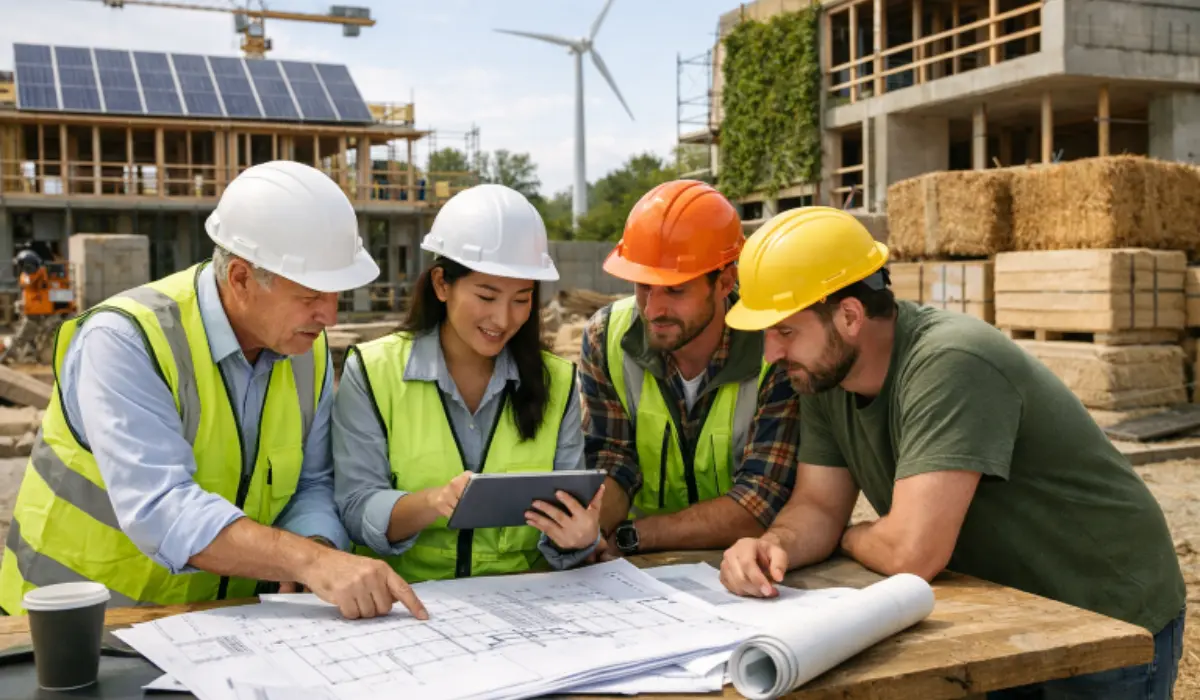
The design-build delivery method has emerged as a leading solution for addressing the complexities of modern infrastructure projects. By integrating the design and construction phases, this approach eliminates silos and enables teams to work in tandem from the project’s outset. The result is streamlined communication, faster decision-making, and a significant reduction in project duration.
Design-build projects have seen increasing adoption in the United States, and industry forecasts suggest that by 2028, more than $1.1 trillion in construction spending will utilize this collaborative method. This figure accounts for nearly half of all construction spending nationwide, underscoring its substantial impact on the industry. The approach is especially beneficial for large, complex projects that require seamless coordination among multiple disciplines.
One of the primary advantages of design-build is the early involvement of all key stakeholders. By having architects, engineers, and contractors collaborate from the beginning, potential issues can be identified and addressed quickly, reducing rework and change orders. Studies from the Design-Build Institute of America show that design-build projects consistently outperform traditional delivery methods in terms of speed, cost effectiveness, and quality metrics.
Technological Innovations Reshaping Construction
Technology is rapidly changing the construction landscape, and the integration of digital tools and automation is at the heart of this evolution. Artificial intelligence (AI), robotics, and data analytics are being used to optimize every aspect of project management, from resource allocation to risk assessment. Building Information Modeling (BIM) enables real-time collaboration and visualization among project teams, reducing errors and improving overall efficiency.
Among the most groundbreaking advancements is 3D printing. Capable of producing intricate, high-precision concrete forms, 3D printing enables the construction of sophisticated structures at reduced cost and on shorter timelines than ever before. Recent projects in the energy and infrastructure sectors have demonstrated the versatility and strength of 3D-printed components, establishing this technology as an industry game-changer. According to American Infrastructure Magazine, 3D-printed repair and component manufacturing allow utilities to extend asset lifespans and reduce downtime.
Broader Impacts of Digital Transformation
In addition to 3D printing, AI-powered software is generating significant advancements in safety, quality control, and project scheduling. By analyzing large data sets from ongoing and historical projects, these tools can proactively flag potential safety hazards and suggest improvements, minimizing risks and protecting workers on-site.
Sustainable Practices in Modern Infrastructure
Sustainability is now a foundational principle in construction, with increasing emphasis on reducing carbon footprints and maximizing resource efficiency. Low-carbon materials, such as green concrete formulated with recycled industrial byproducts, are being adopted at scale. The benefits extend beyond ecological responsibility, as these materials often improve structural performance and reduce long-term maintenance costs.
In addition to material innovation, digitized construction management platforms such as BIM are streamlining operations and reducing waste. BIM provides a clear visualization of projects at every stage, enabling precise material ordering and efficient sequencing of construction tasks. This minimizes excess, saves money, and supports a culture of environmental stewardship. The New York Times reports that these efforts not only align with regulatory pressures but also respond to increasing public demand for sustainable infrastructure.
Integrating Sustainability into All Phases
Forward-thinking companies are embedding sustainability principles into every phase of project development, from site selection to post-construction operations. This comprehensive approach is driving innovation and delivering infrastructure that will stand the test of time while minimizing environmental harm.
Conclusion
The construction industry is in the midst of a profound transformation, fueled by collaborative delivery models, cutting-edge technology, and a determined commitment to sustainability. By embracing these innovative practices, industry leaders can deliver projects that are efficient, resilient, and environmentally sound. As these methods continue to evolve, they will play a crucial role in shaping infrastructure that supports the future needs of society and the planet.