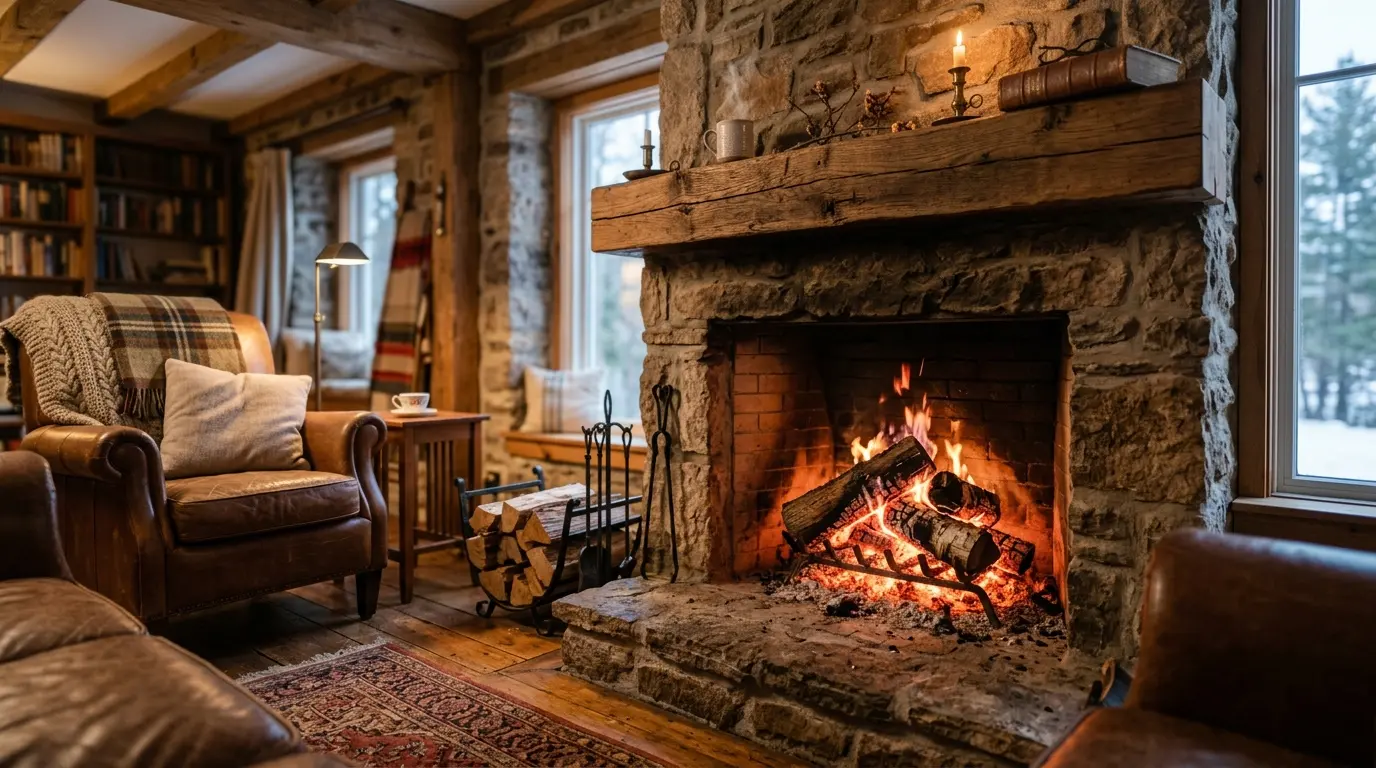
There is something deeply satisfying about a wood burning fireplace. The crackle of seasoned logs, the amber glow dancing across the walls, the faint scent of cedar or oak drifting through the room — these are sensory experiences that no gas insert can fully replicate. Yet choosing the right fireplace style and the right firewood to burn inside it requires more thought than most homeowners initially expect. From the species of wood you select to the structural design of the hearth itself, every decision shapes how efficiently, safely, and beautifully your fireplace performs season after season.
Why Firewood Species Matters More Than You Think
Not all firewood burns the same way. Hardwoods and softwoods differ dramatically in density, moisture content, heat output, and the amount of creosote they deposit inside your chimney. Creosote buildup is one of the leading causes of chimney fires, making wood selection a genuine safety concern rather than a matter of personal preference alone.
Hardwoods such as oak, hickory, ash, and maple are widely regarded as the gold standard for fireplace fuel. They burn hotter, longer, and cleaner than most softwoods, producing a dense bed of coals that sustains heat well into the evening. Softwoods like pine and spruce ignite quickly and are excellent for kindling, but they burn fast and produce more resin-based smoke, which accelerates creosote accumulation. Understanding the different types of wood and their properties is an essential first step before you load your first fire of the season.
Seasoning — the process of drying freshly cut wood — is equally critical. Green or unseasoned wood contains high moisture levels that cause it to smolder rather than burn cleanly. Properly seasoned firewood should have a moisture content below 20 percent, which typically requires six months to two years of outdoor drying depending on the species and climate. Split wood dries faster than whole rounds, and stacking it off the ground with good airflow on all sides accelerates the process considerably.
Gas Fireplace vs. Wood Fireplace: Understanding the Core Differences
The debate between gas and wood fireplaces is one that homeowners revisit constantly, and for good reason. Each option carries a distinct set of advantages, limitations, and lifestyle implications. Gas fireplaces offer unmatched convenience — a single switch or remote ignites a consistent flame without the need to source, store, or season wood. They produce no ash, require minimal cleaning, and can be precisely controlled for heat output.
Wood fireplaces, by contrast, demand more involvement but reward that effort with an authenticity that gas simply cannot match. The ritual of building a fire — selecting the right logs, arranging kindling, coaxing the first flame — is part of the appeal for many homeowners. If you are weighing these options carefully, a detailed gas fireplace vs. wood fireplace comparison guide can help you evaluate factors like installation costs, efficiency ratings, maintenance requirements, and long-term fuel expenses before committing to either system.
One consideration that often gets overlooked is the environmental footprint. Modern EPA-certified wood-burning inserts and stoves have dramatically reduced particulate emissions compared to older open-hearth designs. When burning properly seasoned hardwood in a certified appliance, the environmental impact can be surprisingly modest. Gas fireplaces eliminate particulate emissions at the point of use but rely on fossil fuel infrastructure, which carries its own environmental considerations.
Heat Efficiency and Home Heating Strategy
Traditional open-hearth wood fireplaces are notoriously inefficient from a pure heat-transfer standpoint. A significant portion of the heat generated by the fire escapes directly up the chimney, and when the damper is left open after the fire dies, warm indoor air continues to escape. Fireplace inserts — whether wood or gas — dramatically improve efficiency by enclosing the firebox and directing heat into the room rather than up the flue.
For homeowners who want a wood-burning fireplace to serve as a meaningful supplemental heat source rather than purely an aesthetic feature, investing in a high-efficiency wood insert with a blower system is worth serious consideration. These units can achieve efficiency ratings above 70 percent, transforming a decorative hearth into a functional heating appliance capable of warming a substantial portion of the home.
The Role of Premium Wood Products in Fireplace Performance
Beyond the fireplace itself, the quality of the wood you burn has a direct and measurable impact on your experience. Sourcing firewood from a reputable supplier ensures consistent moisture content, proper seasoning, and species integrity. Poorly sourced firewood — often sold at gas stations or big-box stores — may be inadequately seasoned, mixed with low-quality species, or even treated with chemicals that release toxic fumes when burned.
Liberty Cedar is a trusted name in premium wood products, offering carefully sourced and processed wood that meets the standards discerning homeowners expect. Whether you are furnishing a fireplace with quality firewood or selecting cedar for architectural and decorative applications throughout your home, working with a supplier who prioritizes wood quality and responsible sourcing makes a tangible difference in both performance and peace of mind.
Cedar as a Complementary Element in Fireplace Design
Cedar occupies a unique position in the world of wood products. While it is not typically the primary fuel for a fireplace due to its resinous nature, it plays a meaningful role in fireplace aesthetics and surrounding design. Cedar mantels, paneling, and decorative elements bring warmth and natural character to a hearth surround that painted drywall simply cannot replicate. The natural oils in cedar also give it exceptional resistance to moisture and insects, making it a practical choice for areas near the fireplace where condensation and temperature fluctuations are common.
When designing or renovating a fireplace surround, incorporating cedar alongside stone or brick creates a layered, organic aesthetic that feels both timeless and contemporary. The grain patterns and natural color variation in cedar add visual depth that manufactured materials lack, and the subtle fragrance it releases in a warm room is an understated but genuinely pleasant bonus.
Maintenance, Safety, and Long-Term Care
Regardless of whether you choose a wood or gas fireplace, consistent maintenance is non-negotiable. For wood-burning systems, annual chimney inspections and cleanings by a certified chimney sweep are essential. Creosote accumulates with every fire, and even well-seasoned hardwood produces some buildup over time. A professional inspection also identifies structural issues — cracked flue tiles, deteriorating mortar, or damaged dampers — before they become costly or dangerous problems.
Gas fireplaces require less frequent cleaning but should still be inspected annually to ensure the burner, ignition system, and venting are functioning correctly. Carbon monoxide detectors are mandatory in any home with a gas appliance, and smoke detectors should be tested regularly regardless of fireplace type.
Conclusion: Building a Fireplace Experience That Lasts
A fireplace is one of the most enduring features a home can have. When chosen thoughtfully and maintained properly, it adds warmth, character, and genuine value to a living space for decades. The decisions you make — from the type of fireplace you install to the wood you burn and the materials you use in the surrounding design — collectively determine the quality of that experience. Invest in premium materials, educate yourself on the nuances of firewood selection and fireplace efficiency, and partner with suppliers and professionals who share your commitment to quality. The result will be a hearth that earns its place at the center of your home, year after year.