Fencing serves vital functions, including defining boundaries, enhancing security, and improving the aesthetic appeal of properties. The industry has shifted from traditional methods to innovative approaches, providing property owners, both residential and commercial, with advanced options that combine practical benefits and aesthetic upgrades. Contemporary custom fencing solutions now feature low-maintenance, sustainable materials and smart technology integration, while reflecting modern architectural and landscaping trends.
The evolution of fencing choices enhances privacy, increases curb appeal, and raises property values, making an informed selection essential for property owners. Additionally, collaboration among fence manufacturers, installers, and property owners facilitates the delivery of tailored solutions that meet specific security and design needs. The article delves into significant advancements in custom fencing, including commercial fences, providing practical insights for prospective installations.
Advanced Materials in Modern Fencing
The fence industry is moving away from traditional wood due to its susceptibility to weathering, pests, and rot, opting instead for advanced materials like powder-coated aluminum, vinyl, and composites. These materials enhance durability and reduce maintenance, with aluminum providing corrosion resistance and sleek finishes, while vinyl offers excellent weather resistance and easy cleaning. Composite fencing combines natural wood fibers with polymers, mimicking wood’s appearance without its drawbacks. Additionally, these materials offer extensive design options, allowing customization in colors, finishes, and patterns to suit various architectural styles. Prefinished options also require minimal upkeep, resulting in time and cost savings. Publications like Architectural Digest highlight the growing appeal of these innovative solutions among designers and homeowners seeking both practicality and aesthetic appeal.
Smart Technology Integration
Smart technologies have transformed what fences can do. Automated gate systems streamline access, allowing owners to manage entry with keypads, remote controls, or smart devices. Motion-activated lighting and integrated surveillance add vital security layers, deterring trespassers while offering real-time monitoring. These features are particularly relevant for commercial and high-value properties where safety and convenience must go hand in hand.
Motion sensors, alarms, and compatibility with home automation systems let property owners customize their security solutions to meet evolving needs. As more technologies connect to centralized systems, smart fences become a foundational element of broader home and business security strategies. Integrating these features can help future-proof properties as technological trends develop.
Design Trends and Aesthetics
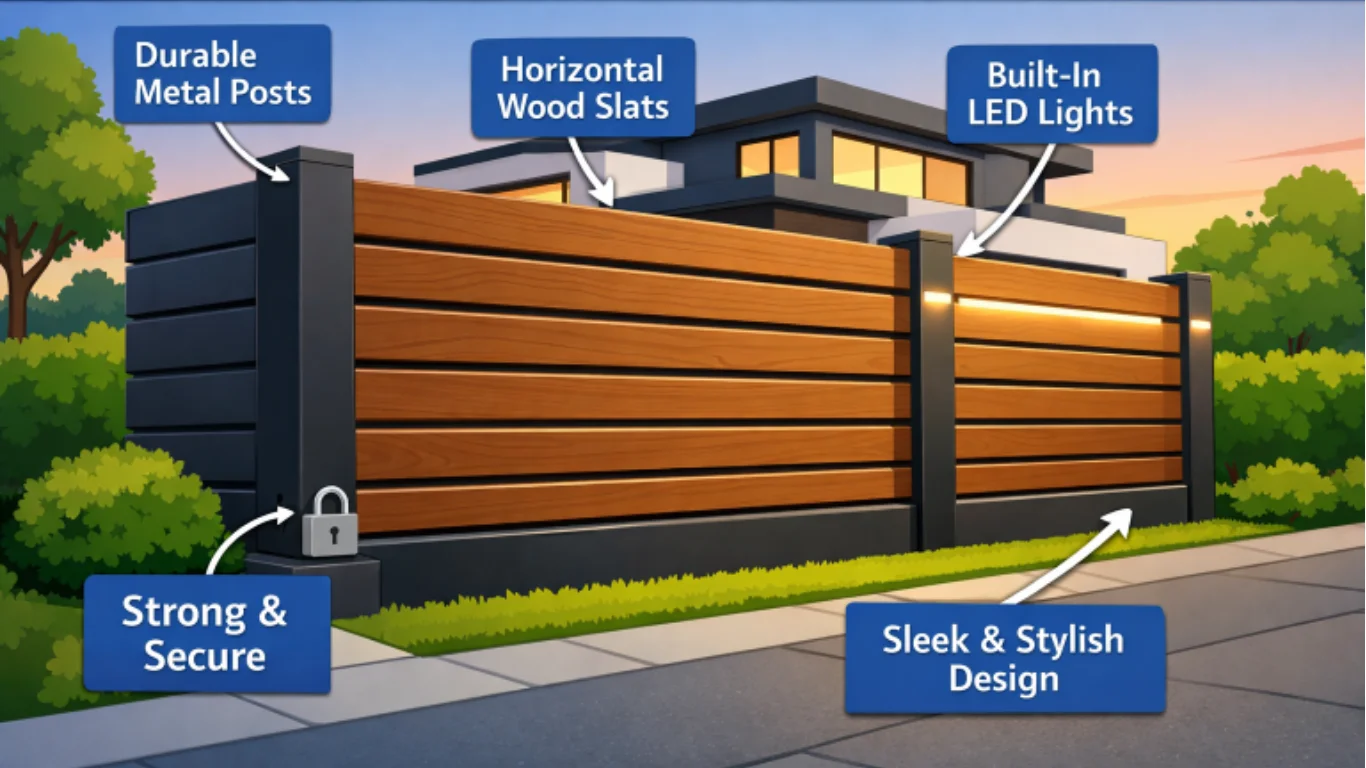
Today’s fencing designs emphasize clean, streamlined looks that complement modern architectural styles. The horizontal slat fence is a prime example, providing a contemporary, open feel while maintaining privacy. Mixing materials, such as blending warm wood with industrial metal, creates striking contrasts and allows for more diverse design choices. Textured surfaces, geometric patterns, and muted color palettes further enhance curb appeal and can be customized to match landscaping or building exteriors.
Minimalism is a driving force, but personalization remains central. Adjustable spacing, decorative inserts, and custom finishes offer endless possibilities. These design approaches allow property owners to create fencing that reflects their unique taste and fits seamlessly with the overall site design.
Sustainability and Eco-Friendly Practices
Sustainability is a key focus in fencing projects, with many manufacturers using recycled materials and sustainably sourced wood to demonstrate environmental responsibility. The adoption of low-VOC and water-based finishes helps minimize environmental impact, while eco-conscious homeowners often choose materials certified by the Forest Stewardship Council to promote sustainable forestry. Reusable and recyclable options attract those who aim to reduce waste during the installation or removal of fencing. Builders acknowledge that eco-friendly fencing not only meets global sustainability objectives but also enhances appeal to environmentally aware consumers. HGTV discusses current trends in eco-friendly fencing, highlighting options that ensure durability and minimize ecological impact.
Innovative Installation Techniques
Modern installation methods have prioritized speed, accuracy, and minimal disruption. Prefabricated fence panels and modular designs dramatically reduce setup time. These advances minimize labor costs and allow for installations that cause less disturbance to the property. For complex layouts, precision tools and digital measurement systems ensure perfect alignment and a high-quality finish, reducing errors associated with manual installation.
Professional installers can now work efficiently across a range of environments, from new construction sites to established landscapes. This flexibility makes custom fencing attainable for a wider audience and increases satisfaction with the final product.
Maintenance and Longevity
One of the most significant benefits of modern fence materials is ease of maintenance. Aluminum and vinyl fences, unlike natural wood, do not need frequent painting or staining and resist the common problems of chipping and warping. Composite materials are engineered to retain their appearance with little more than occasional cleaning with soap and water. This low-maintenance approach not only saves owners’ effort but also ensures the fence looks great for many years.
Durability translates into fewer repairs, longer lifespan, and greater value. For property managers and busy homeowners alike, these attributes make advanced fencing materials a clear choice for hassle-free boundary solutions.
Cost Considerations and Value
While modern custom fencing solutions often come with higher upfront costs, their long-term value is undeniable. Durability leads to fewer replacements, and lower maintenance costs contribute to overall savings. Moreover, attractive, well-built fences enhance property value and curb appeal, supporting a solid return on investment.
When weighing options, owners should factor in all lifecycle costs, including installation, upkeep, and potential resale value. Expert guidance can help achieve the best outcome for unique site needs and aesthetic goals.
Conclusion
The custom fencing industry has embraced an exciting era of innovation, blending advanced materials, technology, and design. This evolution means property owners can now enjoy fences that offer much more than boundary definition. By prioritizing durability, smart integrations, and environmental responsibility, today’s solutions meet the highest standards of functionality and style, making them a wise investment for any property type.