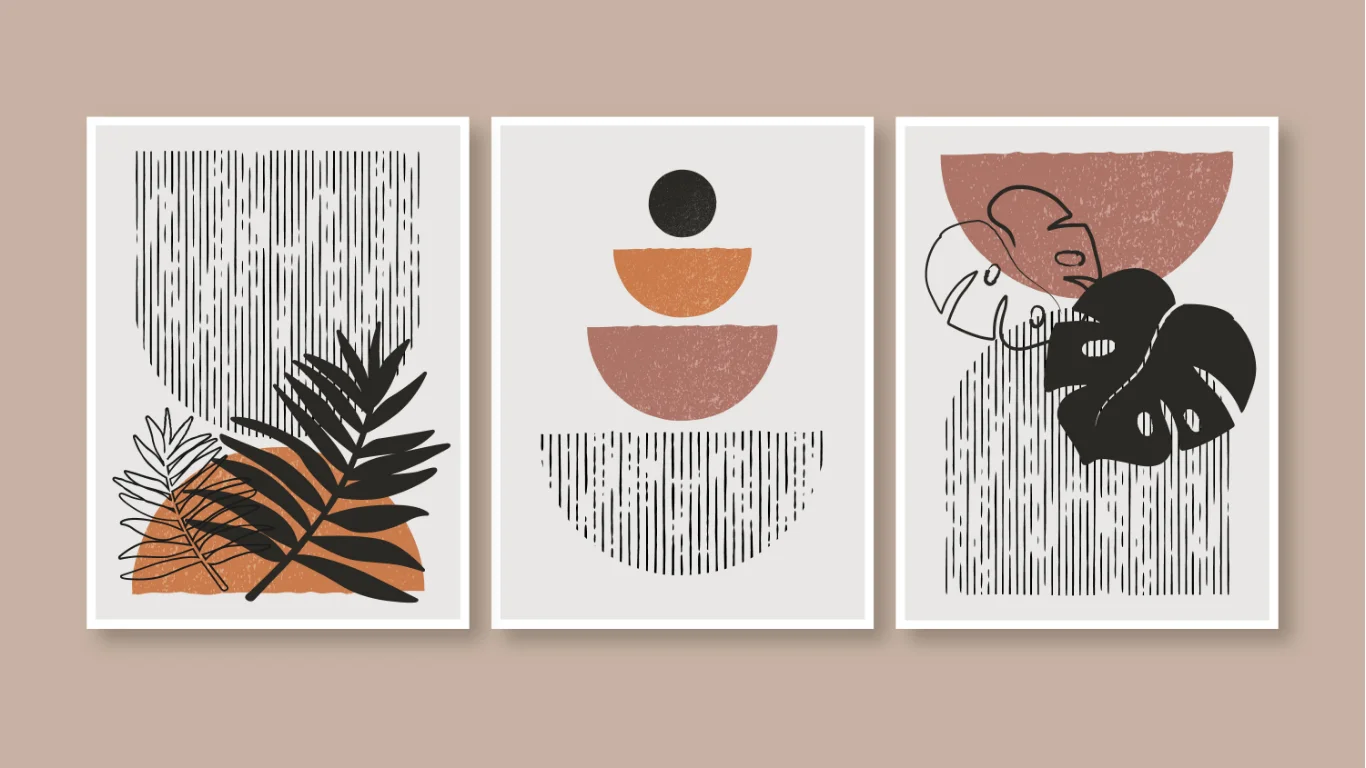
Wall art ideas play a major role in defining the personality and atmosphere of any home. Empty walls can make even well-furnished rooms feel unfinished or uninspired. In 2026, homeowners across the USA are focusing on intentional design choices that reflect personal style while maintaining balance. From minimalist prints to bold statement pieces, wall decor has become an essential element of modern interiors. This guide explores practical and stylish wall art ideas to help you upgrade your living spaces with confidence.
Create a Gallery Wall That Tells a Story
Gallery walls remain one of the most popular wall art ideas for adding character to living rooms and hallways. By combining framed photos, artwork, and meaningful quotes, you can create a visual story that reflects your personality. Keep spacing consistent and choose frames in similar finishes to maintain cohesion. Mixing sizes and orientations adds visual interest without overwhelming the space. Planning layout on the floor before hanging prevents unnecessary wall damage. A well-designed gallery wall turns blank surfaces into engaging focal points.
Use Oversized Statement Art for Impact
Large-scale artwork can instantly elevate a room and is among the boldest wall art ideas available. Oversized canvas prints or abstract paintings create dramatic visual appeal in living rooms and bedrooms. When choosing statement pieces, consider your room’s color palette and furniture style. Neutral backdrops allow bold art to stand out without clashing. Hanging artwork at eye level ensures balance and proportion. One impactful piece often creates more sophistication than several smaller items.
Incorporate Textured and 3D Wall Art
Textured pieces bring depth and dimension, making them innovative wall art ideas for modern homes. Wood carvings, metal sculptures, woven hangings, and layered installations create dynamic surfaces. These elements work especially well in minimalist spaces that need warmth. Natural materials such as rattan and reclaimed wood add organic charm. Proper lighting enhances shadows and highlights textures effectively. Three-dimensional art transforms flat walls into interactive design features.
Display Mirrors as Decorative Art
Mirrors are functional yet stylish wall art ideas that enhance both light and space. Decorative mirrors reflect natural sunlight, making small rooms appear larger and brighter. Choose frames that match your interior theme, whether modern, rustic, or classic. Grouping smaller mirrors can create artistic patterns. Strategic placement across from windows maximizes illumination. Mirrors combine practicality with elegance, offering both design and utility.
Add Shelving for Art and Decor Displays
Floating shelves provide flexible wall art ideas that can evolve over time. Use shelves to display framed photos, small sculptures, books, or indoor plants. Layering objects of different heights creates balanced visual composition. Rotating decor seasonally keeps your space feeling fresh. Neutral shelves blend easily into most design styles. This approach offers versatility while maintaining organization.
Try DIY Wall Art for Personal Expression
DIY projects are budget-friendly wall art ideas that allow creative freedom. Hand-painted canvases, framed fabric, or printable designs add a unique touch. Creating art yourself ensures your walls reflect your individual taste. Use high-quality frames to elevate simple pieces. DIY art works especially well in bedrooms or home offices. Personalized decor brings warmth and authenticity to interiors.
Incorporate Typography and Inspirational Quotes
Typography art remains one of the most meaningful wall art ideas for homes. Framed quotes, calligraphy prints, or metal lettering add motivation and personality. Choose messages that resonate with your lifestyle and values. Simple fonts maintain elegance, while bold lettering creates visual emphasis. Avoid overcrowding walls with too many words. Balanced typography adds character without overwhelming design.
Use Nature-Inspired Art for Calm Interiors
Nature-themed artwork introduces tranquility and softness into rooms. Landscapes, botanical prints, and ocean photography are calming wall art ideas for bedrooms and living areas. Soft greens and blues create peaceful atmospheres. Pairing nature art with wooden furniture enhances cohesion. Large windows and natural light complement organic themes. Nature-inspired decor supports relaxed and welcoming environments.
Match Wall Art to Room Function
Choosing appropriate wall art ideas depends on the purpose of each space. Dining rooms benefit from elegant prints or symmetrical arrangements. Bedrooms look best with calming colors and minimal distractions. Home offices may include motivational or abstract pieces that encourage creativity. Entryways can feature bold designs that create strong first impressions. Aligning art with function ensures harmony throughout your home.
Keep Proportion and Spacing in Mind
Proper proportion is essential when implementing wall art ideas successfully. Artwork should occupy about two-thirds of the wall space above furniture. Hanging pieces too high or too low disrupts balance. Leave consistent gaps between frames in gallery arrangements. Measuring before installation prevents alignment mistakes. Attention to spacing enhances overall visual appeal.
Conclusion
Wall art ideas are powerful tools for transforming plain walls into meaningful design statements. Whether you prefer gallery walls, oversized prints, textured installations, or DIY creations, thoughtful selection enhances both style and comfort. Balancing scale, color, and placement ensures each piece complements your interior. By choosing art that reflects your personality and lifestyle, you create inviting and visually engaging spaces. In 2026, creative wall art ideas continue to define modern home design across the USA.
FAQs
What are the best wall art ideas for small rooms?
Mirrors and light-colored artwork work best because they reflect light and create the illusion of more space without overwhelming the room.
How high should wall art be hung?
Artwork should generally be hung at eye level, which is about 57 to 60 inches from the floor to the center of the piece.
Can I mix different art styles on one wall?
Yes, but maintain consistency through color palette or frame style to keep the arrangement cohesive and visually balanced.
Is large wall art better than multiple small pieces?
It depends on the room size and design preference. Large pieces create bold statements, while smaller pieces offer variety and storytelling.
How often should I update my wall art?
Many homeowners refresh artwork every one to two years, while seasonal changes can keep interiors feeling current and personalized.