
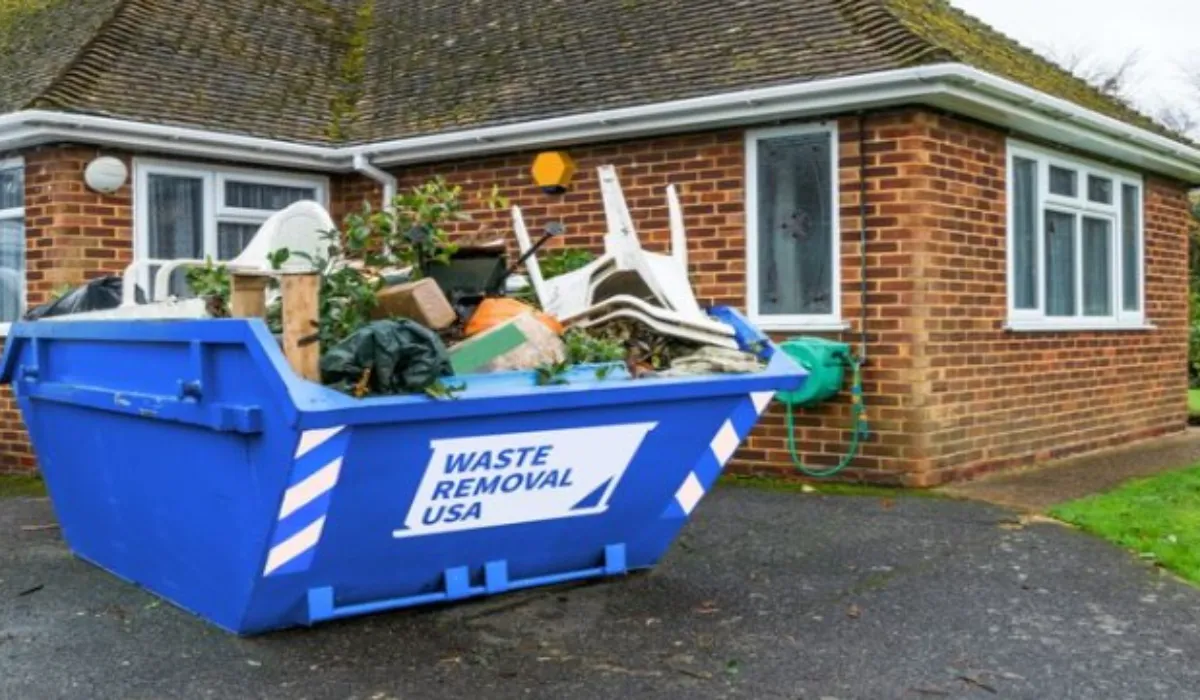
Waste management has become one of the most pressing issues of modern society. As populations grow and consumption patterns shift toward convenience and disposability, the volume of waste generated each year continues to rise. From households to industries, every sector contributes to the growing waste stream that must be collected, processed, and disposed of responsibly.
The way societies handle this waste has a direct and lasting effect on the environment, influencing everything from soil quality to air purity and climate stability. This article explores the importance of effective waste management, the environmental consequences of poor disposal practices, and the strategies that can help reduce harm to our planet.
Understanding the Growing Waste Crisis
The amount of waste produced globally has increased dramatically over the past few decades, driven by urbanization, industrial growth, and changing consumer habits. Municipal solid waste, electronic waste, construction debris, and hazardous industrial byproducts all add to the burden placed on waste management systems. Without proper infrastructure and planning, this waste often ends up in landfills, open dumps, or, worse, in natural ecosystems where it can cause significant harm.
This is where professional waste management services become essential. Companies such as Waste Removal USA help communities and businesses manage their waste responsibly, ensuring that materials are collected, sorted, and processed in ways that minimize environmental damage. Reliable waste removal services are a critical part of any sustainable waste management plan, as they bridge the gap between waste generation and proper disposal or recycling.
Environmental Consequences of Poor Waste Disposal
When waste is not managed properly, the environmental consequences can be severe and far reaching. Landfills, for example, are a major source of methane, a greenhouse gas that is significantly more potent than carbon dioxide in trapping heat in the atmosphere. As organic waste decomposes in landfills without sufficient oxygen, it releases methane, contributing directly to climate change.
In addition, leachate, a toxic liquid that forms when rainwater passes through waste, can seep into the soil and contaminate groundwater supplies, posing risks to both human health and local ecosystems.
Improperly disposed waste also affects air quality. Burning waste, a practice still common in many parts of the world, releases harmful pollutants such as dioxins, furans, and particulate matter into the atmosphere. These pollutants can travel long distances, affecting air quality far beyond the original source and contributing to respiratory illnesses in nearby communities.
Marine environments are particularly vulnerable to the effects of mismanaged waste. Plastics and other debris that enter rivers and oceans break down into microplastics over time, which are then ingested by marine life. This not only threatens biodiversity but also introduces harmful substances into the food chain, eventually affecting human health as well.
The Role of Recycling and Resource Recovery
One of the most effective ways to reduce the environmental impact of waste is through recycling and resource recovery. Recycling reduces the need for raw material extraction, which in turn lowers energy consumption and greenhouse gas emissions associated with manufacturing new products. Materials such as paper, glass, metal, and certain plastics can be processed and reused multiple times, significantly extending their lifecycle and reducing the burden on landfills.
Resource recovery goes beyond traditional recycling by also focusing on composting organic waste and converting certain waste streams into energy. Composting, for instance, transforms food scraps and yard waste into nutrient rich soil amendments, reducing methane emissions from landfills while also supporting healthier agricultural practices. Waste to energy technologies, when implemented with proper emission controls, can also provide a sustainable way to manage non recyclable waste while generating usable electricity or heat.
The Importance of Responsible Waste Collection and Disposal
Proper waste collection is the foundation of any effective waste management system. Without consistent and reliable collection services, waste can accumulate in communities, leading to unsanitary conditions, pest infestations, and increased pollution. Efficient collection systems ensure that waste is transported to appropriate facilities for sorting, recycling, or disposal, reducing the likelihood of illegal dumping and environmental contamination.
Businesses and municipalities play a significant role in this process by investing in modern waste management infrastructure and partnering with experienced waste removal providers. These partnerships help ensure that hazardous materials are handled according to regulatory standards, that recyclable materials are diverted from landfills, and that general waste is disposed of in environmentally responsible ways.
Steps Toward a More Sustainable Future
Reducing the environmental impact of waste requires a combination of individual responsibility, corporate accountability, and government policy. On an individual level, simple actions such as reducing single use plastics, composting food waste, and properly sorting recyclables can make a meaningful difference over time. Businesses can adopt sustainable packaging, implement waste reduction programs, and work with certified waste management providers to ensure compliance with environmental regulations.
Governments also have a critical role to play by enforcing waste management policies, investing in recycling infrastructure, and promoting public awareness campaigns about the importance of proper waste disposal. Extended producer responsibility programs, which hold manufacturers accountable for the end of life management of their products, are increasingly being adopted as a way to encourage more sustainable production practices.
Conclusion
Waste management is far more than a logistical task, it is a fundamental component of environmental protection and public health. The choices made today regarding how waste is collected, processed, and disposed of will shape the health of ecosystems and communities for generations to come. By supporting responsible practices, investing in recycling and resource recovery, and partnering with trusted providers such as Waste Removal USA, individuals, businesses, and municipalities can significantly reduce the environmental footprint of waste. A collective commitment to sustainable waste management is essential for preserving natural resources, protecting public health, and building a cleaner, healthier planet for future generations.