Key Takeaways
- Vacuum sealing extends the shelf life of various foods by removing oxygen, which slows down spoilage.
- Proper vacuum sealing can prevent freezer burn, preserving the taste and texture of frozen items.
- While beneficial, vacuum sealing requires adherence to safety guidelines to prevent the growth of harmful bacteria.
Vacuum sealing has revolutionized the way we preserve food at home. This method dramatically extends shelf life, helps retain flavor, and significantly reduces kitchen waste. By removing air and sealing food securely, vacuum sealing limits bacteria growth and oxidation, resulting in fresher-tasting meals and smarter storage. For effective results, choosing a high-quality vacuum seal bag is just as important as the sealing device.
Whether you buy in bulk, plan meals ahead, or want to keep leftovers fresher for longer, vacuum sealing helps lock in quality and nutrients while optimizing space in your fridge and freezer. Households that use this method tend to notice substantial savings over time, as less food is wasted due to spoilage.
Besides cost savings, vacuum sealing offers a solution for meal preppers and families who need to portion food for convenience. It also preserves delicate flavors and prevents freezer burn, making it ideal for meat, produce, cheese, and more.
Embracing vacuum sealing can be a game-changer for anyone aiming for efficiency and quality in their home kitchen. You’ll also find it makes organizing pantries and freezers much more straightforward.
Benefits of Vacuum Sealing
- Extended Shelf Life: By removing oxygen, vacuum sealing slows down the growth of aerobic bacteria and mold, significantly extending the shelf life of perishable foods.
- Prevention of Freezer Burn: Vacuum-sealed foods are less susceptible to freezer burn, as the absence of air prevents moisture loss and ice crystal formation.
- Cost Savings: Buying in bulk and vacuum sealing portions can lead to substantial savings over time.
- Space Efficiency: Vacuum-sealed packages are more compact, making efficient use of storage space in refrigerators and freezers.
These benefits make vacuum sealing a preferred choice for families and individuals seeking convenient ways to store meals and ingredients with reduced spoilage and waste. According to the USDA, proper food storage is a key factor in reducing foodborne illness and conserving household resources.
How Vacuum Sealing Works
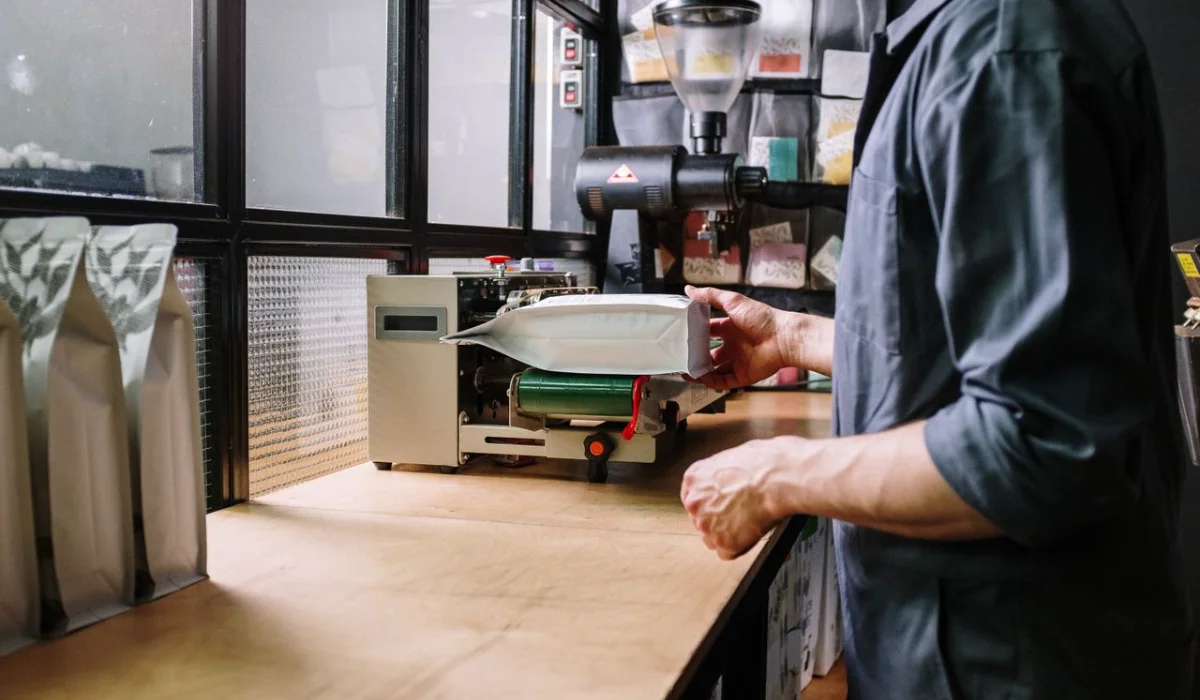
Vacuum sealing involves placing food in a plastic bag and using a vacuum sealer to remove air before sealing the bag. This oxygen-free environment suppresses the growth of microorganisms and slows down spoilage. With no air or excess moisture inside, food maintains its original taste and nutritional profile for much longer than conventional storage methods.
Best Practices for Vacuum Sealing
- Use Quality Bags: Opt for thick, durable bags designed for vacuum sealing, as ordinary plastic is more prone to punctures and seals less tightly.
- Label and Date: Always label your vacuum-sealed packages with the contents and the sealing date to help keep track of rotation and use the oldest items first.
- Portion Control: Divide food into portions that suit your household’s needs before vacuum-sealing for easier meal planning and thawing.
- Pre-Freeze Liquids: For foods with a lot of moisture, such as soups or stews, freeze them before sealing to prevent spills and improve seal strength.
Additionally, keeping your sealer clean is crucial for longevity and optimal function. Regular maintenance will ensure proper suction and prevent the growth of residual bacteria.
Safety Considerations
- Refrigerate or Freeze Promptly:Perishable vacuum-sealed items should be refrigerated or frozen promptly to prevent dangerous bacterial growth in an anaerobic environment.
- Avoid Room Temperature Storage:Never store vacuum-sealed perishable foods (such as meats, seafood, or dairy) at room temperature, as this creates ideal conditions for dangerous pathogens, such as Clostridium botulinum, to grow.
- Safe Thawing: Defrost vacuum-sealed foods in the refrigerator or with cold running water to reduce the risk of bacterial growth and retain maximum quality.
Choosing the Right Vacuum Sealer
Selecting a vacuum sealer involves evaluating your kitchen needs. Countertop models are ideal for heavy use and offer features such as moist/dry modes and accessory ports. Handheld sealers can be great for light use and small spaces. Consider bag compatibility, ease of cleaning, and additional features such as marinating functions or external hose attachments. Reading user reviews and researching product comparisons will also help you identify the sealer that best fits your budget and storage needs.
Vacuum Sealing and Sous Vide Cooking
Vacuum sealing is essential for sous vide cooking, which involves cooking food slowly in a water bath at precise temperatures. Sealed bags ensure that food is cooked evenly and keeps all its juices and flavors sealed in. Sous vide is popular among restaurant chefs and has increasingly become a trend among home cooks looking for gourmet results with less effort.
Common Mistakes to Avoid
- Overfilling Bags: Always leave enough space at the top of the bag to guarantee a secure, airtight seal.
- Sealing Wet Foods Without Pre-Freezing: Moisture can interfere with a proper seal. Pre-freeze foods such as sauces and stews before sealing.
- Neglecting Maintenance: Clean your vacuum sealer regularly and check for any worn parts to avoid technical failures and food contamination.
Conclusion
Integrating vacuum sealing into your routine can transform the way you store, prepare, and save food. From extending shelf life and reducing waste to ensuring flavors remain fresh and ready for convenient meal prep, proper usage delivers outstanding results. By following best practices and key safety guidelines, vacuum sealing can help you get the most from your groceries, save money, and enjoy higher-quality meals at home.