
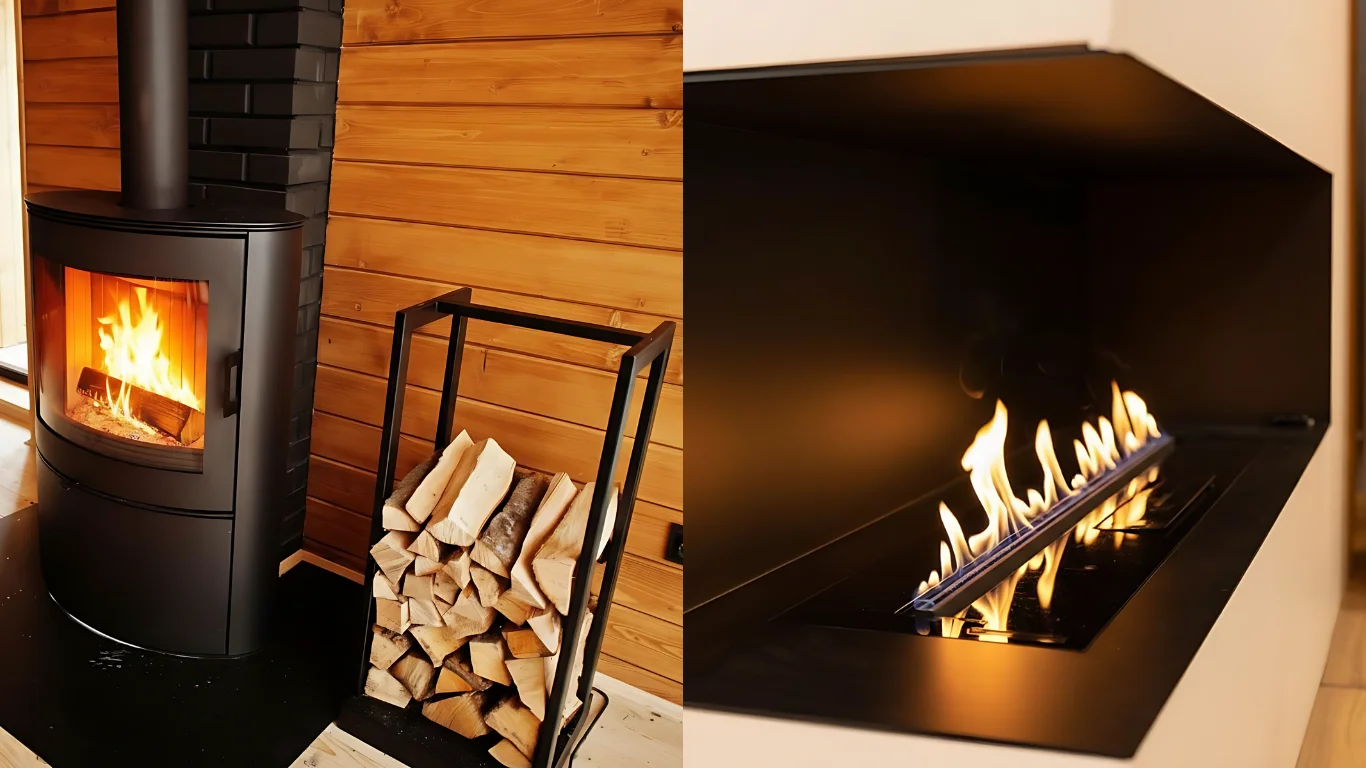
Choosing between a gas fireplace vs wood fireplace is an important decision for homeowners looking to add warmth and atmosphere to their living spaces. Fireplaces have long been valued for their ability to create a cozy environment while providing supplemental heating. In modern homes around the world, both gas and wood fireplaces remain popular but offer different benefits and challenges. Understanding how each system works can help homeowners select the option that best suits their lifestyle and preferences. This guide explores the key differences, advantages, and considerations when comparing gas fireplace vs wood fireplace options.
Understanding Gas Fireplaces
Gas fireplaces are heating appliances that burn natural gas or propane to produce flames and warmth. They are designed to mimic the appearance of traditional fireplaces while offering modern convenience and efficiency. With the push of a button or remote control, users can ignite the flame instantly without the need for kindling or logs. Many models include adjustable flame settings and thermostats for better temperature control. Because of their clean-burning fuel, gas fireplaces produce fewer emissions and less indoor pollution. This makes them a convenient and efficient heating solution for many homes worldwide.
Understanding Wood Fireplaces
Wood fireplaces use firewood as fuel to generate heat and create a traditional flame experience. Many homeowners appreciate the natural crackling sound and aroma produced by burning wood. This classic style of fireplace has been used for centuries and remains a symbol of comfort and tradition. However, wood fireplaces require proper ventilation through chimneys to release smoke and gases safely. Maintaining a wood fireplace also involves storing firewood and cleaning ash regularly. Despite the additional effort required, many people value the authentic atmosphere created by a wood-burning fire.
Installation Requirements and Setup
Installation is a major factor when comparing gas fireplace vs wood fireplace systems. Gas fireplaces typically require a gas line connection and ventilation system, though some models operate without traditional chimneys. Installation can often be completed relatively quickly with professional assistance. Wood fireplaces, on the other hand, usually require a full chimney system and proper structural design for safe operation. Building or renovating a chimney can increase installation costs and complexity. For many homeowners, the simplicity of gas fireplace installation is a significant advantage.
Heating Efficiency and Performance
Heating performance is another key consideration in the gas fireplace vs wood fireplace debate. Gas fireplaces tend to provide more consistent and controllable heat output. Users can easily adjust the temperature using built-in thermostats or remote controls. Wood fireplaces produce heat through natural combustion, which can vary depending on the type and quality of firewood used. While wood fires can generate strong heat, some warmth may escape through the chimney. As a result, gas fireplaces are often considered more energy efficient in modern homes.
Maintenance and Cleaning
Maintenance requirements differ significantly between gas fireplace vs wood fireplace systems. Gas fireplaces generally require minimal maintenance aside from occasional inspections and cleaning of burners or vents. Since they do not produce ash or soot, cleaning tasks are relatively simple. Wood fireplaces require regular ash removal and chimney cleaning to prevent buildup of creosote, a flammable residue. Firewood must also be stored in dry conditions to ensure efficient burning. Homeowners who prefer low-maintenance heating solutions often favor gas fireplaces.
Environmental Impact and Emissions
Environmental considerations play an important role when comparing gas fireplace vs wood fireplace options. Gas fireplaces burn cleaner fuel, producing fewer particulate emissions and less smoke. This makes them a more environmentally friendly choice in many regions. Wood fireplaces release smoke and carbon particles that can affect air quality if not managed properly. However, using sustainably sourced firewood can help reduce environmental impact. Advances in fireplace technology are also improving emission control in modern wood-burning systems.
Safety Considerations
Safety is an essential factor when evaluating gas fireplace vs wood fireplace installations. Gas fireplaces often include safety features such as automatic shutoff valves and controlled ignition systems. These features reduce the risk of accidental fires or gas leaks when properly maintained. Wood fireplaces require careful monitoring because open flames and sparks can pose hazards. Installing protective screens and maintaining proper chimney ventilation improves safety. Regardless of the type chosen, regular inspection and responsible use are critical for safe fireplace operation.
Cost and Long-Term Expenses
The overall cost comparison between gas fireplace vs wood fireplace systems includes installation, fuel, and maintenance expenses. Gas fireplaces may require higher initial setup costs if a gas line needs to be installed. However, ongoing fuel costs are usually predictable and convenient. Wood fireplaces may have lower installation costs in homes that already have chimneys. Firewood prices vary depending on location and availability. Over time, maintenance and cleaning expenses can influence the overall cost of owning a wood fireplace.
Aesthetic Experience and Atmosphere
Aesthetic appeal is often a deciding factor in the gas fireplace vs wood fireplace discussion. Gas fireplaces offer sleek designs and customizable flame effects that fit well in modern interiors. Some models even allow users to adjust flame color and brightness. Wood fireplaces provide a more traditional and authentic experience with natural flames, crackling sounds, and the scent of burning wood. Many homeowners value the nostalgic atmosphere created by a real wood fire. Personal preference often determines which style feels more appealing.
Conclusion
The choice between gas fireplace vs wood fireplace ultimately depends on individual preferences, lifestyle, and home design. Gas fireplaces provide convenience, efficiency, and easy maintenance, making them ideal for modern living. Wood fireplaces offer a traditional ambiance and natural heating experience that many homeowners still cherish. Each option has unique benefits and considerations regarding installation, cost, environmental impact, and safety. Understanding these differences allows homeowners to make informed decisions about their heating solutions. Whether choosing gas or wood, a well-installed fireplace can enhance comfort and style in any home.
FAQs
Which is more efficient, a gas fireplace or a wood fireplace?
Gas fireplaces are generally more efficient because they provide consistent heat and reduce heat loss through chimneys.
Do gas fireplaces require a chimney?
Some gas fireplaces require venting systems, while ventless models can operate without traditional chimneys.
Are wood fireplaces more environmentally friendly than gas fireplaces?
Wood fireplaces can be sustainable if using responsibly sourced firewood, but they typically produce more smoke and emissions.
Which fireplace type requires more maintenance?
Wood fireplaces require more maintenance because they produce ash and creosote that must be cleaned regularly.
Can a gas fireplace create the same ambiance as a wood fireplace?
Modern gas fireplaces offer realistic flame designs, but some homeowners still prefer the natural sound and scent of burning wood.