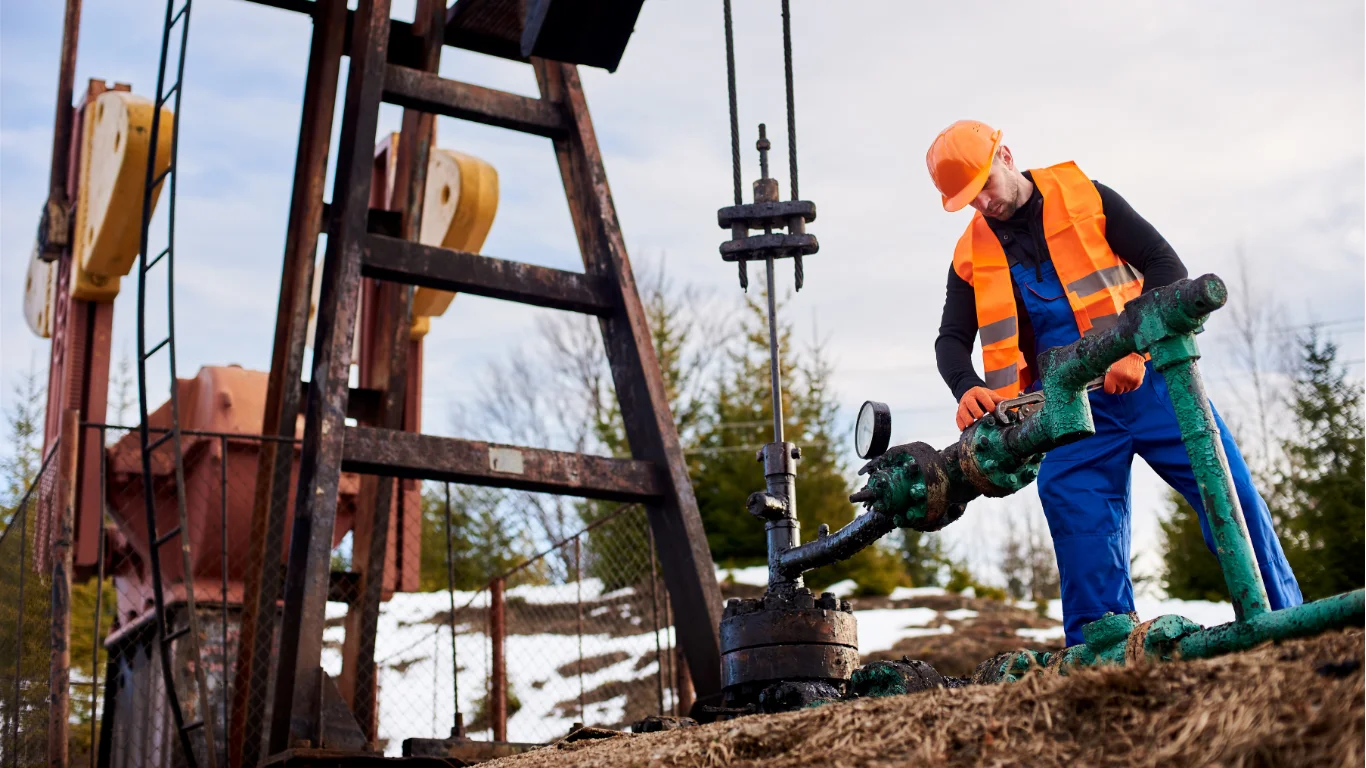
Installing a water well on your property can offer greater independence over your water supply, potentially delivering fresher-tasting water without monthly utility bills. However, the process involves careful planning, as it is a significant investment that requires attention to legal, technical, and practical details. Many homeowners consider this option when building in rural areas or seeking self-sufficiency, but rushing in without proper preparation can lead to costly mistakes or inadequate water quality.
Before committing, it is essential to understand the full picture from site assessment to ongoing maintenance. Professional well drilling services provide the expertise needed to navigate geology, regulations, and system installation safely and effectively. With thoughtful preparation, a private well can serve your household reliably for decades.
Assessing Your Property and Water Needs
The first step is evaluating whether your land can support a viable water well. Groundwater availability varies widely depending on local geology, and not every property has accessible aquifers at a reasonable depth. Begin by reviewing historical well records in your area, often available through local environmental agencies or geological surveys. These can indicate typical depths, water quality, and yield from nearby wells.
Next, estimate your household’s water requirements. A typical family of four might use 150–300 gallons per day for drinking, cooking, bathing, and laundry, with additional demands for irrigation or livestock. Factor in peak usage, such as garden watering in summer, and consider future needs if you plan to expand your property. Consulting a hydrogeologist or experienced driller for a site survey helps identify promising locations while avoiding areas prone to contamination, such as near septic systems, fuel storage, or agricultural runoff.
Proper siting is critical: the well should be positioned so surface water drains away from it, minimising the risk of pollutants entering the system. Topography, soil type, and proximity to potential contamination sources all play a role. In some regions, you may also need to account for water rights or abstraction limits that govern how much groundwater you can extract.
Legal and Regulatory Considerations
Regulations for private wells differ by country and region, so local research is non-negotiable. In many parts of the United States, you will need permits from state or county authorities before drilling begins, along with adherence to setback distances from septic fields, property lines, and other features. Failure to comply can result in fines or the requirement to abandon an improperly installed well.
In the UK and parts of Europe, private water supplies fall under specific regulations that emphasise water safety. You may need to notify your local council’s environmental health department, which could require risk assessments and regular testing to ensure the water remains “wholesome.” Abstraction licences may apply if daily usage exceeds certain thresholds, such as 20 cubic metres in England and Wales.
Always verify requirements with the relevant authorities early in the process. Engaging a licensed contractor familiar with local rules helps ensure compliance and can streamline permitting. Keep detailed records of all approvals, as these may be needed for insurance or property sales later.
Choosing the Right Contractor and Well Type
Selecting a reputable driller is one of the most important decisions you will make. Look for licensed professionals with proven experience in your area, and request references from previous clients. A good contractor will discuss site assessment findings openly and explain the drilling method best suited to your geology—whether rotary drilling for deeper wells or other techniques for shallower ones.
Wells come in various forms, including drilled (borehole), dug, or driven types. Drilled wells are most common for residential use, offering better protection from surface contamination. The choice depends on depth to the aquifer, expected yield, and budget. Discuss pump options too: submersible pumps are often preferred for deeper wells, while jet pumps may suffice for shallower installations.
The Well Drilling Process Step by Step
Once permits are secured and the site selected, the actual drilling can commence. The process typically involves:
- Mobilising equipment to the site and setting up safely.
- Drilling through soil and rock layers until a productive aquifer is reached.
- Installing casing to stabilise the borehole and prevent collapse or contamination.
- Adding a sanitary seal and screen at the water-bearing zone.
- Developing the well to clear debris and improve water flow.
- Installing the pump, pressure tank, and piping to connect to your home.
After installation, the system undergoes disinfection and thorough water testing for bacteria, nitrates, minerals, and other potential contaminants. Only when results confirm safety should the well enter regular use. The entire project, from start to finish, may take days to weeks depending on depth and conditions.
Key Factors Affecting Costs
Budgeting accurately requires understanding the variables that influence the final price. Drilling is usually charged per foot, with costs rising for greater depths or challenging geology.
Here are the main cost drivers to consider:
- Depth of the well: Shallower wells (under 100 feet) are less expensive, while deeper ones reaching several hundred feet can significantly increase the total.
- Geological conditions: Soft soils or sand drill more quickly and cheaply than hard rock, which demands specialised equipment and more time.
- Well diameter and materials: Larger diameters or durable steel casing cost more than basic PVC options, but may offer better longevity.
- Pump and equipment: Submersible pumps, pressure tanks, and electrical connections add to the expense, especially if custom specifications are needed.
- Permits, testing, and site preparation: These ancillary costs, along with transportation of heavy machinery, can accumulate quickly.
- Location and accessibility: Remote sites or difficult terrain raise labour and logistics expenses.
Typical residential well installations range from several thousand to tens of thousands of pounds or dollars, depending on the region and specifics. Obtain multiple quotes and clarify what is included to avoid unexpected extras. While the upfront investment is substantial, many owners find long-term savings compared with municipal water rates, provided the system is maintained properly.
Maintenance and Long-Term Responsibilities
Owning a private well shifts responsibility for water quality and system upkeep onto you. Regular testing—at least annually for bacteria and every few years for comprehensive chemical analysis—is essential. Inspect the wellhead periodically for signs of damage or improper sealing, and ensure the surrounding area remains clear of debris or chemicals.
Schedule professional maintenance for the pump and related components every few years, or sooner if you notice changes in water pressure, taste, or clarity. Keep records of all tests, repairs, and inspections, as these support ongoing compliance and can prove valuable when selling the property.
Common issues include mineral buildup, bacterial intrusion, or declining yield over time. Addressing problems promptly helps extend the well’s lifespan, which can exceed 20–50 years with proper care.
Conclusion
Installing a water well demands thorough research and professional input, but it can provide a reliable, independent water source tailored to your property’s needs. By assessing your site, understanding regulations, choosing qualified well drilling services, and planning for ongoing maintenance, you set the foundation for a successful project. While challenges exist, the rewards of self-sufficiency and potentially superior water quality make the effort worthwhile for many rural or off-grid homeowners.