

Our homes are far more than just structures. They are complex systems that work tirelessly behind the scenes. Think of the plumbing that brings fresh water, the electrical wiring powering our lives, or the HVAC systems keeping us comfortable. These essential, often unseen, components make up our home’s infrastructure.
Just like the roads and bridges vital to our communities, home infrastructure is critical. When these systems function well, our daily lives are smooth and secure. When they fail, it can lead to major disruptions and costly repairs. Proactive care is not just about fixing problems; it’s about maintaining safety, efficiency, and the long-term value of our biggest investment.
In this extensive guide, we will explore the many facets of modern home infrastructure. We will cover everything from traditional elements like durable PVC pipes and robust electrical systems to cutting-edge advancements such as smart home networks and sustainable materials. We will also highlight why regular maintenance is so important. For example, ensuring your mechanical systems run smoothly often requires expert attention, like a reliable 24/7 home HVAC repair service. Join us as we uncover how to protect and enhance the very foundations of our living spaces, ensuring they are resilient for today and future-proofed for tomorrow.
When we consider infrastructure, our minds often jump to grand public works: sprawling highways, towering bridges, and vast utility grids. However, the concept extends much closer to home, encompassing the very foundations and systems that make our houses livable and functional. Traditionally, infrastructure is categorized into “hard” and “soft” components. Hard infrastructure includes the physical structures like roads, utilities, and telecommunications networks. Soft infrastructure, on the other hand, refers to the institutions and services that maintain societal standards, such as education, healthcare, and public safety. Housing, in its broadest sense, bridges both definitions. The physical dwelling is a piece of hard infrastructure, while the social systems supporting access to safe, affordable housing fall under soft infrastructure.
The materials and technologies used in residential construction have evolved dramatically, constantly adapting to new demands for durability, efficiency, and sustainability. For decades, materials like PVC pipes have been indispensable in building the fluid systems of our homes and communities. Companies like Westlake, for instance, are major contributors to this sector, producing PVC pipes for everything from municipal water and sewer lines to residential plumbing and agricultural irrigation. Their global manufacturing capacity stands at an impressive 3.5 billion pounds per year, underscoring the sheer volume of materials required to build and maintain our living spaces. Beyond pipes, Westlake’s diverse product portfolio includes vinyl compounds for flexible wire and cable, household fixtures, and even food-grade bottles, alongside building products like siding, trim, and roofing. These products are designed not only for functionality but also for aesthetic appeal, offering diverse colors and styles that contribute to stunning curb appeal while being low-maintenance.
The impact of quality materials extends beyond the individual home. The state of our housing infrastructure directly affects the broader economy and societal well-being. Currently, the United States faces a significant housing deficit, needing approximately 3.8 million more homes to meet demand. This shortage is not merely an inconvenience; it’s a critical infrastructure challenge that impacts economic mobility and stability for millions of families. Addressing this gap requires not only more construction but also a focus on the quality and sustainability of the materials used. The commitment to reliable home infrastructure means selecting products that are built to last, reduce environmental impact, and contribute to the long-term value of our communities. For instance, Westlake’s Dimex division is a leading processor of recycled plastic materials, incorporating post-industrial recycled content into landscape edging and other consumer products, demonstrating a practical approach to sustainable manufacturing. Their new PVCO pipe also boasts a lower manufacturing carbon footprint compared to other water main materials, highlighting the ongoing innovation in this sector.
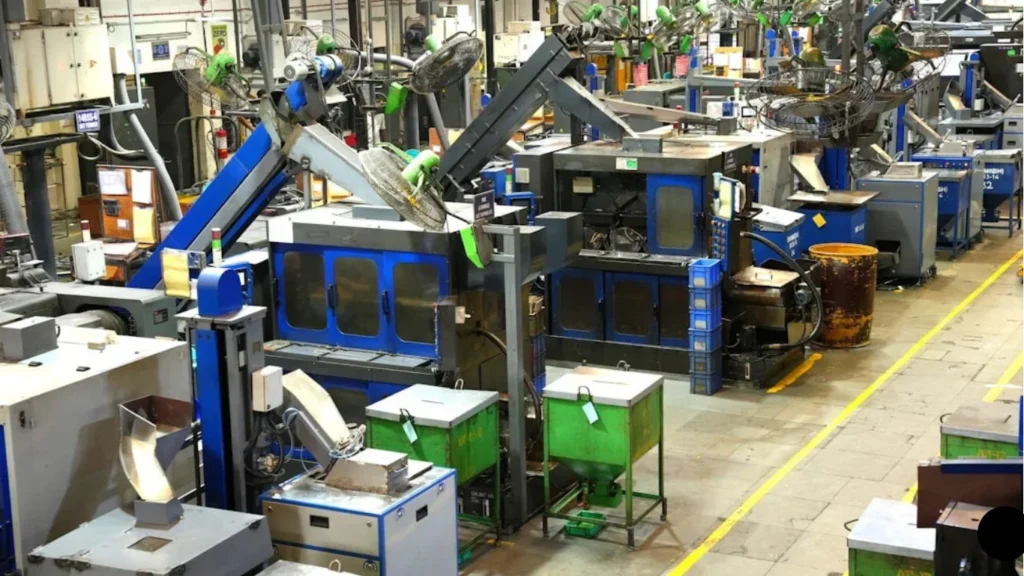
This blend of traditional and innovative materials, combined with the sheer scale of manufacturing, forms the backbone of our modern home infrastructure. The choices made in material selection, construction methods, and maintenance practices ripple through our economy, influencing everything from job creation and GDP growth to the long-term resilience of our communities.
Maintaining Mechanical and Fluid Systems
The unseen networks of pipes, ducts, and wires within our homes are its lifeblood, constantly working to provide comfort, safety, and convenience. Maintaining these mechanical and fluid systems is paramount for the longevity and efficiency of any home.
Central air conditioning and heating systems, for example, are complex networks that rely on interconnected components to regulate indoor temperatures. Whether it’s a traditional central AC system with extensive ductwork or a more modern ductless mini-split setup, regular maintenance is crucial. Central AC systems are often the most cost-effective choice for larger homes with existing ductwork, providing whole-home cooling. Ductless mini-splits, conversely, offer individual air handlers for specific rooms or zones, making them ideal for homes without existing ducts, additions, or for precise zoned control.
Choosing between these systems often depends on your home’s layout, existing infrastructure, and budget. Here’s a brief comparison:
Feature Central HVAC Ductless Mini-Splits Coverage Whole home Zoned, individual rooms or areas Ductwork Requires extensive ductwork No ductwork needed Installation More complex if ductwork isn’t present Easier, especially for additions or specific areas Efficiency Efficient for whole-home uniform cooling Highly efficient for zoned cooling, less energy waste CostLower initial cost if ducts exist Higher initial cost per zone, but lower operating cost for specific areas Flexibility Less flexible for individual room control High flexibility for individual room temperature control Air Quality Filters entire home’s air Filters air in specific zones Maintenance Regular filter changes, professional checks Regular filter cleaning, professional checks Proper maintenance, including regular filter changes and professional inspections, ensures optimal energy efficiency and extends the system’s lifespan. In regions like Florida, with its high humidity and heat, effective humidity management is also a critical aspect of HVAC performance and indoor air quality.
For the fluid systems, PVC pipes and fittings are foundational. They transport water for drinking, bathing, and waste removal. Regular plumbing system maintenance is essential to prevent leaks, blockages, and potential water damage, which can compromise the structural integrity of a home. This includes checking for drips, ensuring proper drainage, and addressing any unusual noises from pipes. Water conservation is also a key consideration, with efficient plumbing systems contributing to lower utility bills and reduced environmental impact. The longevity of these systems, whether HVAC or plumbing, is directly tied to the quality of their initial installation and the consistency of their upkeep.
Digital Foundations and Electrical Resilience
In April 2026, our homes are increasingly intertwined with digital technology, making a robust digital and electrical infrastructure more critical than ever. This foundation supports everything from essential lighting and appliances to sophisticated smart home systems and artificial intelligence integrations.
Networking as Essential Home Infrastructure
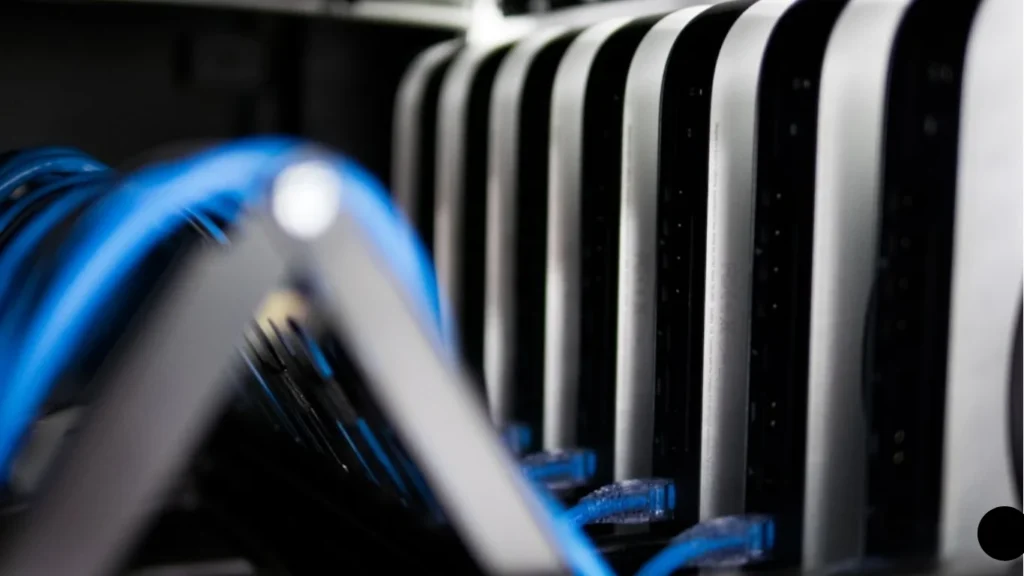
The smart home revolution is no longer a futuristic concept; it’s here. Smart home upgrades are becoming the default, and the underlying network infrastructure is what determines their reliability. Just as roads connect cities, Cat 6A and fiber optic cabling connect devices within our homes, providing the backbone for seamless communication. For any home aiming for true smart integration, a wired backbone is indispensable. While Wi-Fi standards like Wi-Fi 7 are constantly improving, wired Ethernet provides predictable performance and lower latency, essential for high-bandwidth applications like 4K streaming, gaming, and the growing number of AI-driven devices.
A well-designed smart home network often incorporates elements like Power over Ethernet (PoE) switches, which deliver both data and power to devices like security cameras and access points, simplifying installation. VLAN (Virtual Local Area Network) segmentation is also crucial, allowing homeowners to isolate different types of traffic—such as trusted devices, IoT gadgets, and guest networks—to enhance security and prevent network congestion. The average U.S. household already has around 25 connected devices, and fully automated homes can easily reach 75-100 or more. This device density necessitates enterprise-grade solutions, including robust access points and managed switches, to ensure all systems operate without frustrating delays. Standards like Matter and Thread are also gaining traction, aiming to improve interoperability between devices from different manufacturers, further solidifying the need for a versatile and resilient network.
Sustainable Practices for Home Infrastructure
Beyond functionality, the environmental impact of our home infrastructure choices is a growing concern. Sustainable materials and green infrastructure practices are vital for improving home efficiency and reducing our ecological footprint. The production of traditional building materials like concrete, for instance, is highly resource-intensive, contributing up to 8% of the world’s greenhouse gas emissions and consuming a tenth of its industrial water usage. Considering there is twice as much concrete used in construction than all other building materials combined, the potential for improvement is immense.
This highlights the importance of innovations like recycled PVC and low-carbon concrete. As mentioned earlier, companies are increasingly utilizing post-industrial recycled materials in their products, reducing waste and the demand for virgin resources. Green building practices extend to energy audits, which help identify areas for improvement in home insulation, window efficiency, and HVAC systems. Nature-based solutions, such as green roofs or permeable pavements, can also be integrated into home infrastructure to manage stormwater, reduce urban heat island effects, and enhance biodiversity. These efforts not only contribute to a healthier planet but also lead to significant energy savings and improved indoor air quality for homeowners. The concept of “smart cities” often includes these nature-based solutions and integrated sustainable technologies at a broader scale, demonstrating a future where individual home infrastructure aligns with larger environmental goals.
Electrical Resilience
Electrical systems are the literal power lines of our homes. From the circuit breakers that protect against overloads to the Ground Fault Circuit Interrupter (GFCI) outlets that prevent electrical shocks in moisture-prone areas like kitchens and bathrooms, every component plays a critical role. In places like Bradenton, Florida, the humid coastal climate heightens the need for robust electrical safety measures, making GFCI outlets mandatory in many areas by code.
However, even the best electrical systems can be affected by external factors like power outages, which are particularly common during summer storms. To ensure continuous operation of critical home systems, homeowners are increasingly investing in solutions like standby generators and Uninterruptible Power Supply (UPS) systems. Standby generators automatically kick in when the power goes out, ensuring that essential appliances, HVAC, and security systems remain operational. UPS systems provide temporary power for sensitive electronics like routers, modems, and smart home hubs, allowing for a graceful shutdown or bridging short outages. Proper sizing and installation, adhering to local code compliance, and regular maintenance are crucial for the safe and effective operation of these backup power solutions. Load management, which involves prioritizing which appliances receive power during an outage, also plays a key role in maximizing the efficiency of these systems.
Policy, Economy, and Environmental Impact
The conversation around “home infrastructure” extends far beyond individual dwellings to encompass broader societal and economic implications. Recognizing housing as a fundamental pillar of infrastructure, much like roads and utilities, has gained significant traction in recent years. This perspective underscores that safe, stable, and affordable housing is not just a personal commodity but a critical component of a thriving economy and a healthy society.
Legislative efforts, such as the Housing for the 21st Century Act, introduced by Representative Norma Torres, highlight this shift. This act, along with other initiatives like the New Democrat Coalition Housing Affordability Agenda, aims to address the severe housing shortage in the U.S. by expanding supply and lowering costs. By April 2026, such policies are seen as essential for tackling the national need for millions of additional homes. Similarly, Emergency Rental Assistance (ERA) programs, initially designed to address immediate financial distress during crises, are now being viewed as catalysts for building long-term housing stability infrastructure. These programs can fund housing stability services like eviction prevention, mediation, counseling, and legal aid, helping to break cycles of housing instability and promote economic mobility for vulnerable families.
Investing in housing infrastructure yields significant economic benefits. Construction and maintenance of housing create jobs, stimulate local economies, and contribute to GDP growth. For example, every dollar spent on capital and maintenance funding for public housing generates an impressive $2.12 in total regional spending. This regional spending multiplier effect demonstrates how housing investments ripple through communities, supporting local businesses and generating tax revenue. Affordable housing, in particular, is recognized for its role in poverty reduction and workforce attraction, especially in rural areas where a lack of housing can hinder economic development.
Despite its critical importance, U.S. infrastructure, including housing, faces significant challenges. The American Society of Civil Engineers (ASCE) has given U.S. infrastructure an overall rating of ‘D+’, indicating widespread underinvestment and deterioration. This underinvestment is a long-standing issue; from the 1930s to 2019, U.S. spending on infrastructure dropped from 4.2% of GDP to 2.5%. Projections indicate a $2 trillion underinvestment in infrastructure between 2016 and 2025. These challenges, coupled with supply shortages in the housing market, directly impact families, leading to rising rents, unaffordable home prices, and increased housing instability.
Organizations like the Housing Alliance of Pennsylvania demonstrate housing’s multifaceted role in community development. They advocate for housing as a core infrastructure component, emphasizing its impact on poverty reduction, health outcomes, and educational attainment. By framing housing as infrastructure, advocates aim to build public support for policies that prioritize investment in safe, affordable homes.
Looking ahead, future trends like smart cities and nature-based solutions are shaping the evolution of home and housing infrastructure. Smart cities integrate technology to improve efficiency and sustainability, often incorporating advanced building materials and intelligent systems at a community level. Nature-based solutions, such as urban green spaces and sustainable drainage systems, enhance environmental resilience and quality of life. These trends underscore a holistic approach to infrastructure, recognizing the interconnectedness of individual homes, communities, and the environment.
Frequently Asked Questions about Housing Infrastructure
Why is affordable housing classified as infrastructure?
Affordable housing is classified as infrastructure because it provides the foundational stability necessary for individuals and communities to thrive, much like roads or utilities. Without stable housing, it’s challenging for people to maintain jobs, access education, or achieve economic mobility. It supports the workforce, reduces poverty, and stimulates local economies through construction and related services. When people have secure housing, they are healthier, more productive, and contribute more effectively to society, making it an essential public good.
How does the current D+ infrastructure rating affect homeowners?
The ‘D+’ rating for U.S. infrastructure, as given by the ASCE, has significant implications for homeowners. It signifies aging and inadequate public systems like water pipes, roads, and power grids. For homeowners, this can translate to more frequent utility outages, higher maintenance costs for their own home connections (e.g., repairing pipes due to municipal water main breaks), and increased insurance premiums. It can also impact property values and the overall quality of life in a community, as unreliable public infrastructure makes an area less desirable.
What are the primary benefits of investing in smart home networking?
Investing in smart home networking offers numerous benefits, primarily enhanced convenience, improved security, and greater energy efficiency. A robust network allows for seamless integration and control of smart devices, from lighting and thermostats to security cameras and entertainment systems. This leads to features like automated climate control, remote monitoring of your home, and personalized comfort settings. The ability to monitor and manage energy consumption can lead to significant savings on utility bills, while advanced security features provide peace of mind. Furthermore, a well-planned smart home network future-proofs your property, increasing its appeal and value.
Conclusion
Our homes are dynamic ecosystems, constantly interacting with the broader infrastructure that supports our daily lives. From the durable materials that form their physical shell to the intricate mechanical, electrical, and digital systems within, every component contributes to our comfort, safety, and well-being. As we look towards April 2026 and beyond, the importance of a well-maintained and resilient home infrastructure cannot be overstated.
The journey to a truly future-proofed home involves a holistic approach. It means recognizing the value of sustainable materials, embracing smart technologies, and understanding the economic and social impact of housing as a critical piece of national infrastructure. Proactive maintenance, from ensuring your HVAC system runs efficiently to safeguarding your plumbing and electrical networks, is not merely a chore—it’s a long-term investment in your property and your quality of life.
By prioritizing infrastructure resilience, embracing sustainable growth, and staying informed about future trends, we can ensure our homes remain safe, efficient, and comfortable havens for generations to come.