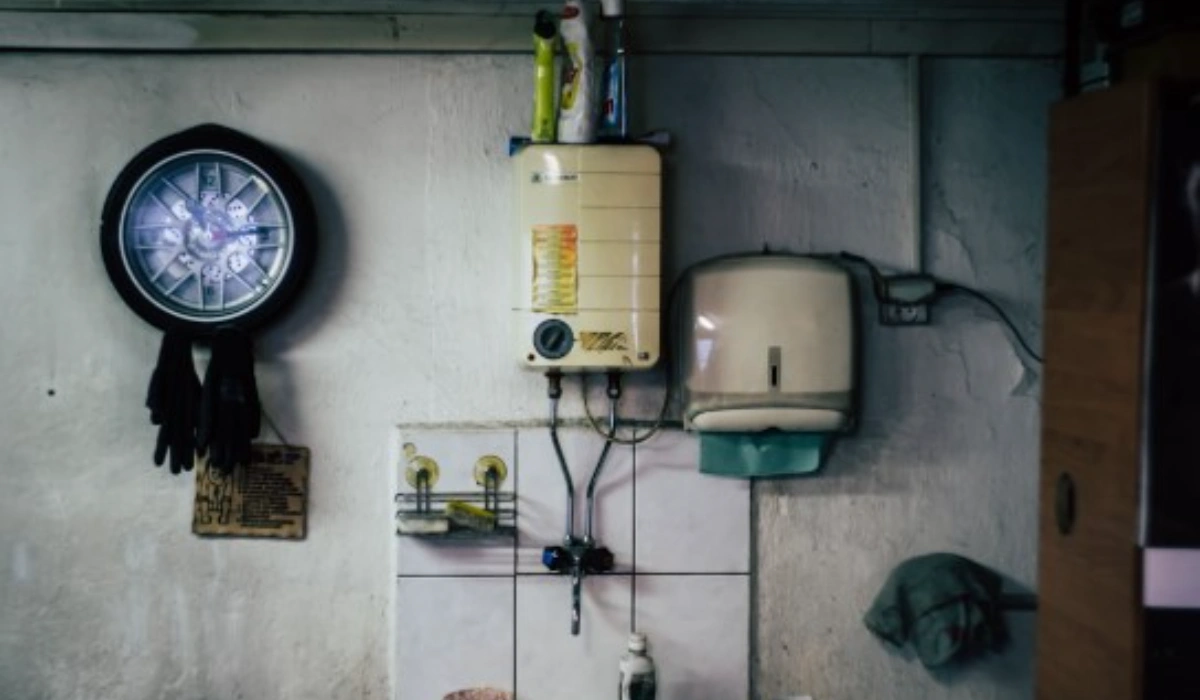
Tankless water heaters have become a cornerstone of modern home comfort, particularly in communities like Natick, MA, where homeowners seek both efficiency and convenience. Unlike traditional tank-style heaters that continuously heat and store water, tankless units provide hot water on demand, eliminating standby energy loss. This innovative approach translates directly into significant energy savings, a crucial benefit in Massachusetts’ varying climate.
The advantages extend beyond just energy efficiency. Tankless systems are remarkably compact, often mounted on a wall, freeing up valuable floor space that a bulky traditional tank would occupy. This space-saving design is especially appealing in Natick homes where square footage can be at a premium. Furthermore, the continuous supply of hot water means no more cold showers, even during peak usage times. For those considering upgrades, tankless water heaters can also enhance property value, signaling a modern, energy-conscious home to potential buyers.
Their longer lifespan, often double that of conventional units, and reduced environmental footprint through lower energy consumption make them a sustainable choice for the future. To learn more about the comprehensive services available for these advanced systems, including expert installation and repair, we encourage you to explore resources like Blue Bear Natick tankless plumbing.
Integrating Efficiency into Plumbing and HVAC Services
The integration of high-efficiency tankless water heaters into Natick homes aligns perfectly with broader initiatives aimed at energy conservation. In Massachusetts, programs like Mass Save offer valuable incentives and rebates, sometimes up to $700, for the installation of energy-efficient appliances, including heat pumps and heat pump water heaters. These financial benefits make the transition to tankless technology even more attractive for homeowners looking to reduce their carbon footprint and save on utility bills.
When considering a tankless system, sizing is key. Professionals assess a household’s peak hot water usage to recommend a unit with the appropriate flow rate (Gallons Per Minute or GPM), ensuring that even large families have an uninterrupted supply. This careful consideration ensures optimal performance and maximum energy savings, contributing to overall home efficiency and comfort throughout the year, regardless of Natick’s seasonal weather shifts.
Common Indicators for Tankless Water Heater Repair in Natick
Even the most advanced tankless water heaters, while highly reliable, can encounter issues that necessitate professional repair. Recognizing these common problems early can prevent more extensive damage and costly interventions. In Natick, MA, where water quality can sometimes contribute to appliance wear, certain issues are more prevalent.
One of the most frequent culprits behind tankless water heater malfunctions is mineral scale buildup. Natick, like many areas, can experience hard water, which contains dissolved minerals such as calcium and magnesium. Over time, these minerals can precipitate and accumulate on the heating elements and within the water lines of the unit. This buildup acts as an insulator, reducing heating efficiency and restricting water flow. Signs of hard water issues affecting tankless water heaters include reduced hot water temperature or pressure, and sometimes even strange noises as water struggles to pass through constricted pipes. Professional descaling and flushing are the primary methods to repair and mitigate these effects.
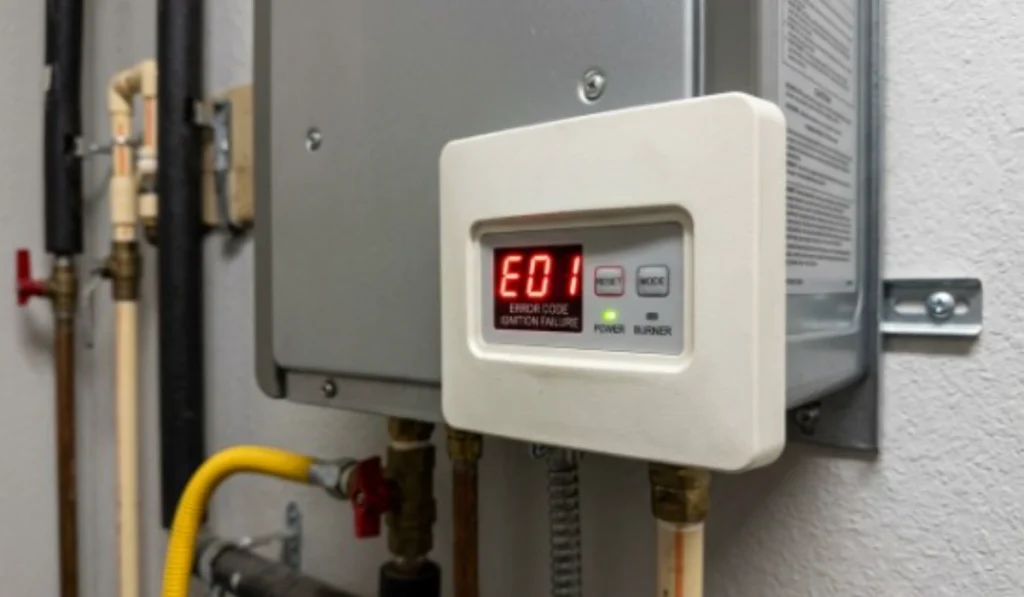
Another common problem is ignition failure or flame failure. Tankless units rely on a precise ignition sequence to heat water. If the igniter is faulty, the gas valve is obstructed, or the flame sensor is dirty, the unit may fail to ignite or the flame may not sustain, leading to a complete lack of hot water. This often triggers an error code on the unit’s digital display.
Inconsistent water temperatures are another clear indicator that something is amiss. This could manifest as sudden bursts of cold water during a shower or water that never reaches the desired temperature. Potential causes range from a faulty thermostat or flow sensor to, again, scale buildup affecting heat transfer.
Homeowners might also notice strange rumbling, banging, or hissing noisesemanating from their unit. While traditional tank heaters often make noises due to sediment, in tankless units, these sounds can indicate mineral buildup, a loose component, or even issues with the fan or pump.Finally, error codes displayed on the unit’s digital panel are perhaps the most direct sign that professional attention is required. Each code corresponds to a specific issue, guiding technicians toward a swift and accurate diagnosis. Attempting to clear error codes without understanding their root cause can lead to recurring problems or further damage.
When any of these signs appear, it’s a strong signal that your tankless water heater needs professional repair. Neglecting these warnings can not only lead to a complete system breakdown but also potentially compromise the unit’s efficiency and lifespan.
How to Maintain Your Tankless System for Longevity
Regular maintenance is paramount to ensuring the optimal performance, energy efficiency, and extended lifespan of your tankless water heater. Just as you service your car, your tankless system benefits immensely from routine care. This proactive approach can prevent many of the common repair issues seen in Natick, especially those related to hard water.
Here are key maintenance steps for your tankless system:
- Annual Professional Flushing and Descaling: This is arguably the most critical maintenance task for tankless water heaters, particularly in areas with hard water. A professional technician will connect hoses to the unit’s service ports and circulate a specialized descaling solution through the system. This solution dissolves mineral deposits and scale buildup from the heat exchanger, restoring efficiency and preventing blockages. While some DIY enthusiasts might attempt this, the process requires specific equipment and knowledge to ensure proper execution and safety.
- Water Filter Cleaning/Replacement: Many tankless units are equipped with an internal water filter or homeowners may have an external whole-house filter. Regularly cleaning or replacing these filters prevents sediment and debris from entering the unit and causing clogs or damage.
- Intake Screen Inspection: The air intake screen on gas tankless units can accumulate dust and debris, restricting airflow and affecting combustion efficiency. A technician will inspect and clean this screen during annual service.
- Ventilation System Check: For gas tankless units, proper venting is crucial for safety and efficiency. Professionals will inspect the exhaust vents for blockages, leaks, or corrosion, ensuring that harmful gases are safely expelled.
- Ignition and Flame Sensor Cleaning: A dirty ignition electrode or flame sensor can lead to ignition failures. Technicians will clean these components to ensure reliable operation.
- General Inspection of Components: This includes checking for leaks, inspecting gas and water connections, and verifying the proper operation of all safety devices and controls.
Regular maintenance, ideally performed annually by a qualified professional, is directly linked to the typical lifespan of a tankless water heater. While a well-maintained unit can last 20 years or more, neglected systems may fail much earlier, sometimes within 10-15 years. The investment in annual service is often offset by reduced energy bills, fewer repair calls, and the extended life of the appliance.
Neglecting tankless water heater maintenance or repair carries several potential risks. Beyond the inconvenience of no hot water, a scaled-up unit will work harder, consuming more energy and leading to higher utility bills. Unaddressed issues can escalate into major component failures, resulting in expensive repairs or even premature replacement. In severe cases, particularly with gas units, improper venting or fuel supply issues dueated by lack of maintenance could pose safety hazards.
Here’s a comparison of typical DIY maintenance tasks versus those best left to professionals:
DIY Maintenance Tasks Professional Repair/Maintenance Requirements Checking and Cleaning External FiltersAnnual System Flush and Descaling(requires specialized pump and solution) Wiping Down Exterior of Unit Inspection and Cleaning of Internal Components(e.g., igniter, flame sensor) Monitoring for Leaks and Error Codes Ventilation System Inspection and Clearance (for gas units) Ensuring Proper Airflow Around Unit Gas Line and Water Connection Integrity Checks Resetting Unit (if safe and instructed by manual)Diagnosis and Repair of Complex Error Codes Inspecting Water Shut-off ValvesReplacement of Worn or Faulty Parts(e.g., sensors, valves, heat exchanger) Warranty Compliance MaintenanceWhile homeowners can perform basic checks, the specialized nature of tankless systems means that comprehensive annual service by a licensed professional is essential for their longevity and efficient operation. This is particularly true for tasks like flushing and descaling, which require specific tools and expertise.
Local Regulations and Professional Standards for Plumbing and HVAC Services
In Natick, MA, as in the rest of Massachusetts, the installation and repair of water heaters, including tankless models, are subject to specific local regulations and state codes designed to ensure safety and proper functionality. These regulations are crucial for protecting homeowners and maintaining the integrity of plumbing and gas systems.
Massachusetts law requires permits for water heater installation, and these permits can only be obtained by licensed plumbers or gas fitters. This stringent requirement underscores the importance of hiring qualified professionals for any work on your tankless system. Licensed technicians are well-versed in the state’s safety codes, which cover aspects like proper venting requirements for gas-fired units, appropriate sizing of gas lines, and safe electrical connections for electric models. Adherence to these codes is not just about compliance; it’s about preventing hazards such as carbon monoxide leaks, water damage, or electrical fires.
Local Natick infrastructure and climate also play a role. For instance, the colder New England climate means proper insulation and freeze protection are vital for outdoor-installed tankless units or exposed piping. A qualified technician will understand these local nuances and ensure the installation or repair meets all necessary standards, taking into account the specific conditions of your Natick home.
Professional Standards for Plumbing and HVAC Services
When seeking the “best” tankless water heater repair in Natick, MA, homeowners should look beyond just quick fixes and consider the professional standards of the service provider. A truly qualified tankless water heater repair technician in Natick, MA, will possess several key attributes:
- Licensing and Certification: Ensure the technician is a licensed plumber or gas fitter in Massachusetts. This guarantees they have met state requirements for training and expertise. Many reputable companies also ensure their technicians are factory-trained or certified by specific tankless water heater manufacturers (e.g., Rinnai, Navien, AO Smith), indicating specialized knowledge of these complex systems.
- Experience and Local Expertise: Look for companies with a long-standing presence in Natick and a proven track record. Companies that have served the area for decades, like some mentioned in our research, often have a deep understanding of local plumbing challenges, water quality issues, and common appliance problems specific to the region.
- Transparent Communication and Upfront Pricing: A reputable technician will clearly explain the diagnosis, the necessary repairs, and the associated costs before any work begins. This eliminates surprises and builds trust.
- Emergency Service Availability: Water heater issues don’t always happen during business hours. The best providers offer 24/7 emergency services, minimizing disruption and potential damage.
- Satisfaction Guarantees and Warranties: A commitment to customer satisfaction, often backed by a warranty on parts and labor, is a hallmark of quality service. For example, some companies offer a 90-day warranty on repairs or a 6-year warranty on new installations.
- Preventative Maintenance Plans: Top-tier service providers often offer maintenance plans that include annual flushing and inspections. These plans are an excellent way to ensure your tankless unit receives regular care, extending its lifespan and preventing unexpected breakdowns.
Choosing a technician who adheres to these professional standards ensures not only an effective repair but also peace of mind, knowing that your home’s comfort and safety are in capable hands.
Frequently Asked Questions about Natick Tankless Systems
Homeowners in Natick often have specific questions about their tankless water heaters, especially concerning maintenance, longevity, and local environmental factors. Here, we address some of the most common inquiries.
How often should I have my tankless water heater flushed in Natick?
Given that Natick, MA, can experience hard water conditions, we strongly recommend having your tankless water heater professionally flushed and descaled annually. This preventative maintenance step is crucial for removing mineral buildup that can otherwise reduce efficiency, restrict water flow, and lead to premature component failure. Regular flushing ensures your unit continues to operate at peak performance, providing consistent hot water and maximizing its lifespan.
What is the typical lifespan of a tankless water heater compared to a traditional tank?
A well-maintained tankless water heater typically boasts a significantly longer lifespan than its traditional tank-style counterpart. While a conventional tank water heater usually lasts 10 to 15 years, a tankless unit can often last 20 years or more. This extended longevity is largely due to the absence of a storage tank, which is prone to rust and corrosion, and the ability to replace individual components rather than the entire unit. However, this longer lifespan is heavily dependent on consistent and proper maintenance, particularly annual flushing.
How does hard water in Massachusetts affect my tankless unit’s performance?
Hard water, common in many parts of Massachusetts, contains high levels of dissolved minerals like calcium and magnesium. In tankless water heaters, these minerals can precipitate out of the water when heated, forming scale buildup on the heat exchanger and inside the water lines. This scale acts as an insulator, making the unit work harder to heat water, thus reducing its energy efficiency and increasing your utility bills. It can also restrict water flow, leading to decreased hot water pressure, and even cause damage to internal components over time. The primary solution for mitigating hard water’s effects is regular, professional descaling and flushing, as mentioned above. Installing a whole-house water softener can also be a highly effective long-term solution to prevent scale formation.
Conclusion
Ensuring the longevity and efficiency of your tankless water heater in Natick, MA, is a commitment to continuous home comfort and energy savings. As we move through May 2026, the technology behind these systems continues to advance, but the core principles of reliable operation remain rooted in proactive care and expert intervention. From understanding the benefits of on-demand heating to recognizing the subtle signs of impending trouble, homeowners play a crucial role in maintaining their systems.
The best tankless water heater repair in Natick isn’t just about fixing a problem; it’s about partnering with qualified professionals who embody expertise, adhere to local regulations, and prioritize your home’s safety and efficiency. By investing in annual maintenance, being vigilant about common indicators of repair needs, and choosing licensed, experienced technicians, you ensure system reliability and long-term efficiency. This proactive approach to system care not only extends the life of your appliance but also guarantees consistent hot water, contributing to the overall comfort and value of your Natick home.