A healthy tree adds beauty, shade, and value to your property. It also provides habitat for wildlife, improves air quality, and helps keep your garden cooler during Australia’s hot summers.
Unfortunately, trees don’t always show obvious signs when they’re struggling. By the time leaves begin falling or branches start dying, the problem may have been developing for months or even years.
Knowing what to look for can help you act early, giving your tree the best chance of recovery while reducing the risk of falling branches or costly removal. We spoke to AB Trees in Perth and this is what they advise.
1. Dead or Dying Branches
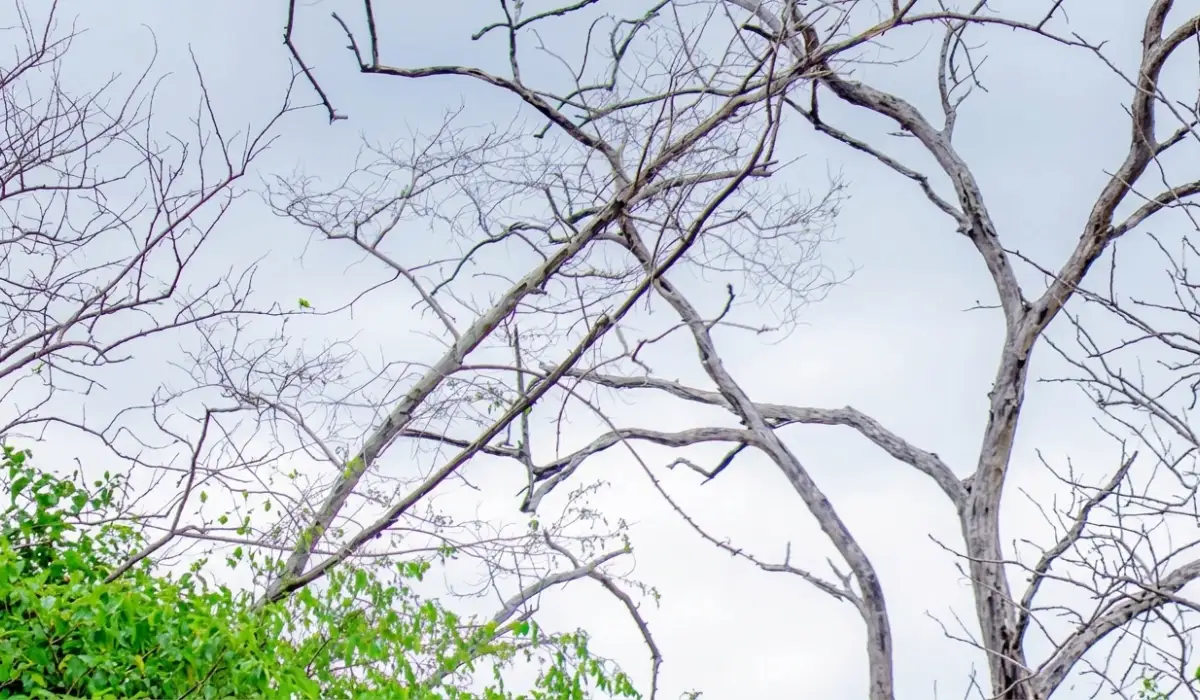
One of the first signs of a declining tree is the appearance of dead branches, particularly in the upper canopy.
You may notice:
- Branches with no leaves during the growing season
- Brittle limbs that snap easily
- Twigs that fail the “scratch test” (green beneath the bark means they’re still alive)
While a few dead branches are normal on mature trees, widespread dieback usually indicates a more serious issue.
2. Leaves That Look Unhealthy
Your tree’s foliage often provides the earliest warning signs.
Watch for:
- Yellowing leaves outside seasonal changes
- Brown edges or scorched leaves
- Smaller than normal foliage
- Sparse leaf coverage
- Leaves dropping early
These symptoms may result from drought, poor soil, pests, disease, root damage, or nutrient deficiencies.
3. Cracks in the Trunk
Deep cracks or splits in the trunk should never be ignored.
Large cracks can weaken the tree’s structure and allow fungi, insects, and disease to enter. Depending on their size and location, they may indicate internal decay or structural instability.
If a crack appears after a storm, seek professional advice promptly.
4. Fungal Growth Around the Base
Mushrooms growing near the trunk or around exposed roots can be a sign that the tree’s root system is decaying.
While not every fungus is harmful, some species indicate advanced internal rot that cannot be seen from the outside.
A professional inspection can determine whether the tree is structurally safe.
5. Bark Falling Off
Healthy bark protects the tree from disease and pests.
If bark begins peeling away in large sections or falls off unexpectedly, it may indicate:
- Disease
- Heat stress
- Pest infestation
- Internal decay
Trees rarely regrow bark over large damaged areas, making early diagnosis important.
6. Leaning More Than Before
Some trees naturally grow at an angle, but a tree that suddenly begins leaning deserves immediate attention.
This could indicate:
- Root failure
- Soil movement
- Storm damage
- Internal structural weakness
A leaning tree can quickly become hazardous, particularly after heavy rain or strong winds.
7. Pest Infestations
Insects often attack stressed trees before healthy ones.
Look for signs such as:
- Small holes in the trunk
- Sawdust around the base
- Visible insect activity
- Tunnels beneath the bark
Termites, borers, and other insects can accelerate the decline of an already weakened tree.
8. Hollow or Decaying Trunk
Trees can survive with some internal hollowing, but extensive decay significantly reduces structural strength.
Warning signs include:
- Hollow sounds when tapped
- Cavities in the trunk
- Soft or crumbling timber
- Large dead sections
An arborist can assess whether the tree remains safe or requires removal.
Common Causes of Tree Decline
Many tree problems develop gradually over time.
Some of the most common causes include:
- Extended drought
- Overwatering
- Poor drainage
- Root damage from construction
- Soil compaction
- Nutrient deficiencies
- Fungal diseases
- Pest infestations
- Storm damage
- Age-related decline
Identifying the underlying cause is the first step towards saving the tree.
Can a Dying Tree Be Saved?
In many cases, yes.
If caught early, treatments may include:
- Professional pruning
- Soil improvement
- Mulching
- Targeted fertilising
- Pest management
- Disease treatment
- Improved watering practices
The sooner the issue is identified, the greater the chance of recovery.
When Tree Removal Is the Better Option
Sometimes removal is the safest solution.
This may be necessary if:
- Most of the canopy has died
- The trunk has severe decay
- The roots are failing
- The tree poses a safety risk
- Recovery is unlikely
Removing a dangerous tree before it fails can prevent damage to homes, vehicles, fences, and nearby structures.
Preventing Tree Problems
Routine maintenance is the best way to keep trees healthy.
Good practices include:
- Watering during extended dry periods
- Applying mulch correctly around the base
- Avoiding damage to roots during landscaping
- Removing dead branches promptly
- Scheduling regular tree inspections
- Monitoring for pests and disease
Healthy trees are generally more resilient to environmental stress and recover faster from storms.
Need Professional Advice?
If you’ve noticed changes in your tree’s health, don’t wait until the problem becomes dangerous.
A qualified arborist can assess the tree, identify the cause of decline, and recommend whether pruning, treatment, or removal is the most appropriate solution.
Early intervention can often extend the life of your tree while helping protect your property and everyone around it.
Frequently Asked Questions
How can I tell if my tree is dying or just dormant?
Dormant trees naturally lose their leaves during certain seasons but should still have flexible branches and green tissue beneath the bark. A dying tree typically has brittle branches, widespread dieback, and no green layer under the bark.
Can a tree recover after losing most of its leaves?
It depends on the cause. Trees suffering from temporary stress may recover with proper care, while severe disease, root damage, or extensive decay may be irreversible.
Should I remove dead branches myself?
Small branches may be safe to prune, but large or high branches should always be handled by a qualified arborist due to the safety risks involved.
Is fungus growing near my tree always a bad sign?
Not always. However, mushrooms around the trunk or roots can indicate internal decay, so it’s worth having the tree professionally inspected.
How often should trees be inspected?
For mature trees, an inspection every one to three years is generally recommended, with additional checks after major storms or if you notice changes in the tree’s appearance.