Have you ever walked into an older home and loved its charm but questioned its practicality? Many older houses in Cincinnati still attract buyers with historic details and strong craftsmanship. At the same time, modern lifestyles demand better layouts, stronger infrastructure, and greater energy efficiency. Rising renovation costs and changing housing trends have pushed more homeowners toward upgrading instead of relocating. Still, cosmetic changes alone rarely solve deeper structural or functional issues.
Strategic updates help older homes remain comfortable, efficient, and valuable without losing their original character. In this blog, we will share why thoughtful renovations help older homes stay functional in a rapidly changing world.
Modern Life Has Outgrown Many Older Layouts
Older homes were built for lifestyles that barely resemble modern routines. Decades ago, families gathered around one television and shared a single phone line. Today, people work remotely, stream entertainment constantly, and charge several devices every day. Many homes simply were not designed for that level of demand.
The problem often begins with layout limitations. Smaller kitchens once worked because families spent less time entertaining at home. Closed-off rooms helped contain heat before advanced insulation became common. Those designs made sense historically. They feel restrictive now.
Storage becomes another issue quickly. Older homes rarely include walk-in closets or organized utility spaces. Homeowners end up stuffing seasonal decorations beside water heaters like participants in a strange reality show challenge.
This is why many people turn to a reliable Cincinnati remodeling contractor when updating older properties. Strategic renovations create better flow without erasing architectural character. Walls can open carefully. Basements can become functional offices or guest suites. Kitchens can support modern appliances without looking disconnected from the home’s original style.
Technology also exposes outdated systems faster than ever before. One overloaded circuit can trigger problems throughout the house. Internet dead zones suddenly matter because online meetings now happen at dining room tables. Homes built before air conditioning became standard also struggle during increasingly intense summers.
The irony feels almost poetic. Houses once considered spacious now feel cramped because modern life requires more invisible infrastructure. Good renovations address those evolving needs without turning the home into something unrecognizable.
Aging Systems Create Expensive Surprises
Many homeowners focus on visible imperfections first. Peeling paint feels urgent because it is impossible to ignore. Hidden problems rarely receive the same attention until disaster appears dramatically at midnight.
Older plumbing systems create some of the most expensive emergencies. Pipes deteriorate slowly over decades. Small leaks develop quietly behind walls and under floors. Then one day, ceilings begin dripping during dinner. Suddenly, everyone becomes deeply interested in pipe materials.
Electrical systems present similar risks. Older homes often contain outdated panels that struggle with modern energy demands. Hair dryers, gaming consoles, and kitchen appliances compete for power constantly. The system was never built for that pressure.
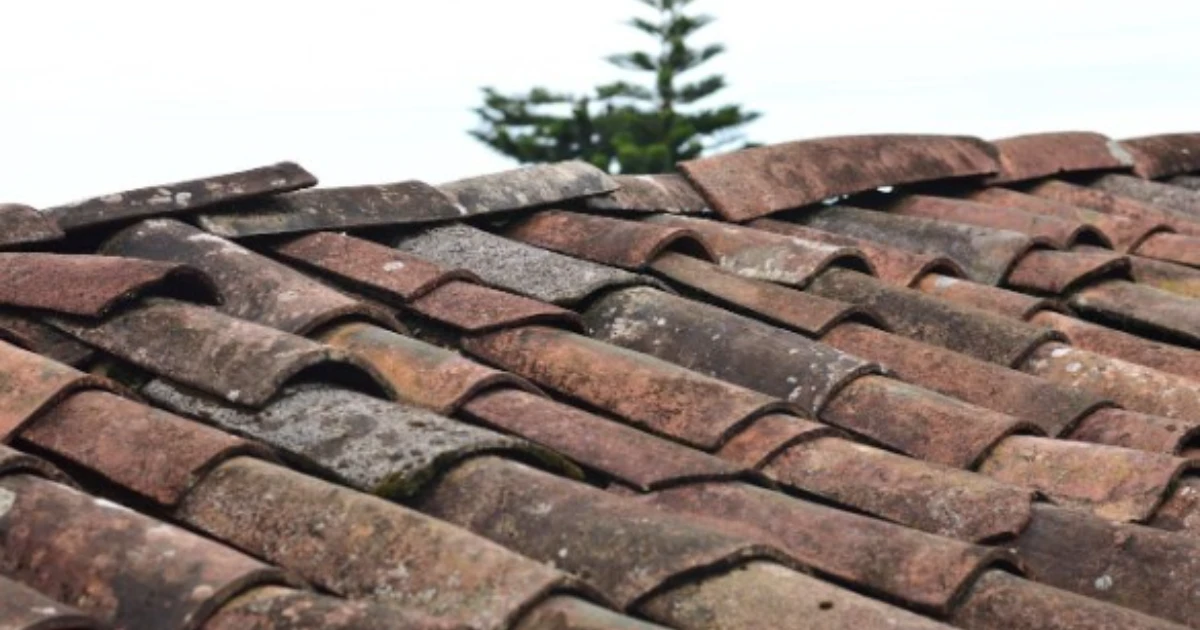
Roofing issues also become more complicated with age. Water damage spreads silently and weakens structural materials over time. Homeowners sometimes discover massive repairs hiding beneath relatively minor stains.
Strategic updates prevent these situations from spiraling into financial chaos. Replacing outdated systems may feel less exciting than cosmetic upgrades, but functionality depends on infrastructure. Reliable homes require stable foundations behind the walls.
Climate patterns have added another layer of urgency. Extreme weather events now happen more frequently across the country. Older homes face greater stress from heat waves, storms, and sudden temperature swings. Houses built generations ago need reinforcement to handle those changing conditions effectively.
Ignoring these issues rarely saves money long term. It usually postpones larger expenses while increasing inconvenience dramatically.
Energy Efficiency Has Become a Practical Necessity
Energy efficiency once sounded optional to many homeowners. Today, utility bills tell a very different story. Rising energy costs have transformed efficiency from a trendy concept into a financial priority.
Older homes lose energy constantly through outdated windows, poor insulation, and aging HVAC systems. Many homeowners experience the same strange ritual every winter. One room feels tropical while another resembles outdoor camping conditions.
Modern upgrades create immediate improvements in comfort and cost management. Better insulation stabilizes indoor temperatures throughout the year. Updated windows reduce drafts and noise pollution simultaneously. Efficient heating systems consume less energy while performing more effectively.
These changes also affect resale value significantly. Buyers increasingly pay attention to monthly operating costs before purchasing homes. Expensive utility bills can discourage interest quickly, especially during uncertain economic periods.
Environmental awareness has influenced homeowner decisions as well. Many people want houses that consume fewer resources without sacrificing comfort. Strategic renovations support that goal realistically.
Smart Updates Help Protect Long-Term Value
Home values depend on more than appearance alone. Functionality, safety, and adaptability influence market demand heavily. Older homes that receive thoughtful updates usually maintain stronger long-term appeal.
This matters because housing markets continue changing unpredictably. Buyers have become more cautious about hidden maintenance problems. Many want homes that feel move-in ready without immediate renovation pressure.
Strategic improvements help protect your home from everyday wear and tear while supporting future resale opportunities. Durable flooring, moisture-resistant materials, and updated ventilation systems reduce ongoing maintenance issues. Small improvements often prevent larger deterioration later.
Flexibility has become another valuable feature. Homes that support multiple uses attract broader interest. A finished basement may function as a home office today and a guest suite tomorrow. Adaptable spaces carry more practical value in uncertain times.
There is also emotional value attached to preservation. Older homes contribute personality to neighborhoods in ways newer developments sometimes struggle to replicate. Thoughtful renovations allow those properties to remain relevant instead of becoming neglected burdens.
That balance matters deeply. People rarely want homes frozen entirely in the past. They want spaces that honor history while supporting modern living comfortably.
The bottom line here is that older homes continue attracting people because character still matters. Original craftsmanship, established neighborhoods, and unique architectural details create emotional connections that newer houses often lack. Yet, charm alone cannot support modern lifestyles indefinitely.
Strategic updates help these homes remain practical without stripping away their identity. Strong infrastructure, efficient systems, and adaptable layouts create spaces that function better every day. Thoughtful renovations also reduce future expenses while increasing comfort and long-term value.