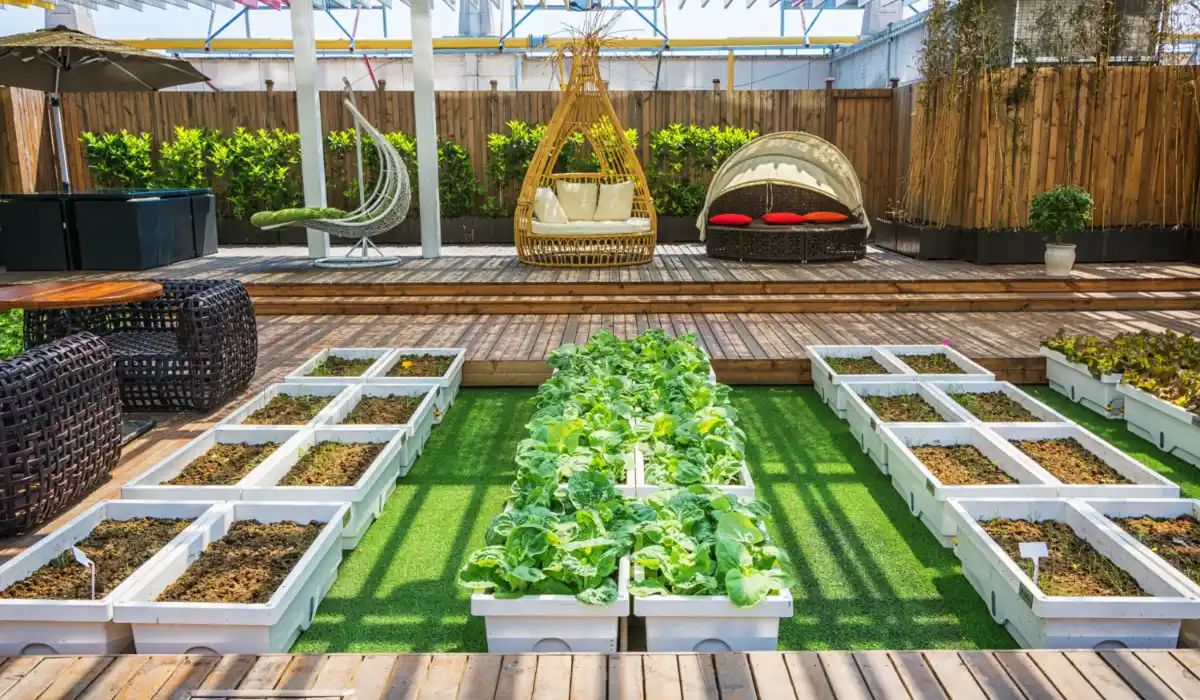
The backyard has evolved far beyond a simple patch of grass. Today, homeowners are investing in thoughtfully designed outdoor spaces that serve as true extensions of the home — places to entertain, relax, and enjoy the outdoors without sacrificing comfort. Whether you are starting from scratch or upgrading an existing patio, the combination of quality shade structures and durable surface materials can completely redefine how you use your outdoor space. From stamped concrete to pergola-style covers, the options available today are both practical and visually stunning.
Why Outdoor Living Spaces Are Worth the Investment
Outdoor living spaces consistently rank among the top home improvement investments in terms of return on value. A well-designed patio not only increases your property’s curb appeal but also adds functional square footage to your home without the cost of a full interior addition. Buyers and appraisers alike recognize the value of a finished outdoor area, particularly when it includes permanent structures like shade covers, quality flooring, and integrated lighting.
Beyond resale value, the lifestyle benefits are immediate. A shaded patio means you can enjoy your backyard even during the hottest months. A durable concrete surface means low maintenance and long-term performance. When these elements are combined with thoughtful design, the result is an outdoor room that genuinely improves daily life.
Choosing the Right Surface: Concrete as a Foundation for Style
Concrete is one of the most versatile and durable materials available for outdoor flooring. Gone are the days when concrete meant a plain gray slab. Modern concrete techniques allow homeowners to achieve the look of natural stone, brick, wood, or tile — all with the structural integrity and longevity that concrete provides. Stamped concrete, exposed aggregate, and colored concrete finishes are among the most popular choices for residential patios today.
Stamped and Decorative Concrete Options
Stamped concrete is created by pressing molds into freshly poured concrete to create patterns that mimic natural materials. Common patterns include flagstone, cobblestone, slate, and wood plank. When paired with integral color or surface stains, stamped concrete can be nearly indistinguishable from more expensive natural materials. It is also significantly easier to maintain, as there are no gaps or joints where weeds can grow or pavers can shift over time. For homeowners looking to explore a wide range of residential concrete ideas, the possibilities extend well beyond the patio — driveways, walkways, pool decks, and garden borders can all benefit from decorative concrete treatments.
Exposed Aggregate and Polished Finishes
Exposed aggregate concrete offers a textured, slip-resistant surface that is ideal for pool surrounds and areas that experience frequent moisture. The finish reveals the natural stones, pebbles, or shells embedded in the concrete mix, creating a visually rich surface with excellent traction. Polished concrete, on the other hand, is more commonly used in covered patio areas or outdoor kitchens where a sleek, refined look is desired. Both finishes are durable, easy to clean, and highly customizable.
Shade Structures: Completing the Outdoor Room
A beautiful concrete patio is only as functional as the environment it creates. Without adequate shade, even the most well-designed outdoor space becomes unusable during peak summer hours. This is where patio covers and shade structures become essential — not just as functional additions, but as architectural elements that define the character of the entire outdoor area.
There are several categories of shade structures to consider. Attached patio covers connect directly to the home and provide seamless coverage over an adjacent outdoor area. Freestanding pergolas and shade sails offer more flexibility in placement and can be used to define zones within a larger backyard. Louvered roof systems represent the premium end of the market, allowing homeowners to adjust the angle of the roof slats to control sunlight and airflow with precision.
Material Choices for Patio Covers
Aluminum is the dominant material in the modern patio cover market, and for good reason. It is lightweight, rust-resistant, and requires virtually no maintenance. Unlike wood, aluminum will not warp, crack, or rot over time. It can be powder-coated in a wide range of colors to complement any home exterior. Vinyl is another low-maintenance option, though it offers less structural flexibility than aluminum. Wood remains a popular choice for homeowners who prefer a natural aesthetic, but it requires regular sealing and staining to maintain its appearance and structural integrity.
Royal Covers: A Trusted Name in Outdoor Shade Solutions
Royal Covers has built a strong reputation for delivering high-quality patio covers, pergolas, and shade structures that combine durability with refined design. With a focus on custom solutions tailored to each homeowner’s specific needs and architectural style, Royal Covers brings both expertise and craftsmanship to every project. Their product range is designed to withstand the demands of outdoor environments while maintaining a polished, attractive appearance year after year. For homeowners who want a shade solution that looks as good as it performs, Royal Covers represents a reliable and experienced choice in the outdoor living market.
Design Principles for a Cohesive Outdoor Space
The most successful outdoor living spaces share a common trait: intentional design. Rather than adding elements piecemeal over time, the best results come from planning the entire space as a unified composition. This means selecting surface materials, shade structures, furniture, and landscaping that work together visually and functionally.
Zoning and Flow
Consider how the space will be used and by how many people. A dining zone, a lounge area, and a cooking station each have different spatial and shade requirements. Concrete can be used to define these zones through changes in pattern or color, while shade structures can be positioned to cover the areas where people spend the most time. Thoughtful zoning creates a sense of order and purpose that makes the space feel intentional rather than improvised.
Lighting and Accessories
Outdoor lighting extends the usability of your patio well into the evening hours. String lights, recessed ceiling fixtures in covered areas, and low-voltage path lighting all contribute to ambiance and safety. For additional inspiration on how to elevate your backyard with creative layout and design strategies, this guide on patio ideas to elevate your backyard offers practical and visually compelling approaches that work across a range of budgets and styles.
Conclusion: Building an Outdoor Space That Lasts
Creating a functional, beautiful outdoor living space is one of the most rewarding home improvement projects a homeowner can undertake. By combining durable, decorative concrete surfaces with well-engineered shade structures, you create an environment that is both practical and inviting. The key is to approach the project with a clear vision, quality materials, and trusted professionals who understand both the technical and aesthetic dimensions of outdoor design. Whether you are planning a modest covered patio or a fully equipped outdoor room, the investment pays dividends in comfort, lifestyle, and long-term property value.