
Gardening is more than just growing plants or keeping a nice lawn. It is also a skill that needs care and attention. One important part of gardening is structural pruning.
However, many people misunderstand pruning, and these wrong ideas can affect how well your garden grows. In this post, we will clear up common myths about structural pruning. We will also share helpful tips to improve both the look and health of your garden.
You will learn why tree pruning is important, when to do it, and how to do it correctly. This guide is for anyone who wants to take better care of their garden.
Read on.
How to Enhance the Aesthetic Appeal of Your Garden
Many gardeners want to create a garden that looks good and stays healthy. While flowers and leaves often get the most attention, tree pruning is also very important. Proper pruning can improve the way your garden looks and help trees grow better.
It allows more sunlight to reach plants and supports healthier growth. So how can you do it the right way? Here are simple tips to help you improve your garden’s appearance and health through careful tree pruning.
1. Know the Best Time to Prune
Timing is critical when it comes to tree pruning. The best time to prune depends on the type of tree and its growth cycle. Late winter or early spring before new growth begins is generally recommended for most deciduous trees.
For flowering trees, however, pruning after they bloom ensures you don’t remove next year’s flowers. Understanding your trees’ specific needs allows for optimal growth.
2. Use the Right Tools
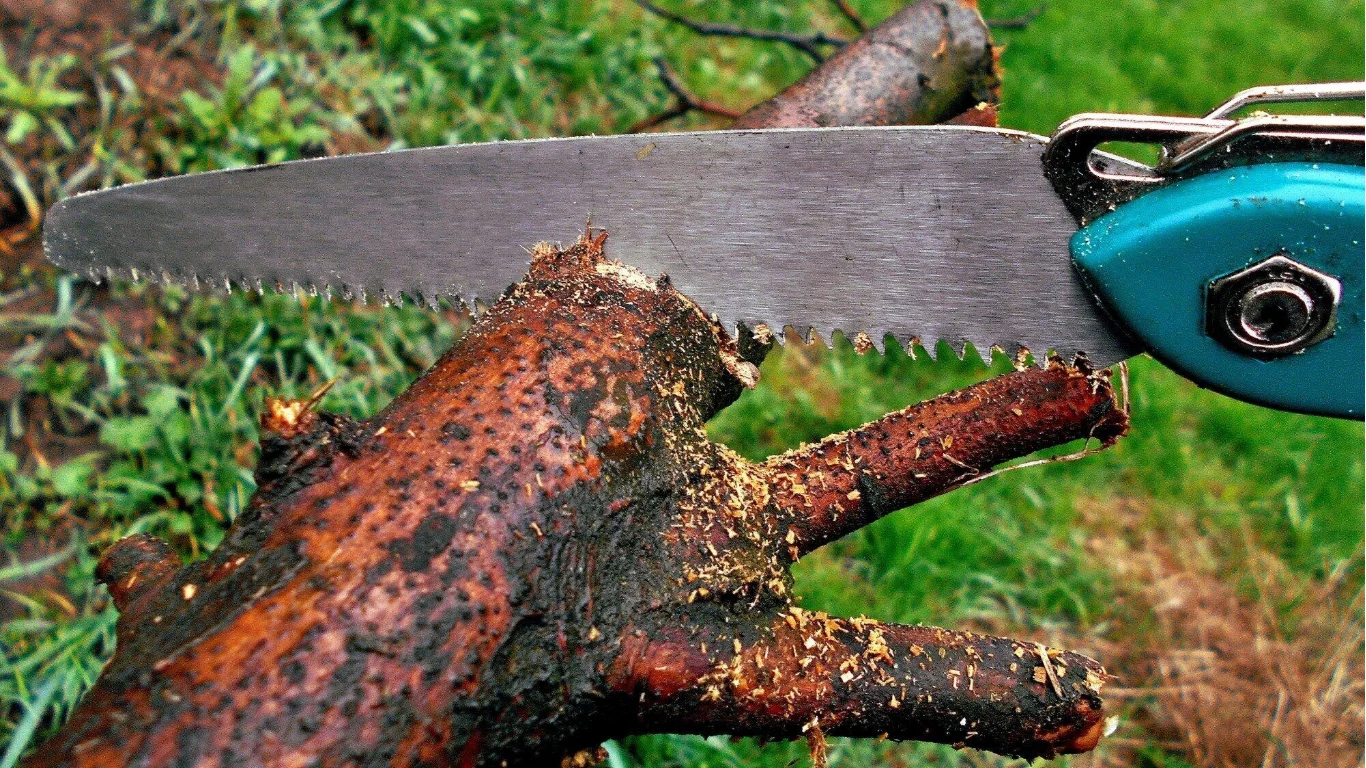
For efficient tree pruning, you must have the appropriate equipment. For little branches, use clean, sharp pruning shears; for medium-sized branches, use loppers; and for larger limbs, use a saw.
Disease transmission can stop the spread of disease. Maintaining the sharpness of your tools not only facilitates the procedure but also shields the tree from harm.
3. Understand the Different Pruning Techniques
There are several pruning techniques you can utilize depending on your goals. For shape, you might consider thinning or heading cuts. Thinning removes branches to improve light penetration and airflow.
On the other hand, heading cuts trim back branches to promote new growth. Learning these techniques can help improve both the health and appearance of the tree.
4. Focus on Weak or Diseased Branches
Identifying and removing weak or diseased branches is a crucial element of tree pruning. Such branches can hinder growth, reduce the tree’s aesthetic appeal, and spread disease.
Regular inspection of your trees can help you catch these issues early on, ensuring healthier trees and a more beautiful landscape. If you are unsure about a particular branch, consulting a professional can provide clarity and insight.
5. Don’t Over-Prune
Over-pruning can lead to stress in trees, which may manifest as stunted growth or increased susceptibility to pests and diseases. It’s best to prune with caution and avoid removing more than 20 percent of a tree’s canopy in one sitting. Remember, healthy trees can cope with some loss, but moderation is key to maintaining a vibrant landscape.
6. Enhance Sunlight Penetration
Improving sunlight penetration promotes photo-synthesis and overall health in your trees. By selectively pruning branches that block light, you can ensure that lower foliage gets the necessary sunlight to thrive. This practice not only bolsters tree health but also yields a more visually appealing structure, with layers of light and shadow playing across your garden.
7. Promote Airflow
Good airflow is vital for the prevention of fungal infections and other diseases. By pruning densely packed branches and opening up the center of the tree, you facilitate better air circulation. Effective airflow contributes significantly to the health of your garden and helps maintain its lush appearance throughout the growing season.
8. Shape for Aesthetics
Pruning shapes your trees and enhances your garden’s overall aesthetic appeal. Consider designing your trees to create focal points in your landscape. Spherical or cascading forms can elevate the look of your garden. By maintaining a deliberate shape, you not only focus attention but also ensure a harmonious balance between your trees and other landscape elements.
9. Use Proper Techniques for Young Trees
Young trees require a different approach to pruning. Training young trees to develop a strong structure should be your primary goal.
Consider conducting formative pruning to remove competing leaders and promote a strong central leader. This encourages healthy growth patterns that will contribute to the tree’s longevity and beauty.
10. Regular Maintenance is Key
Regular tree pruning plays a significant role in maintaining aesthetic appeal and garden health. Seasonal inspections can help you identify areas that require pruning
. Develop a scheduled maintenance plan to ensure your trees are pruned consistently throughout their development. A little effort in maintenance can lead to remarkable results over time.
11. Learn to Read Your Trees
Understanding the signs of a tree’s health can improve your tree pruning technique. Look for signs of:
- stress,
- disease
- or insect damage
Monitoring growth patterns and changes in foliage color can also provide valuable insight. The more familiar you become with your trees, the better you can care for and enhance their aesthetics.
12. Consider Professional Help
Sometimes, enlisting the help of experts can significantly improve your garden’s health and attractiveness. Consulting with certified arborists can provide you with tailored advice and techniques for tree pruning. They can assess the overall condition of your trees and develop an appropriate pruning strategy that complements your garden’s needs.
Challenging Misconceptions Surrounding Proper Tree Care
In tree care, which is both an art and a science, pruning is often misunderstood. These misunderstandings can lead to bad practices and unhealthy trees. If you want to keep your landscape beautiful and healthy, it is important to know the facts about tree pruning.
Let’s clear up common myths and learn the truth about structural pruning. This is an important practice that helps trees grow strong, stable, and attractive in their environment.
1. The Myth of Pruning During Any Season
One common misconception is that all trees can be pruned at any time of year. While some may think the timing of pruning is irrelevant, it actually plays a significant role in the health and overall growth of the tree.
For instance, spring is generally the best time for most deciduous trees, as they are still in their dormant phase, enabling them to heal quicker from cuts. Pruning in late winter or early spring allows for a balance of healthier growth and ample time for the tree to recover before the onset of summer heat.
2. Pruning Equals Cutting
Many people equate pruning solely with cutting away branches, but it encompasses a broader range of practices aimed at improving tree structure and health. Effective tree pruning involves not just removal but also shaping and guiding growth. Training young trees through selective structural pruning can lead to a strong, well-balanced branch structure that minimizes the risk of future breakage or disease.
3. More is Better?
Another prevalent belief is that the more you prune, the healthier your trees will be. Over-pruning can severely stress a tree, leading to vulnerabilities in its bark and making it susceptible to disease and pests.
Arborists recommend following the ‘Rule of Thirds’-removing no more than one-third of a tree’s foliage in a single pruning session. This practice allows trees to maintain their health by retaining enough leaf area to photosynthesize effectively.
4. Pruning Can Begin at Any Age
Some think it’s acceptable to begin tree pruning once a tree has reached maturity, but the reality is that early intervention can be invaluable. Starting structural pruning while trees are still young promotes better branch architecture and prevents future complications. By addressing issues like cross-branching and weak unions early, you ensure the long-term health and integrity of your trees.
5. Tree Pruning is Only an Aesthetic Task
A common belief regarding tree pruning is that it is merely a technique used for aesthetics. However, the practice serves several functional purposes as well.
Besides enhancing appearance, proper pruning encourages air circulation, light penetration, and can help prevent diseases by removing dead or dying branches. Taking a functional approach to tree pruning can lead to thriving trees and healthier ecosystems in your landscape.
6. Pruning is Dangerous and Should Be Avoided
While it’s understandable for some to fear the dangers associated with tree pruning, avoiding it altogether can lead to greater risks. Neglecting tree care can result in hazardous situations, such as falling branches or unstable trees. When performed correctly by a knowledgeable arborist, tree pruning reduces risks and ensures the long-term structural integrity of the tree.
7. All Tools Work for All Trees
Many people assume that the tools used for tree pruning are interchangeable across different types of trees. In reality, the effectiveness and safety of pruning depend on using the right tools for each specific task.
For instance, loppers and hand pruners are suitable for small branches, while saws are required for larger ones. Additionally, specialized equipment for larger trees helps ensure proper practices while minimizing injuries and damage.
8. Pruning Immediately After a Storm is Useful
People often think that immediate pruning after a storm is the best course of action to salvage a damaged tree. In some cases, waiting is actually more beneficial.
It’s important to assess the tree several weeks after the storm, as it allows the tree to naturally shed small, broken branches. This also reduces stress on the tree and prevents excessive damage. After a thorough evaluation, you can proceed with targeted tree pruning to address specific issues without compromising the tree’s health.
9. Severe Pruning Guarantees Success
Another misconception is that heavy pruning will ensure a strong, healthy tree. In truth, severe pruning can actually harm a tree’s vitality, resulting in excessive regrowth and making the tree look unsightly.
Proper tree pruning is about creating balance, allowing for healthy growth while maintaining the tree’s natural form. A methodical approach to pruning leads to lasting structural integrity and health.
10. Pruning Creates More Branches
It’s commonly believed that cutting branches will stimulate growth elsewhere, causing more branches to form. While some trees may respond this way, many do not.
The general principle of tree pruning is to allow for improved air flow and sun exposure, which promotes the growth of the remaining branches rather than stimulating growth in the cut areas. Understanding how trees respond to pruning allows for more effective and thoughtful techniques.
11. Tree Species Doesn’t Matter
A significant misconception about tree pruning is that the same approach applies to all tree species. In reality, different trees have varying responses to pruning practices.
For instance, some trees, like oaks, are best pruned during the dormant season to avoid disease, while others may thrive with summer pruning. Understanding the specific needs of each tree species enables you to tailor your pruning strategy effectively.
12. Root Pruning is Unnecessary
Finally, many gardeners believe that only above-ground pruning matters and neglect the importance of root pruning. Just like branches, a tree’s root system benefits from careful management.
Root pruning helps maintain a balanced growth pattern and can prevent girdling roots that can choke a tree over time. Taking a comprehensive approach to pruning means paying attention to both roots and branches for optimal tree health. Also, embrace the art of tree pruning by educating yourself and making informed decisions for the well-being of your landscape.
Tree Pruning Combines Horticultural Science With Landscape Design
Maintaining a healthy and aesthetically appealing garden requires proper care and attention. By following these tips, including understanding the common misconceptions about structural pruning, you can ensure your garden thrives and looks beautiful. Remember to always consult professionals for guidance and never be afraid to experiment and try new techniques!
Take the time to learn about the art of structural pruning and apply these techniques to your own garden. So what are you waiting for? Start tree pruning and see the amazing results for yourself!
Looking for more tips and advice? You’re in the right place! Make sure to bookmark our page and come back to check out more interesting articles.