A swimming pool is an investment in relaxation, family time, and outdoor fun. But if the water is consistently too cold, even the most beautiful pool can sit unused for weeks. Installing a pool heater solves that problem, but choosing the wrong size can create a new set of issues, from slow heating and higher energy bills to unnecessary equipment costs.
Understanding the right pool heater size is one of the most important steps before purchasing a heating system. Rather than guessing or simply choosing the biggest unit available, taking a few measurements and considering your local climate can help you find a heater that delivers reliable performance without wasting energy.
Why Pool Heater Size Matters
Many homeowners assume a larger heater automatically means better performance. While a larger unit can heat water more quickly, buying an oversized heater isn’t always the most economical choice.
Likewise, choosing a heater that’s too small can leave you waiting days for your pool to reach a comfortable temperature. In some cases, an undersized heater may run continuously without ever maintaining the desired water temperature during cooler weather.
The goal is to find a heater that’s appropriately matched to your pool and usage habits.
Understanding BTU Ratings
Pool heater capacity is typically measured in BTUs (British Thermal Units).
A BTU represents the amount of energy needed to raise one pound of water by one degree Fahrenheit. The higher the BTU rating, the greater the heater’s heating capacity.
Residential pool heaters commonly range from:
- 100,000 BTU
- 150,000 BTU
- 200,000 BTU
- 250,000 BTU
- 300,000 BTU
- 400,000 BTU
Higher BTU ratings generally result in faster heating, but the ideal size depends on several factors beyond water volume.
Start with Your Pool’s Surface Area
One of the biggest misconceptions is that heater sizing should be based only on the number of gallons in your pool.
In reality, surface area plays an even larger role because most pool heat is lost through evaporation at the water’s surface. Two pools with the same water volume can require different heater sizes if one has a significantly larger surface area.
To calculate surface area:
Rectangle Pool: Length × Width
Example: 16 ft × 32 ft = 512 square feet
For irregularly shaped pools, divide the pool into smaller sections, calculate each section separately, and then add the totals together.
Estimate the Required Heating Capacity
Once you know your pool’s surface area, you can estimate the minimum heater size.
A commonly used rule of thumb is:
Surface Area ÷ 3 × 1,000 = Minimum BTU Rating
For example: 512 sq. ft. ÷ 3 × 1,000 ≈ 170,000 BTU
This provides a solid starting point for average conditions, though climate and desired water temperature should also be considered.
Consider Your Desired Temperature Rise
The amount you want to increase your pool’s temperature directly affects the heating requirement.
For example:
- Heating from 76°F to 80°F requires relatively little energy.
- Heating from 60°F to 82°F requires substantially more.
If you frequently heat a cold pool from scratch, selecting a slightly larger heater may reduce waiting time.
If you primarily maintain an already warm pool, a moderate-sized heater may be sufficient.
Climate Makes a Big Difference
Your location has a major impact on heater performance.
Pools in warm climates naturally lose less heat than pools exposed to cool evenings or strong winds.
Generally:
Warm climates
- Smaller heaters often perform well.
- Heating costs remain lower.
Cool climates
- Larger BTU ratings help offset increased heat loss.
- Faster recovery after cold nights.
If you plan to extend your swimming season into spring or autumn, sizing up is often worthwhile.
Pool Covers Can Reduce Heater Requirements
Before investing in a larger heater, consider using a quality pool cover.
Since evaporation accounts for most heat loss, covering the pool when it’s not in use can significantly improve heating efficiency.
Benefits include:
- Reduced overnight heat loss
- Lower operating costs
- Shorter heater run times
- More consistent water temperatures
A pool cover won’t replace a properly sized heater, but it can reduce the workload considerably.
Choosing Between Heat Pumps and Gas Heaters
The type of heater also influences sizing decisions.
Gas Pool Heaters
Gas heaters deliver their rated heat output regardless of outdoor air temperature.
They’re ideal for:
- Fast heating
- Cooler climates
- Occasional pool use
Pool Heat Pumps
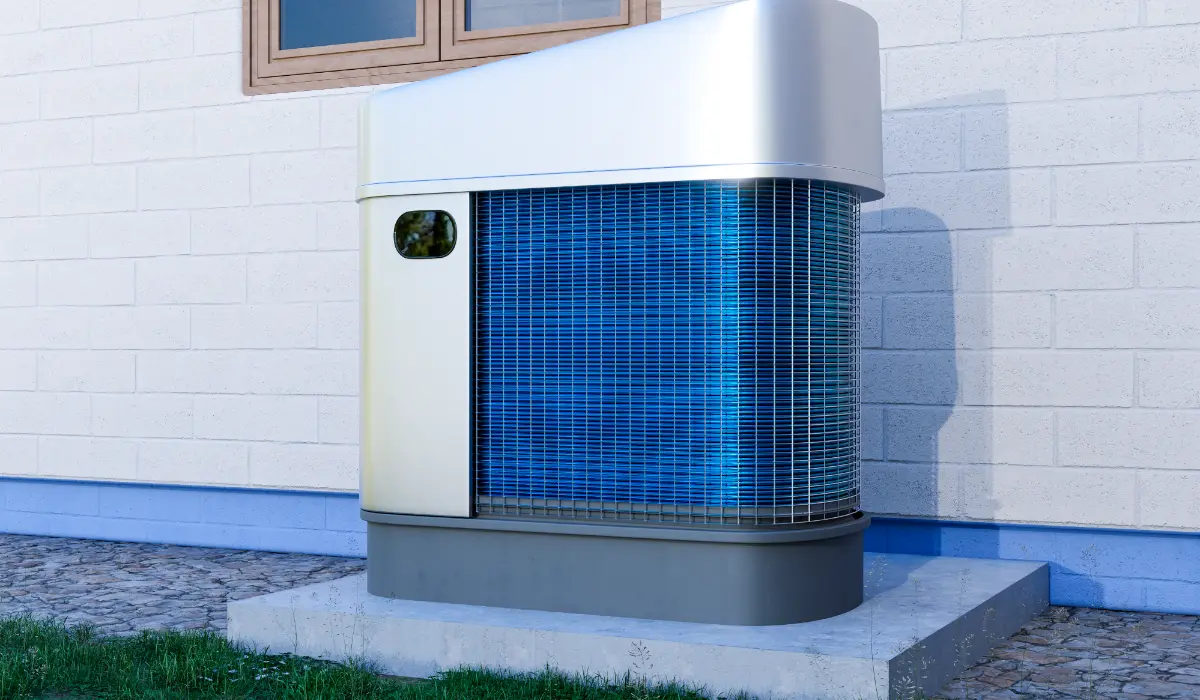
Heat pumps transfer heat from the surrounding air rather than generating it directly.
They typically:
- Cost less to operate
- Work best in moderate to warm climates
- Maintain temperature efficiently
Because heat pump output decreases as air temperatures fall, homeowners in cooler regions sometimes choose a larger-capacity model to maintain performance.
What Happens if the Heater Is Too Small?
Undersizing is one of the most common mistakes.
A heater that’s too small may:
- Take days to warm the pool
- Run almost continuously
- Struggle during cooler weather
- Increase wear on system components
- Consume more energy over time
While it may eventually reach the desired temperature, the process can become frustrating and expensive.
Can a Heater Be Too Large?
Oversizing isn’t always a bad thing, but there are trade-offs.
A larger heater:
- Heats water more quickly
- Runs for shorter cycles
- Costs more to purchase
However, buying far more capacity than your pool requires may not provide meaningful long-term savings.
The best approach is choosing a heater that’s slightly above your calculated minimum rather than dramatically exceeding it.
Other Factors Worth Considering
Beyond pool dimensions, several additional details influence heater selection.
- Wind Exposure: Open backyards lose heat faster than sheltered pools.
- Shade: Pools receiving limited sunlight require more supplemental heating.
- Desired Swimming Season: Year-round swimming requires more heating capacity than occasional summer use.
- Frequency of Use: Pools used daily often benefit from maintaining a consistent temperature rather than repeatedly reheating cold water.
Planning for Long-Term Efficiency
A properly sized heater does more than warm your pool.
It also helps:
- Reduce electricity or fuel consumption
- Improve equipment lifespan
- Lower maintenance costs
- Maintain comfortable water temperatures with less effort
Although a correctly sized heater may cost slightly more upfront than an undersized model, it usually provides better value throughout its lifetime.
Final Thoughts
Finding the right pool heater isn’t about buying the most powerful unit available, it’s about matching the heater to your pool’s specific needs. By considering surface area, desired temperature rise, climate, heater type, and heat-loss factors like wind and evaporation, you can choose a system that delivers dependable performance while keeping operating costs under control.
Taking the time to calculate the correct size before purchasing can save money, improve efficiency, and ensure your pool stays warm and ready whenever you want to swim.