Key Takeaways
- Integrating sustainable design principles is essential for reducing environmental impact and enhancing building performance.
- Utilizing passive design strategies, energy-efficient systems, and sustainable materials contributes to long-term sustainability.
- Incorporating biophilic design and adaptive reuse can improve occupant well-being and preserve resources.
Introduction
As the environmental impact of buildings becomes increasingly important in today’s world, architects and builders are prioritizing sustainable design principles to create healthier, more energy-efficient spaces. Forward-thinking firms like this architecture and interior design company are helping to lead the way, promoting methods that conserve resources and benefit both occupants and the broader environment.
Modern architecture’s emphasis on sustainability is not just a trend but a vital response to global environmental challenges. From reducing carbon footprints and lowering energy use to designing for resilience against climate change, sustainable architecture seeks solutions that meet today’s demands without compromising future generations’ needs.
With growing awareness among developers and property owners, integrating environmentally responsible approaches into building design has become an expectation rather than a novelty. Leading institutions and industry stakeholders consistently urge the adoption of best practices that fuse comfort with conservation.
Sustainable construction now encompasses a spectrum of strategies, ranging from the wise use of natural resources to innovative material selection. This article explores the key principles shaping the green building movement.
Passive Design Strategies
Passive design is a foundational aspect of sustainability, focusing on architectural decisions that use the environment to regulate indoor climates naturally, thereby significantly reducing a building’s reliance on artificial heating and cooling systems. Common passive strategies include:
- Orientation: Deciding the building’s position to optimize sunlight access in winter and minimize overheating in summer. This tactic enhances energy efficiency and overall comfort.
- Natural Ventilation: Utilizing architectural arrangements, like operable windows and thoughtfully placed vents, to encourage breezes and airflow. This approach minimizes dependence on mechanical systems and supports indoor air quality.
- Thermal Mass: Selecting masonry, concrete, or other dense materials allows structures to absorb, store, and gradually release heat. This technique helps maintain indoor conditions stable even during extreme temperatures.
By prioritizing passive strategies during the design phase, buildings can maintain improved comfort and achieve significant long-term energy savings. For more in-depth industry recommendations, the Passive House Accelerator’s explanation of passive house principles offers practical insights for architects and designers alike.
Energy-Efficient Systems
While passive principles lay the groundwork, integrating advanced energy-efficient systems further enhances a building’s environmental performance. Sustainable architecture relies on technology and innovation to drive down consumption and operational costs. Key solutions include:
- High-Performance HVAC: Investing in modern heating, ventilation, and air conditioning systems can dramatically cut energy use without sacrificing climate control.
- LED Lighting: Energy-efficient lighting not only reduces electricity usage but also lessens heat output, supporting comfort and efficiency simultaneously.
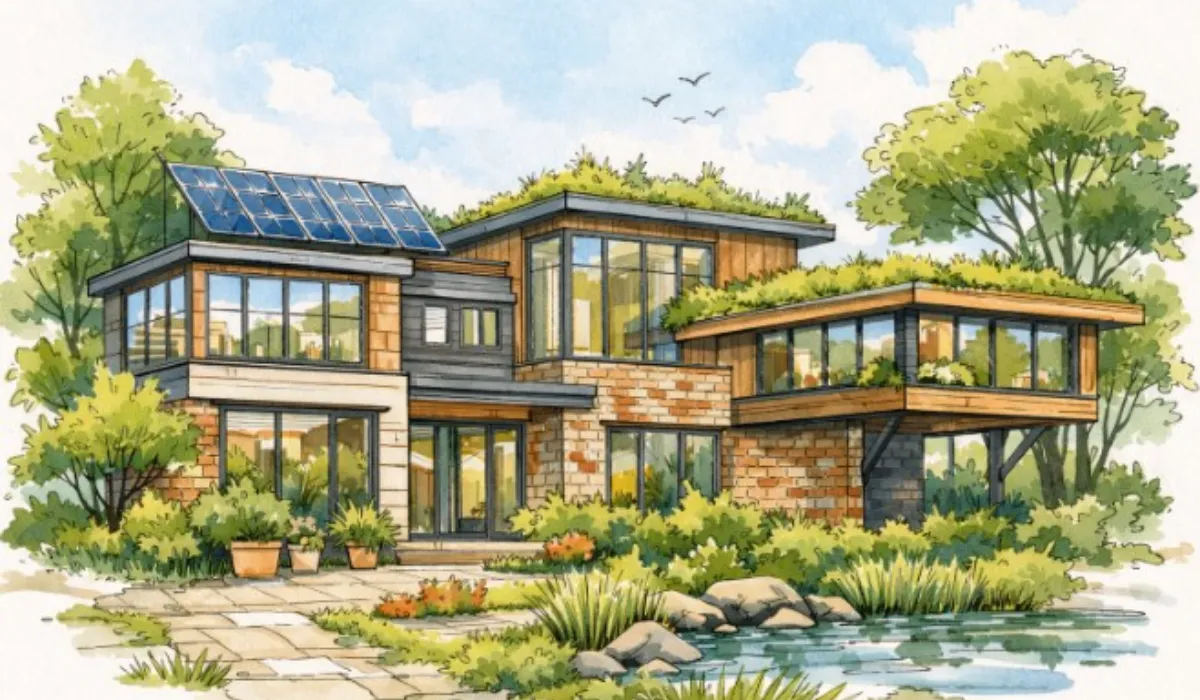
- Renewable Energy Sources: On-site solar panels or wind turbines allow buildings to generate clean electricity, reducing dependence on fossil fuels and lowering long-term operational expenses.
With today’s technology, upgrades such as smart thermostats and energy-monitoring tools offer further opportunities to optimize performance. Adopting such systems is becoming standard practice for both new builds and major retrofits.
Sustainable Materials
The careful selection of building materials plays a vital role in a project’s sustainability. Eco-friendly materials can lower a building’s embodied carbon, promote healthy indoor environments, and support the circular economy. Some top choices are:
- Bamboo: As a fast-renewing grass, bamboo is attractive for flooring, millwork, and structural components thanks to its strength and rapid harvest cycle.
- Recycled Steel: Steel that has been reprocessed from scrap reduces the reliance on mining new ore and offers a lower-carbon option for framing and reinforcements.
- Low-VOC Paints: These coatings emit fewer volatile organic compounds, helping create healthier indoor air for building occupants and construction workers alike.
Prioritizing sustainable resources aligns with growing global efforts to limit waste and reduce environmental degradation. The Architectural Record’s article on embodied carbon provides an accessible overview of more eco-friendly construction materials for those looking to learn more.
Biophilic Design
Biophilic design leverages nature’s positive influence by weaving natural elements into the built environment. This design philosophy seeks to foster occupant well-being, boost productivity, and create calming spaces by:
- Green Walls and Roofs: Adding living plants inside and outside can absorb air pollutants, moderate temperatures, and provide habitat for urban wildlife.
- Natural Light: Large windows, skylights, and open layouts increase daylight penetration, which has been shown to enhance mood and support healthy circadian rhythms.
- Water Features: Small indoor fountains or water displays introduce soothing sound and visual interest, improving the psychological experience of building users.
Biophilic strategies help bridge the divide between nature and city life, delivering measurable mental and physiological benefits while also supporting sustainability targets.
Adaptive Reuse
Adaptive reuse is a sustainable approach in which existing structures are transformed for new uses rather than demolished. This practice can provide:
- Conservation of Materials: Reusing walls, foundations, or entire shells reduces the need for new resources and curbs construction waste.
- Historical Preservation: Updating older buildings can maintain community character and preserve valuable cultural assets.
- Reduced Construction Time:Leveraging existing frameworks often accelerates project timelines and lowers costs compared to new builds.
Adopting adaptive reuse not only diverts waste from landfills but also promotes sustainable urban growth by revitalizing neighborhoods and extending the life of existing infrastructure.
Case Studies
Inspiration and evidence for sustainable design are abundant in high-profile projects worldwide. Notable examples include:
- The Edge, Amsterdam: Known for its net-zero energy status, it combines advanced automation, renewable energy, and green roofs to set benchmarks for smart, sustainable offices.
- Bullitt Center, Seattle: Celebrated as one of the greenest commercial buildings, it features extensive solar panels, rainwater harvesting, and composting toilets, demonstrating urban sustainability in action.
- One Central Park, Sydney: This mixed-use development uses vertical gardens, smart irrigation, and passive design elements to create a landmark city ecosystem.
These case studies illustrate the tangible benefits of sustainable design for both occupants and communities. Articles from respected outlets such as Architectural Record offer deeper insight into the success stories behind today’s greenest buildings.
Conclusion
Embracing sustainable design is no longer an option but an imperative for anyone involved in shaping the built environment. Through thoughtful integration of passive strategies, energy-efficient technologies, eco-conscious materials, biophilic elements, and adaptive reuse, architects are well positioned to address environmental challenges while cultivating enduring value for people and the planet. The evolution of modern architecture will continue to be guided by innovation rooted in responsibility, ensuring that the industry meets the needs of today and tomorrow.