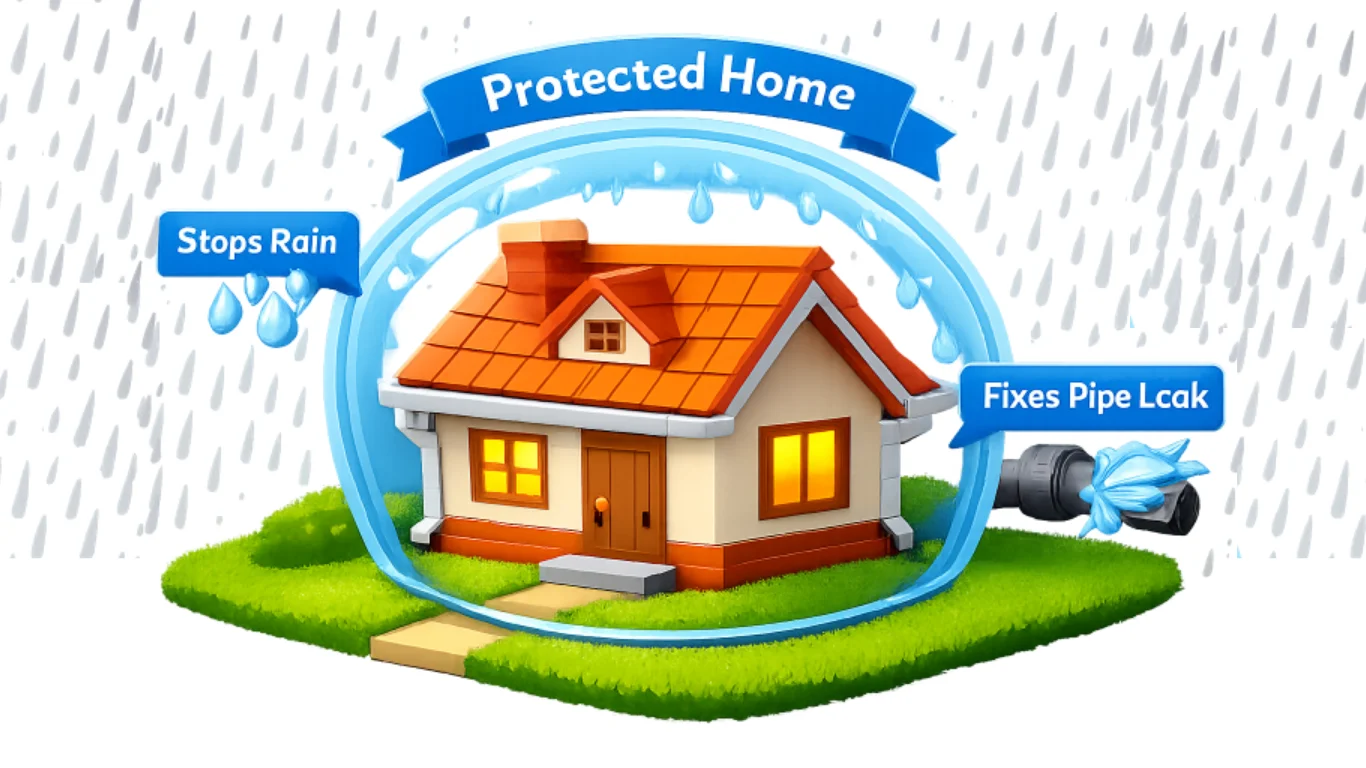
Water damage is a threat to many homeowners. It can lead to costly repairs and unhealthy living conditions. Basic prevention practices help reduce these dangers and protect your property. No matter your home’s age or location, following a water safety plan is a smart move. If you live in a region known for severe weather or aging infrastructure, consider local experts like water damage restoration Florida Gulf Coast to strengthen your efforts.
From burst pipes to leaky roofs, water problems happen for many reasons. Early detection is always best. Home maintenance does not have to be difficult or costly. What matters is making small checks a consistent habit. These steps also reduce health risks, such as mold growth, which can cause respiratory problems and make your home uncomfortable.
Simple actions can help save water and money over time. By investing time in regular maintenance and promptly addressing repairs, homeowners can keep their families safe and their homes dry. For hidden or ongoing leaks, seeking professional water leak detection Florida Gulf Coast may be necessary, especially if you suspect an issue.
In addition to these personal steps, being aware of community resources, such as the EPA’s water conservation guidance, can further help reduce the risk of water damage across your neighborhood. Homeowners should remain aware of seasonal risks and address weather-related concerns as weather patterns shift.
Regularly Inspect Plumbing Systems
Plumbing maintenance is crucial for every homeowner. Look over pipes under sinks, behind toilets, and near the water heater at least twice a year. Search for rusted fittings, moisture buildup, or pooling water. If you spot any drips or dampness, it is important to fix these problems right away. Small leaks can grow larger, damaging floors and walls and attracting pests.
Keep an eye on your monthly water bill for changes. A spike in usage might signal an unseen leak. Using plumber’s tape on threaded joints helps protect against loose connections, and a professional plumber should assess any complex problems you find.
Maintain Roof and Gutters
Your roof and gutters protect your home from rain and storms. Clean out gutters in spring and fall to clear away leaves and branches. Clogged gutters cause rainwater to spill onto the foundation or under the roof, leading to water penetration. Examine the shingles for cracks or missing sections. Make repairs as soon as possible to prevent leaks from causing major structural issues. If your home has an attic, check it after big storms for evidence of leaks, such as stained wood or insulation.
According to the Spruce, routine roof inspections and quick gutter cleaning can prevent most homeowner water problems caused by roof leaks.
Monitor Water Pressure
High water pressure can put heavy strain on your pipes. Normal household pressure ranges from 40 to 60 psi. If pressure is above this level, pipes or fixtures could burst. Buy a pressure gauge from a hardware store and test every few months. Most can be screwed onto an outdoor tap or laundry tub.
Installing a pressure regulator may be needed if you find levels are high. This not only helps prevent water hammer but also extends the life of your plumbing system and connected appliances.
Install Water Detection Devices
Modern water alarms can save money and stress by alerting you before a small leak becomes disastrous. Place battery-powered or smart sensors in high-risk areas, such as basements, under sinks, and near water heaters. Some newer devices connect to your phone and send notifications if a leak is found. Systems with automatic shut-off functions can stop water flow at the main line, limiting flooding.
Properly placed sensors often pay for themselves by preventing just one leak. More information on water alarm technologies is available in this Consumer Reports guide.
Protect Pipes During Cold Weather
Cold weather can freeze pipes, leading to bursts. Insulate pipes that run along exterior walls, in attics, or in crawl spaces. Foam pipe insulation sleeves are easy to install. Keep the house warm, and on the coldest nights, let a faucet drip slowly to keep water moving. This reduces the risk of freezing, especially if the forecast calls for freezing weather or if you plan to leave the house unattended for a while. Remember to disconnect garden hoses before winter to stop outdoor spigots from freezing.
Maintain Appliances
Home appliances use a lot of water and can fail without warning. Check hoses and connections on washing machines, dishwashers, and refrigerators regularly. Look for cracks or bulges and replace hoses every five years. Use stainless-steel braided hoses, which last longer than rubber hoses. Water heaters should be inspected for corrosion at their base, and older heaters may need to be flushed yearly to remove sediment and prevent leaks.
Routine care helps prevent unexpected breakdowns and expensive water-damage repair jobs.
Landscape to Direct Water Away
The slope of the land around your home should guide water away from the foundation by at least six inches over the first ten feet. Downspouts should send water several feet from the house’s base. Avoid planting trees or shrubs with invasive roots near the foundation. Use mulch in garden beds to reduce runoff and keep the soil in place. These steps protect basements and crawl spaces from flooding during heavy rains.
Know How to Shut Off the Water Main
Almost every home will have an emergency water leak at some point. Knowing the location of your main water shut-off valve can prevent thousands of dollars in damage. Take time to find the valve; it is often near where the main water line enters your house. Practice turning it off so you are prepared in case of a burst pipe or appliance failure. Teach all members of your household how to shut it off quickly when needed.
Making water damage prevention a priority is one of the smartest moves any homeowner can take. By combining routine inspections, seasonal maintenance, and modern alert systems, your home will remain protected from the costly, stressful effects of unwanted water