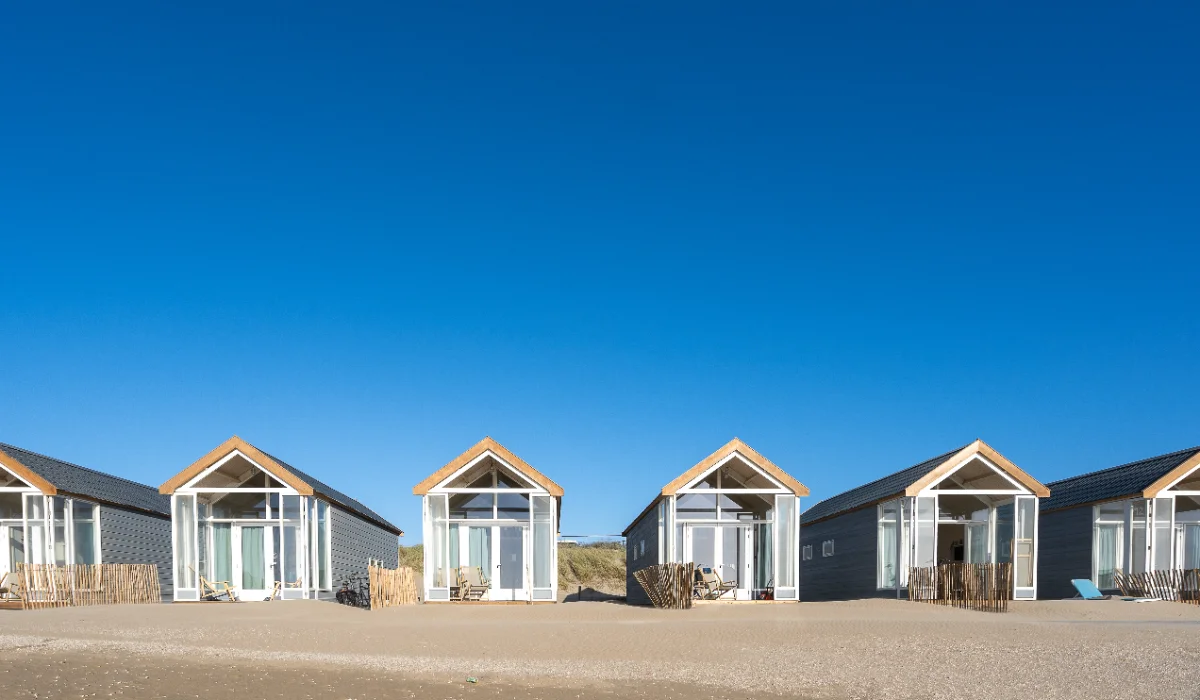
Tying together the operations of a busy building site requires some centralised location for planning, communication, and administration. Portable units can be deployed quickly to any location, providing an environment that supports the needs of a modern construction crew. This article explores how these structures ensure that your project remains on schedule from start to finish.
1. Rapid Deployment and Immediate Functionality
One of the advantages of choosing a modular workspace is the incredible speed with which it can be delivered. Because these units are pre-built and ready for immediate use, you do not have to wait weeks for a traditional structure to be erected. Once the unit is placed on level ground and connected to local power, you have a functional office that allows you to start managing logistics and personnel right away.
2. Enhancing On-Site Security for Sensitive Documents
Construction projects involve a vast amount of paperwork that must be kept safe at all times. A portable office provides a lockable and weather-proof environment that protects these vital documents from theft, vandalism, and the harsh elements found on an outdoor site. By having a secure central location to store your physical files, you reduce the risk of losing important data that could delay your progress.
3. Providing a Professional Environment for Client Meetings
Having a clean and quiet space to discuss updates is essential for maintaining a professional image. You can use your portable unit as a meeting room where you can present reports or walk through digital models. This dedicated space allows for better focus and more effective communication, which helps to build trust and maintain strong relationships with your clients throughout the duration of the project.
4. Improving Staff Welfare and Comfort
A construction site can be a demanding environment, and providing your team with a climate-controlled space to take breaks is vital for maintaining high morale. Portable site offices can be fitted with air conditioning, offering a much-needed sanctuary from weather conditions. When your supervisors have a place to sit and think, they are likely to make fewer errors and remain focused on their responsibilities.
5. Flexibility to Move as the Project Evolves
As your building work progresses, the layout of your site may need to change to accommodate new materials or the next phase of construction. Because these offices are designed to be portable, you can relocate the entire structure to a different part of the property using a standard crane or truck. Furthermore, this mobility allows you to keep your management hub close to the active work zone.
6. Scalability to Match Your Growing Team
The size of a construction crew fluctuates during a project, and your administrative needs will grow as you hire specialised consultants or managers. You can add more modules to your existing setup or swap a smaller unit for a larger one to ensure that everyone has enough desk space. Being able to adjust your office capacity on demand ensures that your management team never feels cramped or disorganised.
7. Cost-Effective Management Solutions
Building a permanent office for a temporary construction project is a significant waste of resources. Portable site offices offer a much more affordable alternative, allowing you to enjoy all the benefits of a professional workspace. Because these units are often available for hire, you can accurately forecast your monthly expenses and avoid the long-term maintenance costs associated with owning a fixed structure.
Strengthening Your On-Site Management
Modular units have become the standard choice for successful building managers across the industry. Once you have integrated a dedicated office into your daily operations, the boost in productivity and staff satisfaction will be apparent to everyone involved. Taking this step ensures that your project remains a well-oiled machine, capable of overcoming challenges during the construction process.