For a while, homes started feeling visually loud.
Too many walls. Too much furniture. Heavy layouts that chopped the space into tiny zones where every room had one rigid purpose and somehow still felt crowded. People spent years trying to make homes look impressive, then slowly realized they mostly wanted them to feel easier to live in.
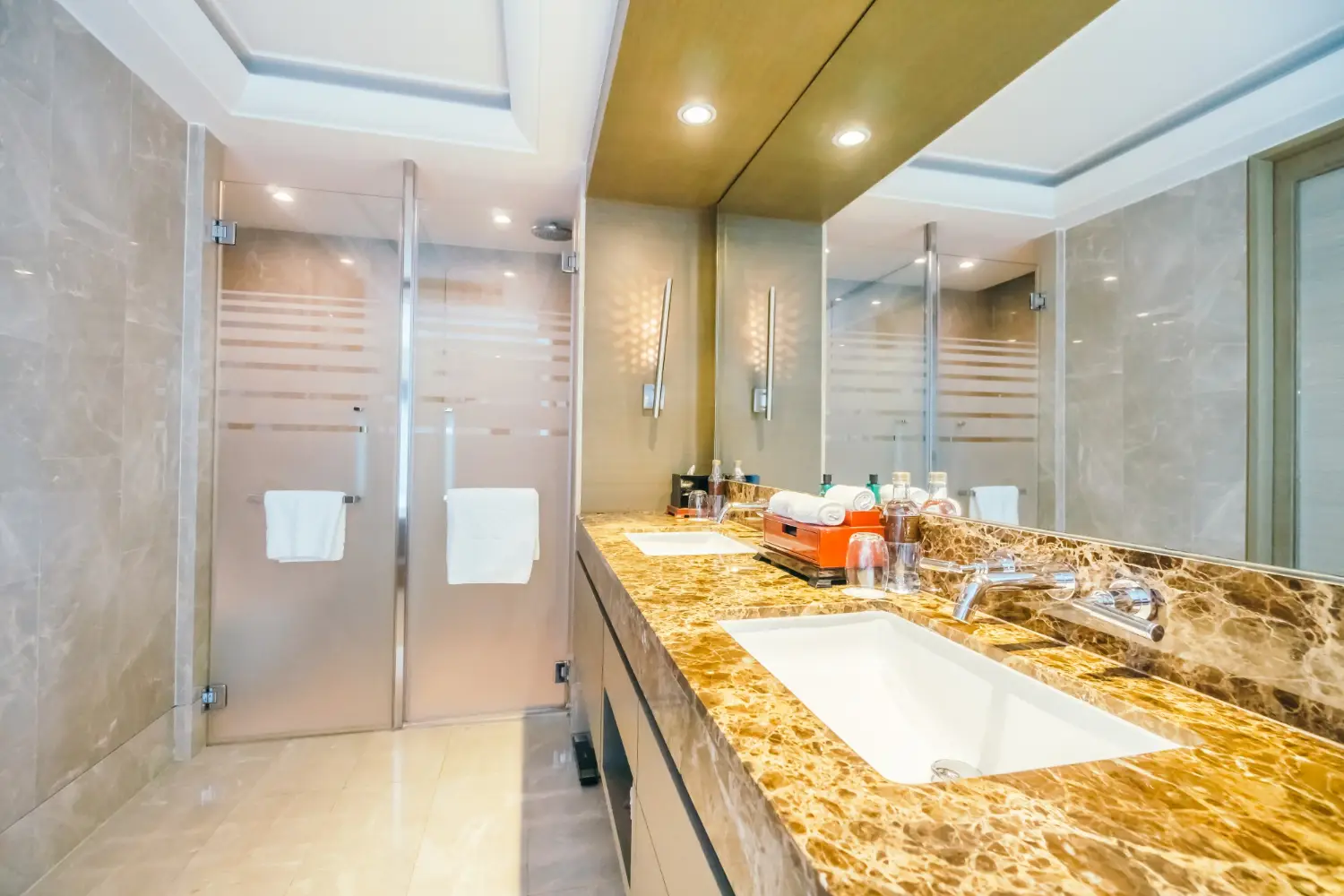
That shift explains why modern interiors keep moving toward openness and flexibility. Natural light matters more now. Movement through the home matters more. Even separation is being redesigned through features like glass partitions that define spaces without cutting them off completely.
The goal is no longer “more.”
It is lighter, calmer, and easier to breathe in.
Why Open Spaces Feel More Comfortable
People relax faster in spaces that feel visually open.
You notice it immediately in certain homes. The room feels calmer before you even understand why. Light moves more freely. Sightlines stay uninterrupted. The home feels less boxed in, even if the square footage is not especially large.
Cramped layouts create visual friction.
Walls interrupt movement. Dark corners shrink the atmosphere. Furniture starts competing with the structure itself. Open layouts soften that tension because the eye can move naturally through the space.
That psychological effect matters more than people admit. A cleaner layout can make everyday life feel less chaotic simply because the environment stops demanding constant visual attention.
This is one reason clean minimalist interiors continue growing in popularity. They are not only about aesthetics anymore. They affect how people physically experience the home.
Natural Light Became a Major Design Priority
Natural light changes everything.
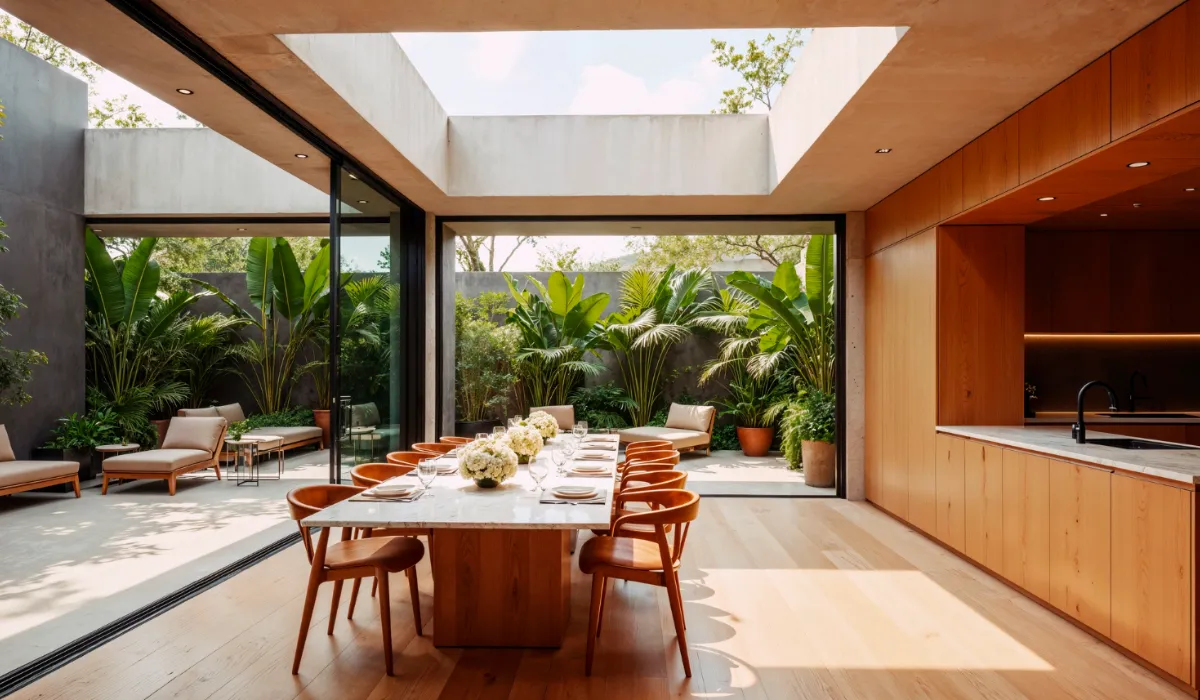
A bright room feels larger. Softer daylight makes surfaces look warmer. Even ordinary materials can feel more elevated when the lighting works well.
That shift toward brighter interiors is partly emotional. People want homes that feel energizing during the day and calmer at night. Dark, segmented layouts often feel heavier now, especially after years of remote work pushed people to spend more time indoors.
Harvard Health has discussed how natural light supports sleep cycles, mood, and overall wellbeing, which helps explain why daylight became such a major part of modern home layouts.
People are paying attention to:
- Larger windows
- Open sightlines
- Reflective surfaces
- Lighter finishes
- Rooms that borrow light from surrounding spaces
A home does not necessarily need more square footage to feel better.
Sometimes it simply needs more light reaching the right places.
Flexible Layouts Matter More Than Ever
Homes no longer serve one predictable routine.
A dining table may become a workspace during the day. A guest room may double as an office. A quiet corner may suddenly matter more than an oversized formal living room nobody actually uses.
That is why rigid layouts are starting to feel outdated.
Modern interiors need flexibility because modern life keeps shifting. Remote work changed how people use space. Families move through the home differently now. Even entertainment looks different than it did ten years ago.
Flexible layouts allow rooms to adapt without feeling chaotic.
This is where partial separation became important. People still want distinct zones, but they do not always want solid walls cutting everything apart. Design solutions that maintain openness while gently defining spaces feel much more natural in current interiors.
The home works harder now.
It needs room to change shape with the people living in it.
Minimalism Shifted From Aesthetic to Lifestyle
Minimalism used to feel performative sometimes.
Very white rooms. Bare shelves. Spaces that looked clean because nobody seemed allowed to touch anything.
Now the shift feels more practical.
People are realizing that simpler environments often reduce stress. Less visual clutter means fewer things competing for attention. Cleaner layouts make maintenance easier. Better materials matter more than excessive decoration.
The New York Times has written about how minimalism evolved beyond trend culture into a broader lifestyle shift connected to wellbeing, routine, and intentional living.
That evolution changed interior design too.
Minimalism now looks warmer. Softer. More livable.
Instead of cold perfection, people want:
- Better textures
- Natural materials
- Cleaner layouts
- Fewer but higher-quality pieces
- Spaces that feel calm instead of staged
The goal is not emptiness.
It is relief.
Modern Homes Need Separation Without Feeling Closed Off
Open layouts work well until people need privacy.
That tension pushed interior design toward a middle ground. Homeowners want openness and connection, but they also want ways to separate spaces when necessary.
That balance became especially important once homes started functioning as workplaces too.
Solid walls often feel too heavy now. Fully open layouts sometimes feel too exposed. Partial separation solves both problems by creating definition without completely interrupting light or visibility.
This is why materials like glass, slim framing, and lighter dividers became more popular in contemporary interiors.
They allow spaces to feel connected while still creating boundaries.
A home office can feel separate without becoming dark. A dining space can feel intentional without closing off the entire floor plan. The layout stays open, but the home still has structure.
That balance is where many modern interiors are heading now.
Not completely open.
Not completely divided.
Something softer in between.
Final Thoughts
Modern interior design keeps moving toward openness because people increasingly want homes that feel calmer, brighter, and easier to live in.
Flexible layouts, cleaner sightlines, natural light, and lighter forms of separation are shaping the way newer interiors function. Simplicity no longer feels cold or temporary. It feels practical, comfortable, and surprisingly timeless.
The best modern spaces rarely feel empty.
They just remove the visual noise people stopped wanting around them.