Living room furniture plays a central role in defining the comfort, functionality, and visual appeal of your home. The living room is where families gather, guests are entertained, and daily relaxation happens. In 2026, homeowners across the USA are prioritizing furniture that blends modern design with durability and comfort. Choosing the right pieces requires thoughtful planning, proper measurements, and an understanding of personal lifestyle needs. This comprehensive guide explores everything you need to know about selecting and arranging living room furniture for a balanced and inviting space.
Choosing the Right Sofa as the Focal Point
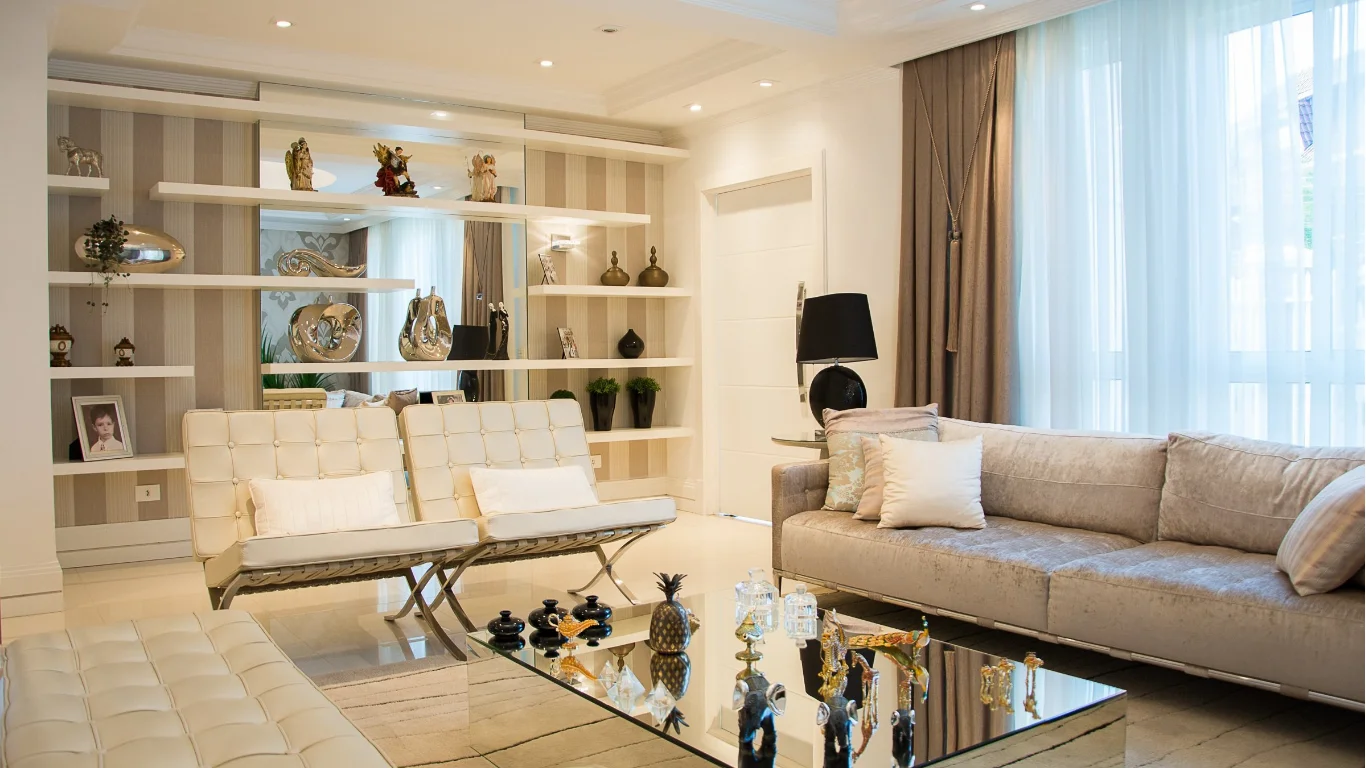
The sofa is typically the anchor of living room furniture and sets the tone for the entire space. When selecting a sofa, consider size, fabric durability, and cushion firmness to match your household’s needs. Families with children or pets may prefer stain-resistant fabrics and sturdy frames. Neutral colors provide flexibility for future decor changes, while bold shades create statement pieces. Always measure your room carefully to ensure the sofa fits comfortably without crowding walkways. A well-chosen sofa forms the foundation of a functional and stylish living room.
Selecting Complementary Seating Options
Accent chairs, recliners, and loveseats enhance living room furniture arrangements by adding extra seating and personality. Mixing textures and materials creates visual depth without sacrificing comfort. Swivel chairs or modular seating provide flexibility for entertaining guests. Consider ergonomics to ensure chairs offer proper back support. Avoid overcrowding by leaving sufficient space between pieces. Complementary seating balances practicality with aesthetic appeal.
Coffee Tables and Side Tables for Functionality
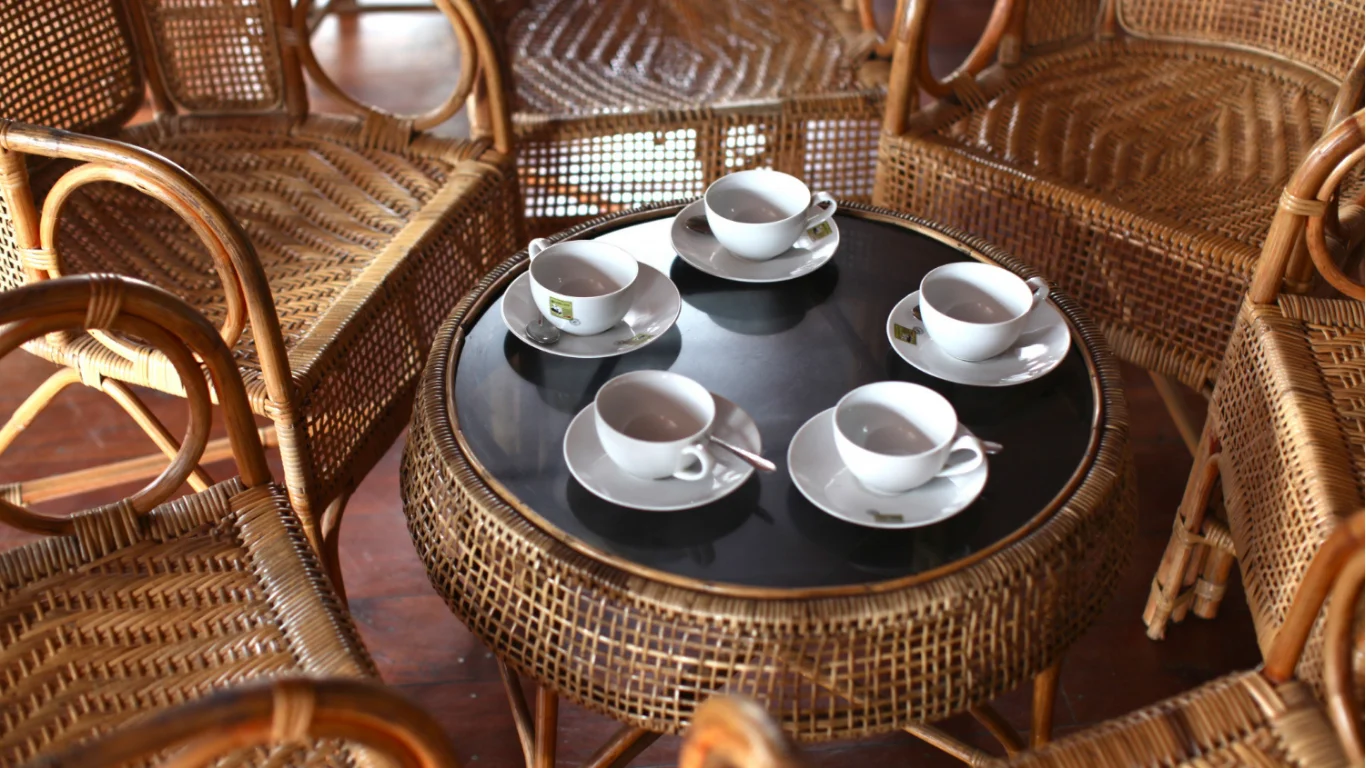
Tables are essential components of living room furniture because they support daily activities. A coffee table should align proportionally with your sofa and allow easy movement around it. Choose materials like wood, glass, or metal depending on your interior theme. Side tables near seating areas provide convenient surfaces for lamps, books, and beverages. Storage options such as drawers or shelves help reduce clutter. Well-chosen tables improve both convenience and organization.
Storage Solutions and Entertainment Units
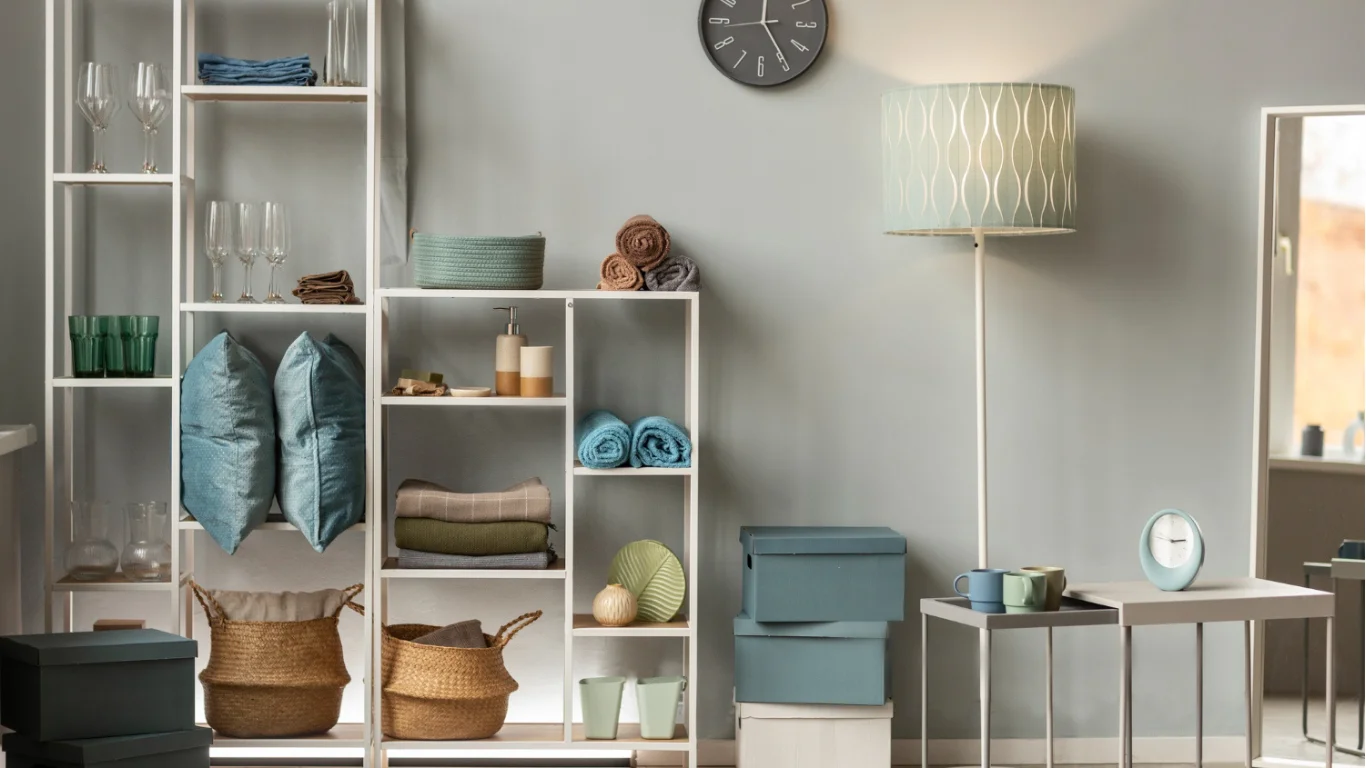
Modern living room furniture often includes media consoles, shelving units, and cabinets to manage electronics and decor. Entertainment units should accommodate televisions while hiding cables neatly. Floating shelves provide display areas for books, plants, and artwork. Built-in storage maximizes vertical space and keeps rooms tidy. Closed cabinets conceal items you prefer out of sight. Efficient storage maintains a clean and polished appearance.
Layout and Space Planning Tips
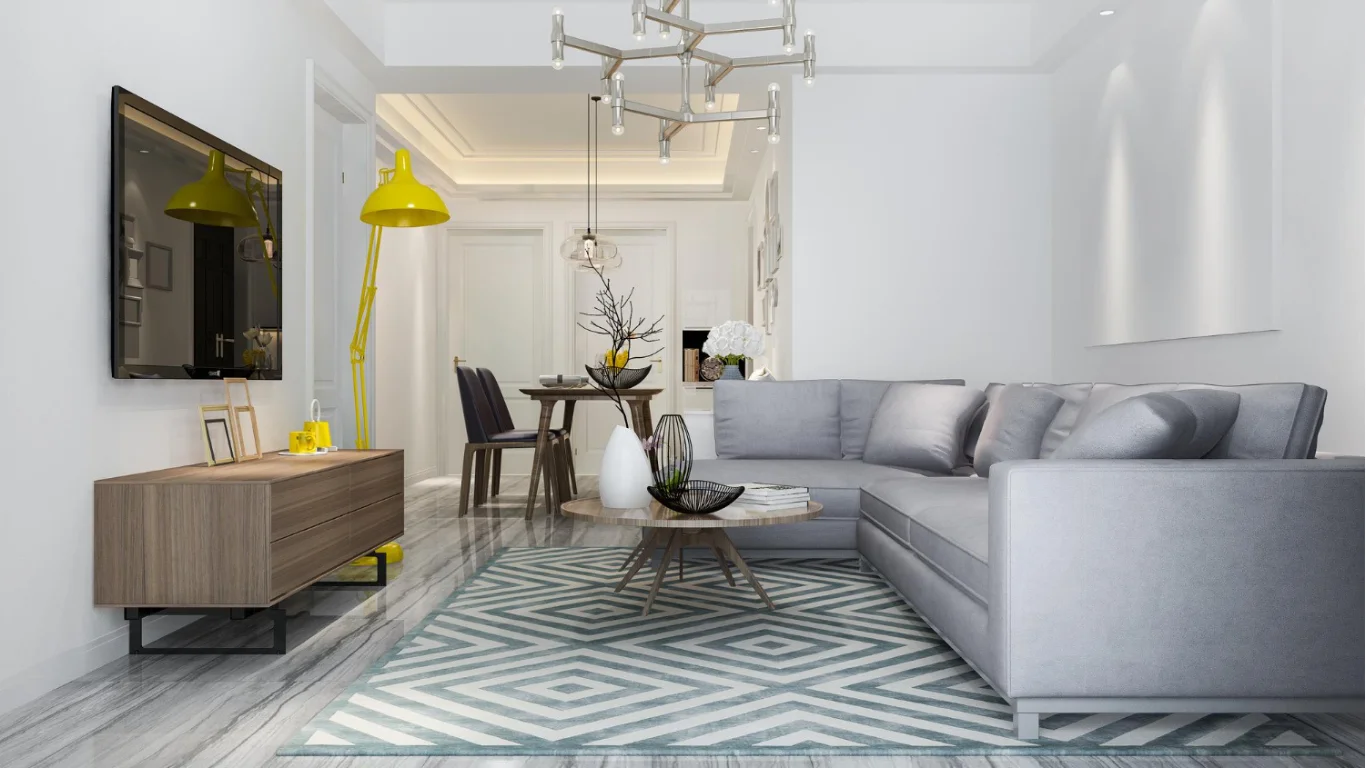
Proper layout is crucial when arranging living room furniture effectively. Start by identifying the focal point, whether it’s a fireplace, television, or window view. Arrange seating to encourage conversation while maintaining clear walking paths. Leave at least 18 inches between the coffee table and sofa for comfortable access. Rugs can define seating zones in open floor plans. Thoughtful spacing ensures your living room feels open and inviting.
Choosing Durable Materials and Fabrics
Material selection impacts the longevity of living room furniture significantly. Solid wood frames provide durability, while engineered wood offers affordability. Leather upholstery adds sophistication and is easy to clean, while fabric options provide warmth and variety. Performance fabrics resist stains and wear, making them ideal for busy households. Always review warranty details before purchasing. Investing in quality materials reduces replacement costs over time.
Matching Furniture With Interior Style
Living room furniture should complement your home’s overall design theme. Modern interiors favor clean lines and neutral tones, while traditional styles embrace ornate details and rich colors. Rustic themes incorporate natural wood and textured fabrics. Transitional designs blend classic and contemporary elements seamlessly. Maintaining consistency prevents visual clutter. Style alignment enhances harmony throughout the room.
Budget-Friendly Furniture Buying Strategies
Furnishing a living room doesn’t require overspending. Look for seasonal sales, bundle deals, or financing options when shopping for living room furniture. Prioritize essential pieces first, such as a sofa and coffee table, before adding decorative items. Consider multi-functional furniture like storage ottomans to maximize value. Comparing reviews ensures you choose reliable brands. Strategic shopping helps balance cost and quality.
Lighting and Accessories to Complete the Look
Although lighting isn’t furniture itself, it enhances living room furniture arrangements. Floor lamps and table lamps create layered illumination that adds warmth. Decorative cushions and throws personalize seating areas. Area rugs anchor furniture layouts and introduce texture. Wall art ties color schemes together. Accessories complete the overall design while highlighting furniture features.
Maintaining and Caring for Living Room Furniture
Proper care extends the lifespan of living room furniture and protects your investment. Vacuum upholstered pieces regularly to remove dust and debris. Clean spills immediately to prevent staining. Use furniture polish on wooden surfaces to maintain shine. Rotate cushions periodically for even wear. Routine maintenance keeps your living room looking fresh and welcoming.
Conclusion
Living room furniture shapes the comfort, functionality, and style of your home’s most social space. By choosing durable materials, planning layouts carefully, and matching pieces to your interior theme, you create a balanced and inviting environment. Thoughtful investment in sofas, tables, and storage ensures long-term satisfaction. Budget-friendly strategies make quality furniture accessible without overspending. In 2026, smart living room furniture choices continue to define modern, comfortable homes across the USA.
FAQs
How do I choose the right size sofa for my living room?
Measure your room carefully, leaving enough space for walkways and additional seating. A sofa should fit comfortably without dominating the space.
What material is best for living room furniture durability?
Solid wood frames and performance fabrics or leather upholstery offer excellent durability for busy households and long-term use.
How can I make a small living room feel bigger with furniture?
Choose light-colored pieces, avoid oversized furniture, and maintain open walking paths to create a spacious appearance.
Should all living room furniture match exactly?
No, mixing complementary styles and textures adds personality while maintaining color harmony for a cohesive look.
How often should I replace living room furniture?
High-quality furniture can last 10 to 15 years or more with proper care, though style updates may occur sooner.