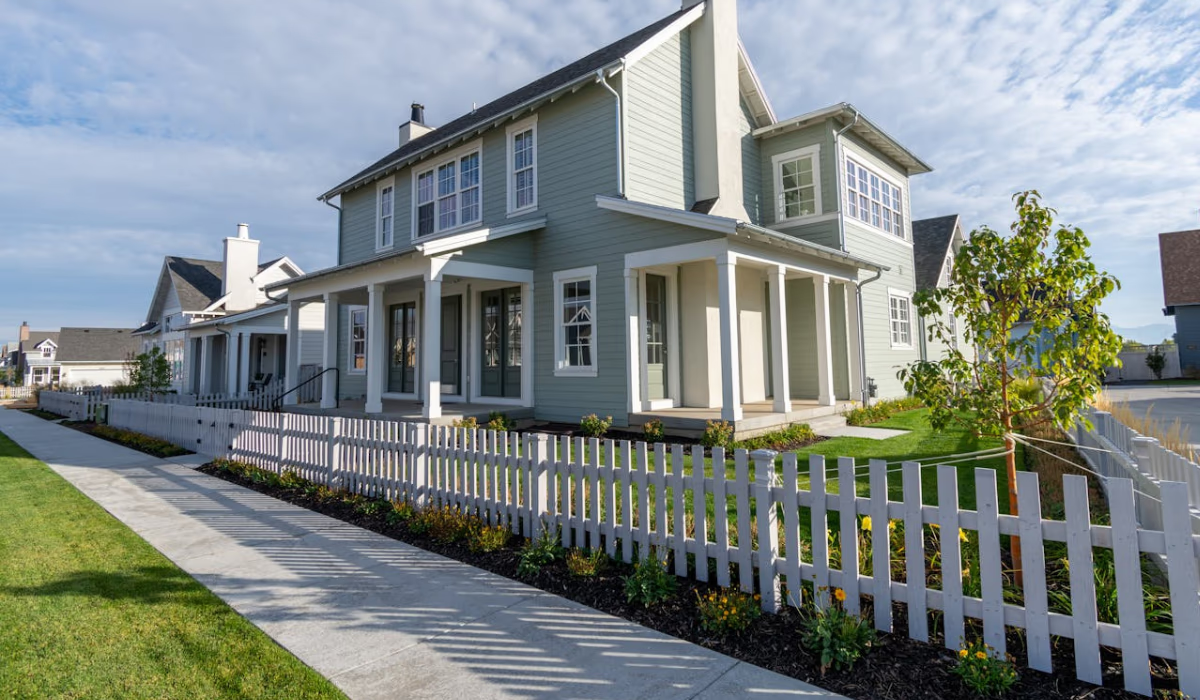
Your front yard fence makes a statement first — it sets the tone for the rest of your home. Whether you want a fence that offers privacy, adds architectural style, or fits a small yard, there are many ways to balance aesthetics, functionality, and local regulations. Here are ideas to help you imagine a fence that looks great and works well.
Modern Front Yard Fence Ideas
For a contemporary look, modern front yard fences often use clean lines and mixed materials like metal, wood, or concrete. Horizontal wood slats paired with steel frames create sleek, minimal designs that work well with modern homes. Frosted or semi-transparent materials like glass panels can also add modern flair while still allowing light through. A design that blends two materials — for example wooden gates placed between stone wall segments — adds texture and visual interest without looking cluttered.
Front Yard Fence Ideas with Gates & Entrances
A well-designed gate can transform the front yard fence from a simple boundary into a welcoming entrance. Gates that match the style of the house in material, color, or detailing feel cohesive. Decorative hardware, arched tops, or trellis detailing over gates make them focal features. Even in modest yards, a gate leading to a walkway or courtyard adds dimension. Built-in planters or small seating areas by the gate can enhance usability and charm.
Small Front Yard Fence Ideas
When space is limited, small front yard fence ideas focus on keeping the area feeling open yet defined. Low profile fences that match the home’s material or color help maintain continuity without overwhelming the yard. Semi-privacy slatted fences or picket fences with modest height define boundaries while preserving sightlines. Lighter colors, slender posts, and gaps or spacing in wood or metal fences reduce visual weight. Simple designs mean easier maintenance and less visual clutter.
Privacy-Focused Front Yard Fence Designs
For increased privacy, fences with vertical or horizontal boards spaced tightly are effective. Solid fences of wood, composite, or concrete blocks block views and provide noise reduction. Living fences — dense hedges, bamboo, or climbing plants on trellises — offer natural screens that soften hard edges and mature into full coverage over time. Semi-opaque designs with lattice tops or partial panels can give privacy where needed without creating a fortress appearance.
Choosing Materials & Color for Front Yard Fencing
Material choice shapes both appearance and durability. Wood offers warmth, natural texture, and customization in stain or paint. Metals like steel or aluminum are durable and suit modern styles. Concrete, stone, or block materials create solidity and are low maintenance. Color matters too — dark trims or black steel can frame homes well; natural wood tones or soft neutrals blend with landscapes. A fence that harmonizes with the materials, roofline, and color palette of the home will always look more integrated.
Maintenance Considerations and Local Rules
Fence height, design, and materials may be regulated by local building codes or homeowner association rules. Be sure to check what heights and solid- vs open-style fences are allowed in front yards in your area. Some styles require more upkeep: wooden fences need protection from weather, metals need coatings or rust prevention, plants in living fences require pruning, watering, and care. Budget both initial cost and ongoing maintenance when choosing your design.
Conclusion
Front yard fence ideas offer many paths to improve both privacy and curb appeal. Whether you go with a modern horizontal slat, a welcoming gate feature, a simple fence for a small yard, or a solid privacy screen, what matters is that the style suits your home and needs. Factor in materials, design, local rules, and upkeep ahead of time so your fence not only looks great now but keeps looking good for years.
FAQs
What height is good for a front yard fence that balances privacy and openness?
Fences of three to four feet often offer privacy while keeping the view open; taller fences give more privacy but can feel imposing and may be subject to regulations.
Can I mix solid and open fence panels to get privacy without blocking everything?
Yes, combining solid lower sections with open panels or lattice tops provides privacy while letting light through and reducing heaviness.
What materials are best for a low-maintenance front yard fence?
Composite materials, metal with powder coating, or treated woods with proper finishing tend to last longer with less upkeep. Living fences require regular trimming and care.
Do I need a gate for every front yard fence design?
A gate isn’t strictly necessary, but adding one often improves functionality, entrance appeal, and allows controlled access. Even a modest gate can become a nice design feature.
How do I choose a fence style that matches my house?
Look at the architectural style and materials of your home. For example, modern houses suit horizontal slats and mixed materials; traditional homes fit picket or wrought iron designs. Matching color tones or trim details helps unify fence and house appearance.