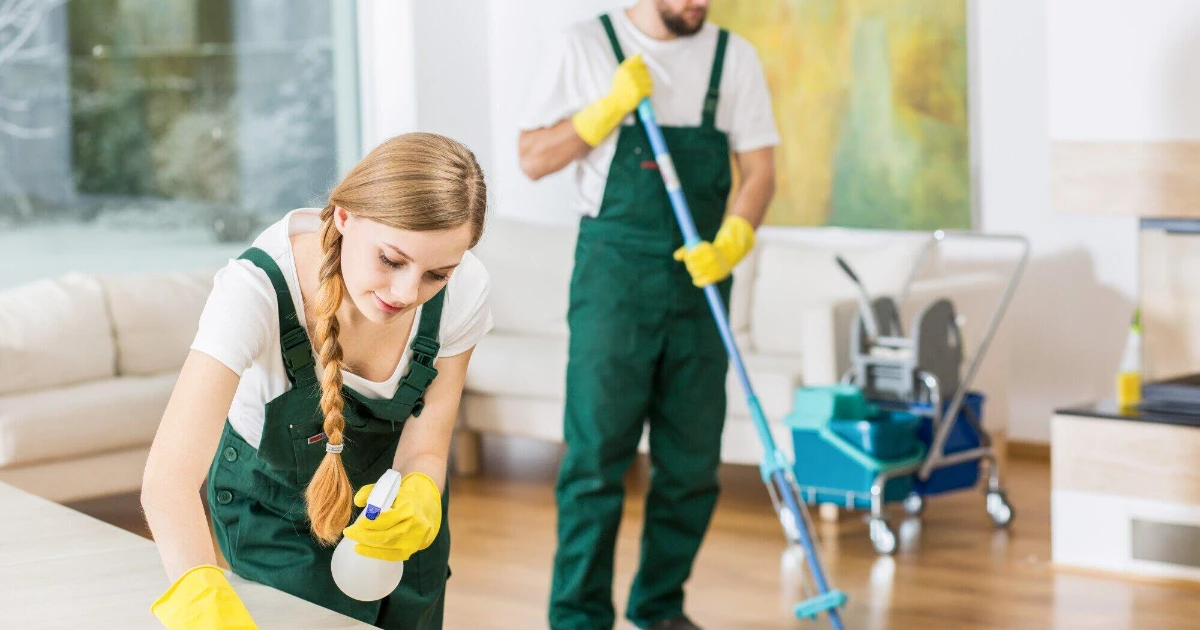
A clean home is more than just visually appealing-it directly affects comfort, productivity, and even mental well-being. Yet many people still approach cleaning as a rushed, surface-level task, focusing only on what’s visible. The result is a cycle of dust buildup, clutter recurrence, and endless weekend deep-cleaning sessions.
A better solution lies in a whole-space cleaning approach: a systematic method that treats your home as an interconnected environment rather than isolated rooms. Read on.
Understanding How Dust and Clutter Move
Whole-space cleaning starts with understanding how dust and clutter move. Dust doesn’t respect boundaries; it travels through air circulation, settles on high surfaces first, and gradually works its way down.
Similarly, clutter spreads from “drop zones” like entryways, tables, and counters. Instead of reacting to messes room by room, a more effective strategy is to clean in layers-top to bottom and cleanest to dirtiest areas-so nothing gets re-contaminated.
Step One: Cleaning from the Top Down
The first layer focuses on air and high surfaces. Ceiling fans, light fixtures, curtain rods, and shelves are often neglected but accumulate the most dust.
Cleaning these areas first prevents debris from falling onto already-cleaned surfaces. A microfiber cloth or extendable duster works best, as it traps particles instead of dispersing them.
Step Two: Resetting Cluttered Spaces
Next comes surface decluttering. This step is less about deep cleaning and more about resetting visual order.
Items should be returned to designated places, unnecessary objects removed, and frequently used items organized for accessibility. The goal is not perfection but clarity-reducing the mental load that comes from visual chaos.
Step Three: Deep Cleaning High-Touch Areas
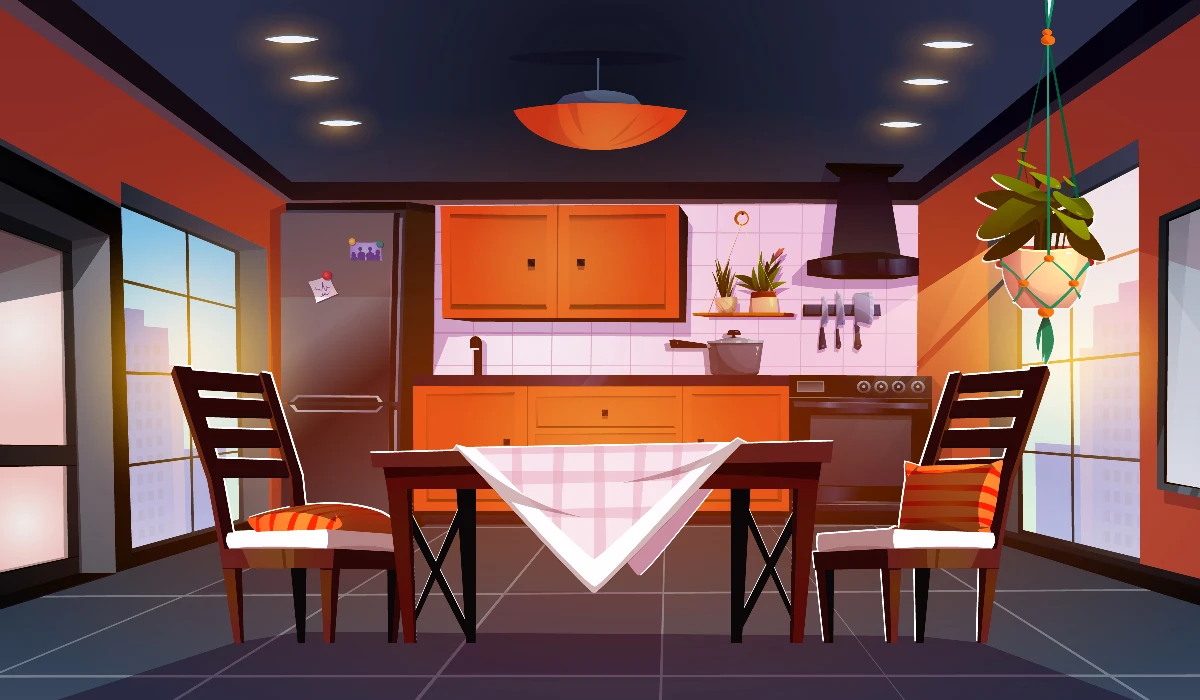
The third layer involves detailed cleaning of furniture, appliances, and fixtures. Wiping down tables, disinfecting kitchen counters, cleaning bathroom sinks, and polishing mirrors ensures that high-contact areas are hygienic. This step often reveals how much buildup is missed in daily quick wipes, especially in corners and edges.
Step Four: Finishing with the Floors
Finally, floors are addressed last. Vacuuming or sweeping before mopping ensures that all debris from the upper layers is fully removed.
For homes with multiple surfaces-tiles, wood, or rugs-it’s important to adjust cleaning methods accordingly. Floors should always be the final step, as they collect everything dislodged from above.
Building a Sustainable Cleaning System
A key advantage of whole-space cleaning is maintenance efficiency. Instead of exhausting weekend marathons, daily or alternate-day micro-routines keep the system stable.
Ten to fifteen minutes of focused upkeep per zone can prevent the need for major deep cleans. Over time, this method reduces effort while improving consistency. Check out https://defreitascleaningservices.com/ to learn more.
Shifting the Mindset Around Cleaning
Another important element is mindset. Cleaning should not be seen as a reactive chore but as a maintenance system, similar to caring for a vehicle. When every item has a place, and every surface follows a predictable cleaning cycle, the home begins to function more smoothly.
From Routine Chore to Lasting Order
Ultimately, “from dust to shine” is not just about achieving a spotless home. It’s about creating a sustainable rhythm where cleanliness is maintained effortlessly. By shifting from scattered efforts to a structured whole-space approach, anyone can transform cleaning from a draining task into a manageable, even satisfying, part of everyday life.
If you want to read more articles, visit our blog.