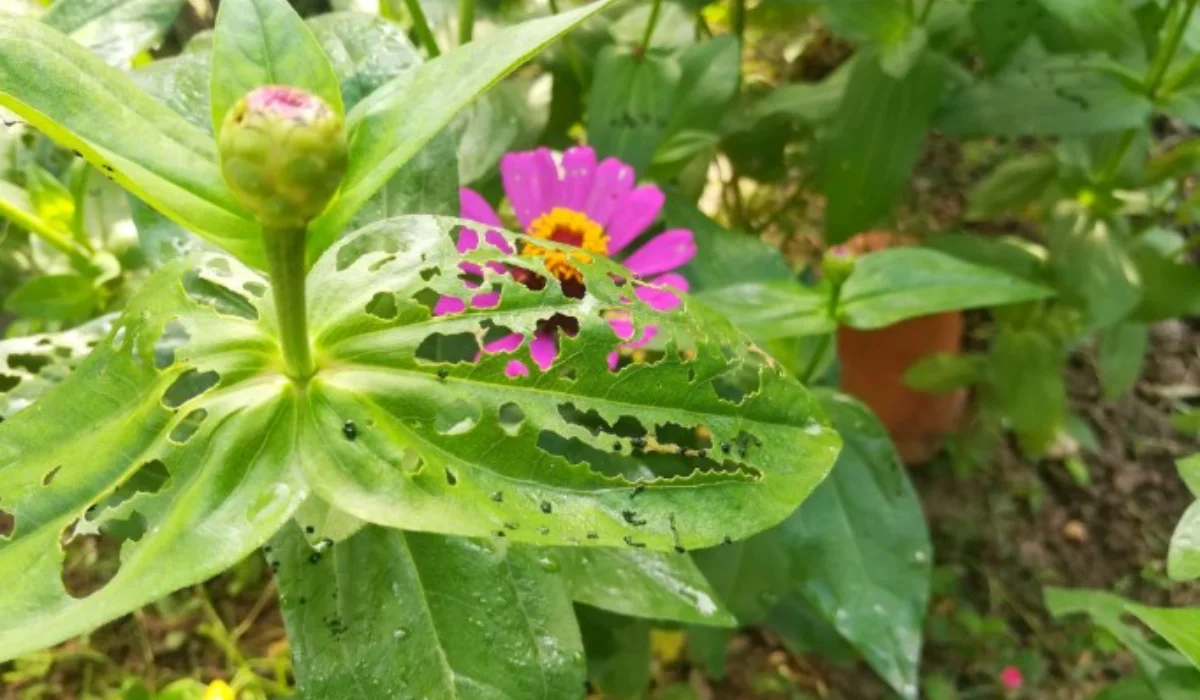
You step into your backyard on a warm Brisbane evening, proud of the lush beds you spent months planning, the winding paths, and that new water feature gurgling gently in the corner. The garden looks exactly like the Pinterest dream you had in mind. Then it starts the high-pitched whine of mosquitoes near your ears, ants marching along the fence line, and something rustling under the dense shrubs. Your beautiful outdoor sanctuary isn’t just hosting your family. It’s hosting an uninvited army of pests.
Most homeowners focus on colour, texture, and creating that perfect Instagram-worthy space. Very few realise that the very design choices meant to bring beauty and relaxation are often the same ones quietly building a five-star resort for pests. The result is more mosquitoes, garden-destroying insects, rodents, and ants than necessary. The good news is that with a few intentional adjustments, you can keep the beauty while dramatically reducing the bug pressure.
Dense Plantings That Trap Moisture and Turn Into Pest Hotels
One of the most frequent design mistakes is packing plants too tightly to achieve that full, abundant cottage-garden look. While it looks lush in photos, it creates terrible airflow and traps humidity close to the soil.
In Brisbane’s humid subtropical climate, this dense planting becomes a perfect breeding environment. Aphids and spider mites multiply quickly on stressed plants, which then attract larger pests. Overgrown shrubs planted right against the house create hidden highways for ants, cockroaches, and even rodents to move indoors unnoticed.
I once worked with a family in Brisbane’s western suburbs who had invested heavily in a romantic cottage-style garden. The dense lavender, salvia, and buxus looked magical from the patio, but every evening the area was unbearable because of mosquitoes. After we thinned the planting, increased spacing, and pruned for better circulation, the mosquito numbers dropped sharply within a couple of weeks. The garden still felt full and abundant, it just breathed better.
When planning new beds, always check the mature width of each plant and give it the space it needs from day one. Use strategic layering: taller plants at the back, mid-sized in the centre, and low groundcovers that don’t form thick mats. This simple change improves plant health, makes pest monitoring easier, and reduces hiding spots significantly.
Water Features, Mulch Layers, and Debris: The Unseen Pest Magnets
Water is essential for a thriving garden, but it’s also a life source for pests. Ornamental ponds, birdbaths, fountains, and even simple pot saucers that collect water become mosquito breeding grounds in just a few days. In humid conditions, a single stagnant spot can produce hundreds of larvae.
Thick organic mulch is another double-edged sword. It retains moisture beautifully and suppresses weeds, but it also creates a cool, damp shelter for slugs, snails, earwigs, pill bugs, and many other creatures. Piles of fallen leaves, pruned branches left on the ground, or forgotten pots and garden waste add even more food and protection.
Here’s a practical comparison many Brisbane gardeners face:
- Heavy, continuous organic mulch across the entire garden: Excellent moisture retention, but creates high pest habitat, requires frequent refreshing, and can encourage fungal issues.
- Targeted mulch with gaps + inorganic options (gravel/pebbles): Better drainage, fewer hiding spots, easier to spot problems early, and lower maintenance long-term.
- No mulch at all (bare soil): Dries out quickly, leads to heavy weed growth, and exposes plant roots to temperature swings.
The winning approach is using mulch thoughtfully. Keep it 5–8 cm deep, pull it back a few centimetres from plant stems, and refresh it rather than adding layer upon layer. In damp or high-traffic areas, consider mixing in or switching to pebble mulch for a clean, modern look that pests find far less inviting.
Plant Selection That Disrupts or Supports Natural Balance
Choosing the wrong plants or too many of the same type can quietly tip the ecological balance in favour of pests. Many popular exotic ornamentals look stunning but offer little natural resistance to local pests and don’t support the beneficial insects that keep populations in check.
Native and climate-adapted plants, on the other hand, are generally more resilient and help maintain a healthier balance by attracting predatory insects and birds. However, even natives need proper placement. Certain fruiting trees or heavily flowering shrubs can become buffets for fruit flies, rodents, and possums, especially when planted in large numbers close to the house or near structures that provide easy climbing access.
In one memorable job in the northern suburbs, the homeowner’s paradise palms and multiple fig trees were drawing massive numbers of fruit flies, rodents, and possums every season. By replacing some of the high-maintenance exotics with more resilient native alternatives and improving spacing, we reduced the food sources while keeping the lush tropical feel the family loved.
Take time to research plants that suit your specific microclimate and soil. Aim for diversity rather than monoculture. A varied garden isn’t just more visually interesting, it’s also a natural form of pest defence.
Hardscaping and Structures That Create Hidden Highways
Fences, raised garden beds, retaining walls, and decorative edging give structure and definition to your garden. But they can also create a perfect pest infrastructure. Gaps under fences, hollow spaces in retaining walls, or timber in direct contact with soil offer nesting sites for termites, carpenter ants, and rodents. Vines and overhanging branches on fences provide both cover and easy access routes.
Even well-intentioned features like wooden pergolas or cluttered storage areas near garden edges can compound the problem. Compost bins placed too close to the house are a classic invitation for unwanted visitors.
When installing hardscaping, seal gaps properly and use treated timber or metal edging where possible. Keep wooden elements elevated off the soil and inspect them regularly. A well-designed hardscape should guide both people and water flow efficiently, making sure it doesn’t accidentally guide pests straight toward your home.
Evening Lighting and Garden Layouts That Invite Nocturnal Guests
Outdoor lighting extends the time you can enjoy your garden, but poor placement can backfire. Lights attract moths, beetles, and other flying insects, which then draw spiders, geckos, and sometimes even bats. When these lights are positioned near dense planting or close to doors and windows, they funnel pests directly toward your living spaces.
Cozy, enclosed seating nooks surrounded by heavy vegetation feel intimate and private but often trap warmth and create pockets of still air where insects congregate.
Simple adjustments make a big difference: use motion-sensor lights or yellow “bug lights” in key areas, position lighting to highlight paths rather than blanket planting beds, and create more open gathering spaces away from thick vegetation. These changes preserve the evening ambiance while reducing the nocturnal insect traffic significantly.
When Smart Design Still Needs Professional Support
Even with the most thoughtful garden design, some pest pressures, especially in Brisbane’s warm, humid conditions, can persist. When you’ve already improved airflow, reduced moisture traps, and chosen better plants, but problems continue, it’s wise to bring in expert help.
Local professionals understand the specific pest patterns in our region and can deliver targeted solutions that work alongside smart garden design rather than against it. Services like SWAT Pest Control Brisbane offer practical, effective support for homeowners who want to enjoy their gardens without constant battles.
Design Gardens That Work With You, Not Against You
The most successful and pest-resistant gardens aren’t sterile or boring. They are intentional spaces that balance beauty, function, and ecology. Every element you add from plants and mulch to lights and structures influences the tiny ecosystem right outside your door.
Next time you plan a new bed, install a feature, or refresh an existing area, pause and ask yourself two questions: Does this choice create extra shelter, moisture, or easy food for pests? Or does it promote airflow, natural balance, and easier maintenance?
The answers might surprise you. But the reward is a garden you can actually relax in, one that feels like a true extension of your home rather than a nightly pest convention.
That quiet satisfaction of stepping outside and enjoying a space that truly works with you is what turns a good garden into one you love for years to come.