
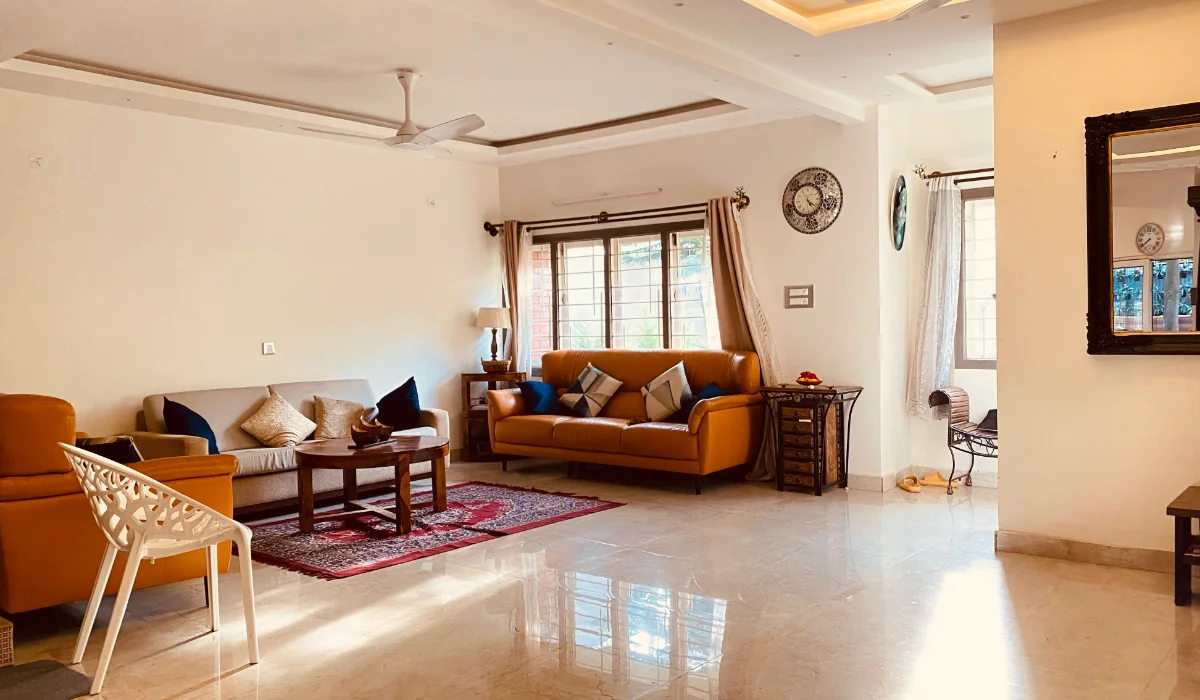
A comfortable modern home should balance style, function, and warmth. With versatile furniture, calming colors, natural elements, and soft textures, you can create a relaxing retreat that feels practical, inviting, and personal.
Design Principles for Modern Comfort
A stylish, comfortable modern home pairs good design with practical function. Balancing beauty, natural light, and open layouts helps the space feel inviting.
Balancing Aesthetics With Functionality
When designing a modern home, consider both form and function. Choose sleek furniture with storage or decor that also solves a practical need. This balance helps the space work for everyday life while still feeling relaxing.
Use a mix of textures and materials, such as wood and metal, to create a welcoming atmosphere. Reduce clutter so the room is easier to maintain. When every piece supports your lifestyle, your home feels more organized and comfortable.
Optimizing Natural Light
Natural light transforms a home, making it feel open and airy. Consider window placement early in your design process, especially if you are working with an architect to refine the layout. Large, unobstructed windows can brighten a room and improve the mood.
Mirrors reflect light and can make smaller spaces feel larger. Light, neutral colors on walls and furnishings echo natural brightness and create an inviting environment. A well-lit space can feel more comfortable and energizing.
Embracing Open-Concept Layouts
Open-concept layouts are common in modern design and can create a sense of spaciousness. Removing unnecessary walls allows easier movement between living, dining, and kitchen areas, making the home more flexible for gatherings.
Arrange furniture thoughtfully to define areas within the open layout, using rugs or lighting to distinguish zones. A cohesive color palette can unify the spaces visually while preserving a flexible environment for daily routines.
Choosing Furniture and Decor That Invites Relaxation
Creating a tranquil living space depends on furnishings and decor that promote comfort. Ergonomic choices support physical ease, while thoughtful textures and colors can feel soothing.
Selecting Ergonomic Pieces
When you think of relaxation, comfort should come first. Ergonomic furniture supports your body, so consider couches and chairs with lumbar support and cushions that mold to your shape. This can reduce strain and improve comfort over longer periods.
Adjustable pieces, such as reclining chairs or height-adjustable tables, offer flexibility. Materials matter too, so choose breathable, soft fabrics that invite you to unwind after long days.
Layering Textures and Fabrics
Textures add depth and comfort to your space, making rooms feel more inviting. Layering different textiles, such as plush throws, velvet cushions, and soft rugs, can create a cozy and welcoming atmosphere. Rugs, in particular, are fantastic for adding warmth, making them ideal for anyone looking for rugs that enhance comfort and design.
Incorporate materials like wool, cotton, or silk into your decor to create a pleasant tactile experience and visual softness. Mixed textures can enrich the room when they work together instead of competing.
Using Calming Color Palettes
The colors and tones of your home have a substantial impact on your mood. Calming shades, such as soft blues, gentle greens, or muted beiges, can evoke peace and relaxation. These colors are often associated with tranquility and can make rooms feel more expansive and open.
Consider using a monochromatic palette with varying tones for more subtlety, or introduce accent colors with decor pieces like cushions or artwork. Soft pastels can add a hint of color without overwhelming the senses. Choosing colors thoughtfully can transform your living space into a serene retreat.
Incorporating Technology for Everyday Ease
Modern homes can significantly benefit from incorporating technology that enhances daily living. By using smart devices, advanced lighting solutions, and air quality improvements, you create a space that is not only efficient but also comfortable and inviting.
Integrating Smart Home Devices
Smart home devices bring convenience and control to your fingertips. You can manage everything from thermostats and security systems to kitchen appliances through apps or voice commands. For example, a smart thermostat learns your schedule and adjusts accordingly, helping reduce energy costs.
Smart speakers like Amazon Echo or Google Home can play music, set reminders, and control other devices in your home. With these technologies, you automate routine tasks, giving you more time for what you truly enjoy.
Enhancing Ambiance With Lighting Solutions
Lighting plays a crucial role in setting the mood in any room. Smart lighting systems allow you to customize the brightness and color of your lights through apps or timers. This customization means you can have bright, energizing light during the day and soft, warm tones in the evening.
Consider installing motion sensor lights for added efficiency and convenience, especially in areas like hallways or bathrooms. Working with a professional electrician can help ensure smart lighting systems and automated controls are installed safely and perform reliably over the long term. By adjusting lighting to fit your lifestyle and preferences, you enhance both the atmosphere and functionality of your home.
Improving Indoor Air Quality
Indoor air quality can be significantly improved with modern technology. Smart air purifiers monitor pollutants and adjust their settings automatically to ensure clean air. Many devices also track humidity and temperature, providing recommendations to keep your environment comfortable.
Additionally, smart sensors can alert you to changes in air quality, ensuring your home remains a healthy space. Integrating these technologies helps maintain a clean and healthy living environment, contributing to your overall well-being.
Personal Touches That Make a Home Feel Loved
Making a home feel loved involves adding elements that reflect your personality and preferences. By incorporating meaningful art, creating hobby spaces, and fostering green environments, a house becomes a true reflection of you.
Displaying Meaningful Art and Photos
Decorating your home with art and photos is a wonderful way to express yourself and share your story. Choose pieces that carry special meaning, such as artwork by a favorite artist or cherished family photos. The placement of these items matters. Consider displaying them where they can be easily appreciated by you and your visitors.
Create a gallery wall to feature a mix of framed photos, prints, and perhaps some cherished mementos like concert tickets or postcards. This adds a personal narrative to your walls. Go for a mix of sizes to create a dynamic look. Coordinate frames or mix and match styles for an eclectic feel. Using art and photos strategically not only enhances aesthetic appeal but also creates a comforting connection to memories and loved ones.
Creating Spaces for Hobbies
Your home should support and encourage your interests and hobbies. Whether you’re an artist, musician, or avid reader, designating an area specifically for what you love can greatly enhance your daily life. It doesn’t have to be a large room; even a small corner dedicated to your pursuits can make a big difference.
If you love painting, invest in an easel and some storage for your supplies. Readers might consider a cozy nook with a comfortable chair and good lighting. Musicians can create a small studio space with their instruments and gear. Make this space inviting and organized. By dedicating parts of your home to your hobbies, you nurture your passions, making your home a supportive environment for creativity and relaxation.
Nurturing Plants and Greenery
Plants breathe life into any space, and a touch of greenery can transform the ambiance of your home. Consider incorporating a mix of houseplants that suit your lifestyle and environment. If you’re new to plant care, starting with easy-going varieties like snake plants or pothos can be rewarding.
Place plants strategically to enhance visual interest. A fiddle leaf fig standing tall in the corner, or a cluster of small succulents on your windowsill, can add charm. Use hanging planters to bring greenery to eye level. Plants can also add color and texture, though typical houseplants may not meaningfully improve air quality alone. Caring for them can be a therapeutic and fulfilling experience, contributing a sense of love and care to your living spaces.
Bringing Comfort and Style Together
Creating a comfortable modern home comes down to thoughtful choices that balance style, function, and personal warmth. From natural light and open layouts to calming colors, smart technology, and meaningful decor, each detail helps shape a space that feels inviting, practical, and truly your own.