Most homeowners eventually learn the same lesson the expensive way. Home improvement projects rarely stay as simple as they looked at the beginning. A small repair turns into a larger renovation. Material prices climb halfway through the project. Contractors uncover hidden problems after walls or flooring come apart.
The financial pressure usually comes from the unexpected. People prepare for visible upgrades. What catches them off guard are the secondary costs that slowly build in the background while the project keeps moving forward.
Underestimating Project Costs Creates Financial Pressure Quickly
A renovation budget often looks reasonable in the planning stage. Then the actual work begins. Material costs change. Labor takes longer than expected. Electrical or plumbing issues appear after construction starts. Homeowners who initially felt financially prepared sometimes realize the original estimate no longer reflects reality.
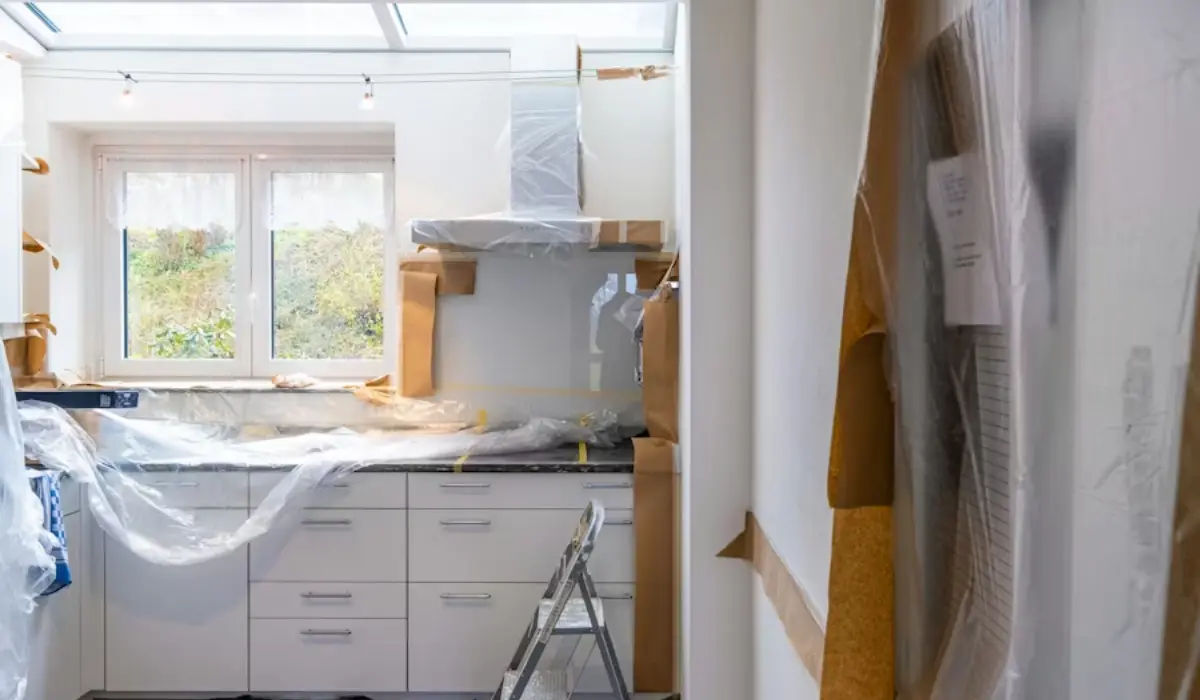
Kitchen renovations regularly create this problem because there are so many moving pieces involved. Cabinets, flooring, appliances and installation costs rarely stay perfectly aligned with the first budget homeowners create. Many people only realize halfway through a project that there were important things they wish they knew before getting into a kitchen remodel, particularly once unexpected costs begin piling onto the original estimate.
The emotional side of renovation spending matters too. Once work has already started, people often feel pressured to keep upgrading additional areas nearby. A countertop replacement suddenly leads to lighting changes. Flooring updates turn into repainting walls and replacing fixtures. Expenses spread gradually through the house before homeowners fully notice how much the project has expanded.
That’s often where financial stress begins building. The project itself may still feel exciting although the budget starts moving in a direction the homeowner didn’t originally anticipate.
DIY Decisions Sometimes Become More Expensive Later
Doing renovation work independently can absolutely save money in certain situations. Painting rooms, installing shelves, or handling smaller cosmetic updates may feel manageable for homeowners willing to invest time and effort into learning carefully about the process.
Some projects become far more complicated once structural work, plumbing or electrical systems are involved. A mistake behind a wall may not become visible immediately. Problems sometimes surface weeks later after water damage develops or wiring issues begin affecting other parts of the home.
There is also the reality that unfinished projects create their own financial strain. People occasionally underestimate how long larger DIY renovations actually take. This can add further stress to the lives of those balancing work schedules and family responsibilities at the same time. A project that was supposed to take one weekend can quietly stretch across several months.
Contractors then end up addressing both the original issue and the mistakes made during the first attempt. That added labor can increase costs significantly compared to hiring professional help from the beginning.
Delaying Smaller Repairs Can Increase Overall Costs
Homeowners often delay repairs for understandable reasons. Budgets feel tight. Schedules stay busy. The issue may not seem urgent enough to justify immediate spending. Still, smaller problems inside a house rarely stay small forever.
A roof leak may initially look manageable, even when partially replacing materials, until moisture spreads into insulation or drywall. Plumbing leaks revealed during a bathroom upgrade sometimes damage the flooring quietly before homeowners fully notice how serious the issue has become. Heating systems often show warning signs long before complete failure happens during colder months. Often, these issues are ignored in favor of addressing them at a later date.
These situations become financially frustrating because earlier repairs would usually have cost far less. What started as a manageable issue gradually grows into a much larger expense after enough time passes.
That cycle happens in many homes simply because people are trying to balance too many financial priorities simultaneously. Mortgage payments, groceries, insurance and utilities already demand attention each month before repair costs even enter the conversation.
Some Homeowners Explore Financing Options After Costs Increase
Unexpected renovation expenses sometimes arrive before homeowners have enough savings available to comfortably absorb them. Emergency structural repairs, major plumbing failures or rising contractor costs may force people into financial decisions much faster than they originally planned.
In those situations, some homeowners begin comparing temporary financing solutions while trying to avoid leaving projects unfinished midway through repairs. During that process, options like CreditNinja loans may become part of the broader conversation around managing unexpected financial gaps connected to larger home improvement costs.
Repayment structure usually becomes one of the biggest concerns during these moments. Homeowners often look carefully at monthly payment expectations because renovation expenses can already place enough strain on existing household budgets.
Borrowing decisions still deserve careful thought. People dealing with urgent repair situations sometimes feel pressured to act quickly, though understanding repayment timelines and overall costs may help prevent additional financial strain later.
Rushing Renovation Decisions Often Leads To Overspending
Homeowners under pressure sometimes make expensive decisions simply because they want the project finished as quickly as possible. That urgency affects spending habits more than people initially realize.
Contractor estimates may receive less scrutiny. Material upgrades become easier to justify emotionally. Homeowners may agree to additional project changes without fully considering how the extra costs affect the larger budget. The pace of renovation work itself can make spending feel surprisingly abstract for a while.
Social media also influences expectations around home improvement projects now. People constantly see polished renovation results online without seeing the financial tradeoffs behind those projects. Owning a home usually involve compromise somewhere, especially when budgets are limited.
That doesn’t mean homeowners should avoid improving their spaces entirely. Careful planning simply matters more than people sometimes expect during the excitement of starting a renovation.
Better Planning Usually Reduces Long-Term Financial Stress
Most renovation mistakes don’t happen because homeowners make irresponsible decisions intentionally. Problems usually develop gradually through optimism, rushed timelines or inadequate budgeting during the early planning stage.
A little extra preparation often prevents much larger financial stress later. Comparing estimates carefully, building emergency room into the budget and slowing down major decisions may help homeowners avoid some of the most common renovation problems.
Unexpected expenses will probably always remain part of homeownership to some extent. Houses age. Materials wear down. Repairs appear when people least expect them. That part never fully disappears.
Still, homeowners who approach projects with realistic expectations usually place themselves in a much stronger financial position once the real costs begin showing up.