
Choosing the correct ceiling fan size is essential for comfort, airflow efficiency, and overall room aesthetics. Many homeowners search for ceiling fan dimensions to ensure the fan fits the room properly and delivers effective air circulation. A fan that is too small may not cool efficiently, while an oversized fan can overwhelm the space and look unbalanced. This guide explains standard ceiling fan dimensions, room size recommendations, mounting considerations, and clearance rules to help you make the right choice.
What Are Ceiling Fan Dimensions
Ceiling fan dimensions usually refer to the blade span, which is the diameter of the circle created by the rotating blades. This measurement determines how much air the fan can move within a room. Blade span is measured from the tip of one blade straight across to the tip of the opposite blade.
Understanding ceiling fan dimensions helps homeowners select a fan that matches room size and ceiling height. Proper sizing improves airflow efficiency. Correct dimensions also enhance visual balance.
Standard Ceiling Fan Sizes Explained
Ceiling fans are commonly available in sizes ranging from 24 inches to over 72 inches in blade span. Small fans are designed for compact rooms, while larger fans suit open or oversized spaces. Each size category serves a specific purpose.
Knowing standard ceiling fan dimensions prevents installation mistakes. Manufacturers design fans based on airflow needs. Choosing the right size ensures effective cooling.
Ceiling Fan Dimensions by Room Size
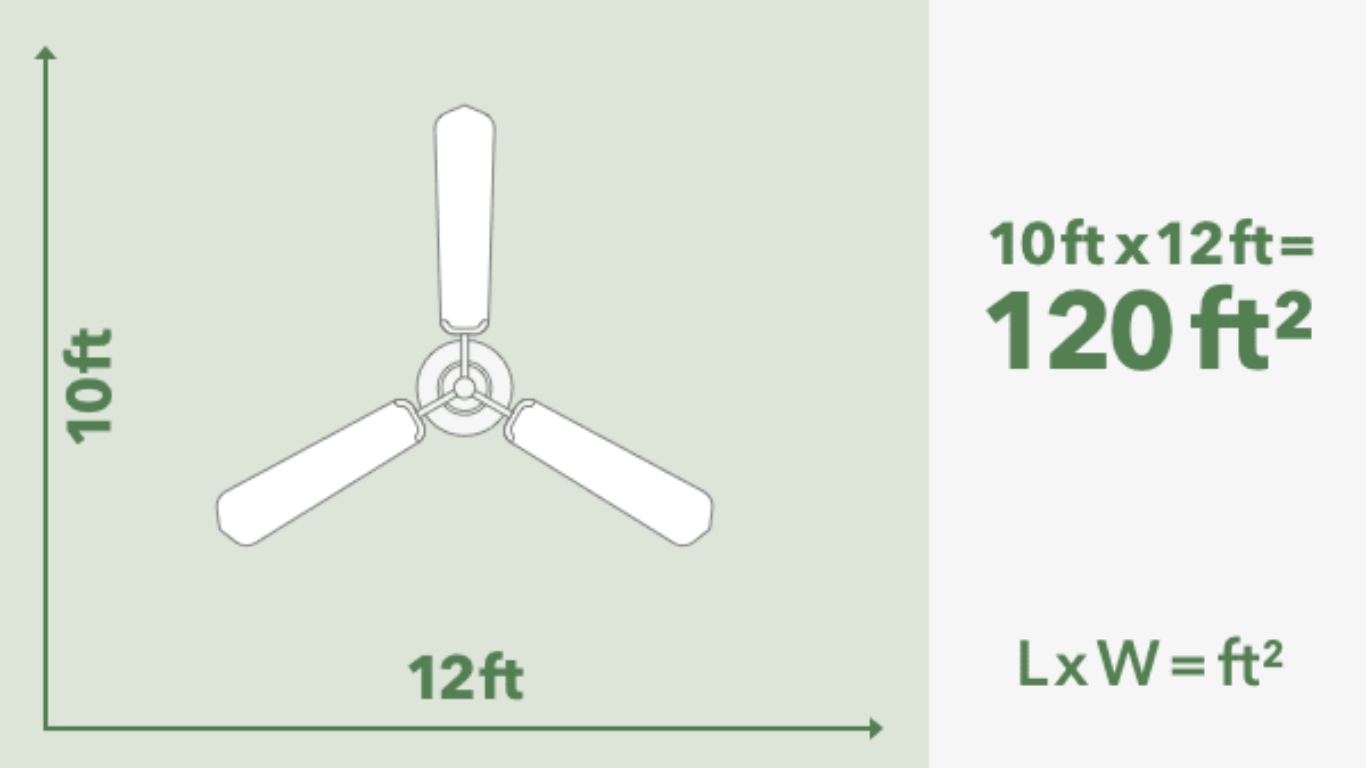
Room size plays a major role in determining the correct fan dimensions. Small rooms up to 75 square feet work best with fans between 24 and 36 inches. Medium rooms between 100 and 200 square feet typically require fans sized 42 to 48 inches.
Larger rooms over 300 square feet benefit from ceiling fan dimensions of 52 inches or more. Oversized spaces may require multiple fans. Matching fan size to room size improves airflow.
Ceiling Height and Fan Clearance Requirements
Ceiling height affects fan selection and installation safety. Standard ceilings work well with downrod lengths that allow the fan to hang 7 to 9 feet above the floor. Low ceilings require flush-mount or low-profile fans.
Proper clearance is an important part of ceiling fan dimensions planning. There should be at least 18 inches between blade tips and walls. Adequate spacing ensures safe operation.
Blade Count and Blade Length Impact
Blade count does not change the overall diameter but can affect airflow and appearance. Most fans have three to five blades. Longer blades move more air at lower speeds.
Considering blade length helps refine ceiling fan dimensions choices. Balanced blade design improves performance. Aesthetic preferences also influence selection.
Ceiling Fan Dimensions for Bedrooms
Bedrooms typically require quieter fans with moderate airflow. Fans sized between 42 and 52 inches are ideal for most bedrooms. Proper sizing ensures comfort without excessive airflow.
Choosing appropriate ceiling fan dimensions for bedrooms supports better sleep quality. Quiet operation enhances relaxation. Proper fit avoids visual clutter.
Ceiling Fan Dimensions for Living Rooms
Living rooms often have larger floor space and higher ceilings. Fans sized 52 to 60 inches are common choices. Larger blade spans improve air circulation.
Selecting the right ceiling fan dimensions for living rooms improves comfort during gatherings. Adequate airflow supports temperature control. Balanced sizing complements décor.
Ceiling Fan Dimensions for Outdoor Areas
Outdoor fans are designed for patios and covered spaces. Larger blade spans help move air in open environments. Weather-resistant materials ensure durability.
Outdoor ceiling fan dimensions should match the space while allowing safe clearance. Larger sizes work better for patios. Proper sizing enhances comfort outdoors.
Choosing Between Single and Multiple Fans
Large rooms may require more than one ceiling fan. Instead of installing one oversized fan, multiple medium-sized fans can improve airflow distribution. This approach maintains balanced aesthetics.
Considering layout helps determine ideal ceiling fan dimensions. Strategic placement improves performance. Multiple fans offer flexibility.
Common Mistakes When Selecting Fan Dimensions
A common mistake is choosing a fan based only on appearance. Ignoring room size and ceiling height can lead to poor performance. Incorrect dimensions reduce efficiency.
Avoiding mistakes requires understanding ceiling fan dimensions fully. Measuring the room before purchase is essential. Proper planning ensures satisfaction.
Conclusion
Understanding ceiling fan dimensions is crucial for selecting a fan that delivers comfort, efficiency, and visual balance. Blade span, room size, ceiling height, and clearance all play important roles in proper selection. Correct sizing improves airflow and enhances overall living comfort.
By following standard guidelines and measuring your space carefully, you can choose a ceiling fan that fits perfectly. Properly sized fans provide better performance, safety, and long-term satisfaction.
FAQs
What is the most important ceiling fan dimension to consider?
Blade span is the most important dimension because it determines airflow coverage.
What size ceiling fan is best for a small room?
Rooms under 100 square feet usually work best with fans between 24 and 36 inches.
How much clearance is needed for ceiling fans?
At least 18 inches from walls and 7 feet from the floor is recommended.
Can a ceiling fan be too big for a room?
Yes, oversized fans can cause excessive airflow and look unbalanced.
Do higher ceilings require larger ceiling fans?
Higher ceilings often benefit from larger fans or longer downrods for effective airflow.