Modern bathroom design blends clean lines, minimalist layouts, and stylish finishes to create spaces that feel both fresh and functional. Whether you are planning a full bathroom remodel or simply updating fixtures, modern ideas can give your space a sleek, updated look. From large master bathrooms to compact powder rooms, there are many ways to embrace modernity without losing comfort or personality.
This guide covers essential elements of modern design—materials, layout, lighting, storage, and décor—so you can choose ideas that align with your style, budget, and space.
Key Elements of Modern Bathroom Style
A modern bathroom often features simplicity, functionality, and a touch of luxury. The style leans toward uncluttered spaces, neutral color palettes, and streamlined fixtures. Materials are chosen for clean finishes—think glass, metal, smooth stone, polished concrete, and lighter woods.
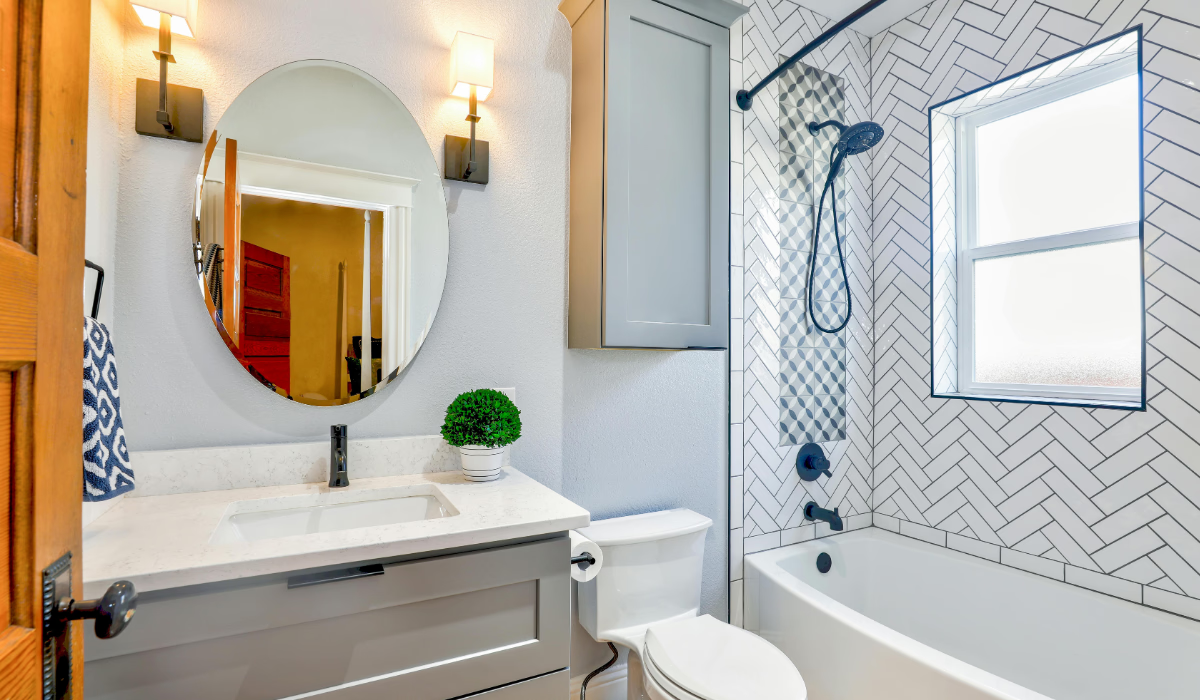
Fixtures should reflect the minimalism of modern design: floating vanities, frame-less glass showers, minimal hardware and thin profiles. The goal is to achieve visual lightness—fewer bulky pieces, more open sight lines, and fixtures that contribute to the look without drawing unnecessary attention.
Materials, Tiles and Finishes
Tiles and finishes play a huge role in modern bathroom design—the choice of texture, pattern, and color can make or break the aesthetic. Large format tiles, geometric patterns, marble or marble-effect finishes, polished surfaces, and matte stone are all popular because they lend a crisp, upscale feel.
Natural wood accents (e.g. wood vanities or shelving), stone slab walls, concrete or stone-look tiles, or mixed materials can add warmth and richness. Finishes like brushed metal or matte black for hardware bring contrast; reflective surfaces like glossy tiles or glass help in brightening the space and making it feel more spacious.
Layout, Space and Lighting
Modern bathrooms often maximize space and light. An open layout—such as walk-in showers, glass enclosures, and zero-threshold designs—helps remove visual barriers and keep the area feeling expansive. If you have small bathroom spaces, look for clever layout solutions like wet rooms or niches to organize shower or bath zones.
Lighting matters a lot: combine natural light sources (windows, skylights) with artificial lighting layers. Overhead lights, task lighting (near the mirror or vanity), and accent lighting (along shelves or recesses) together produce a balanced and adaptable atmosphere. LEDs, backlit mirrors, and integrated lighting offer modern, clean lines with functional benefits.
Storage and Furniture
Modern design often includes built-in or floating furniture to reduce visual clutter. Floating vanities, open shelving with clean brackets, recessed niches in showers or above tubs are great for storage without crowding the floor.
Furniture or vanities with sleek fronts (flat panels without much ornamentation), concealed hardware, hidden drawers, or minimal countertop items help sustain the clean, tidy look. Choosing materials that are water‐resistant, easy to clean, and durable ensures the modern style lasts beyond just looks.
Color Palettes and Accent Ideas
Neutral tones are at the heart of modern bathrooms—whites, grays, soft beiges, and earth-tones build a calm base. Accent elements in darker tones (black, charcoal), or in metallics (chrome, brass, matte black) provide contrast and depth. Also, pops of color via tile, decor, or feature walls can personalize without overwhelming.
Using consistent palettes across floor, wall and fixtures can help unify the space. For instance, matching tile on floor and shower wall, or using a statement sink with coordinating hardware and mirror, keeps the look cohesive.
Common Mistakes to Avoid
Even modern designs can go wrong. One mistake is choosing features that look sleek but are hard to maintain—high gloss finishes that show water spots, grout lines that are difficult to clean, or fixtures too delicate for frequent use.
Another issue is ignoring proportions: very large vanities in small bathrooms, or over-sized fixtures that dominate the space. Poor lighting or layouts that block natural light also diminish the modern aesthetic. Overdecorating with accessories or mixing too many materials without harmony can clutter what should feel minimal and streamlined.
Conclusion
Modern bathroom design is about balancing simplicity and functionality with visual appeal. Using clean materials, clever layout, quality lighting, smart storage, and quiet accent details lets you remodel in a way that feels fresh, stylish, and timeless. With thoughtful selections, your bathroom can evolve into a modern space that feels like a retreat.
FAQs
What is a floating vanity and why is it popular in modern bathrooms?
A floating vanity is one mounted to the wall without touching the floor. It creates a sense of openness, makes cleaning easier, and contributes to the clean, minimalist aesthetic typical of modern designs.
How do I choose tiles for a modern bathroom?
Go with large format tiles to reduce grout lines, neutral or stone-look finishes, and consider geometric or minimal patterns. Tiles that are easy to clean and moisture resistant will also help maintain the look over time.
Can modern bathroom design work in small spaces?
Definitely. Using glass enclosures, wall mounted fixtures, light colors, reflective surfaces, and good lighting helps make small bathrooms feel more spacious while retaining the modern style.
What lighting works best in a modern bathroom?
Layered lighting works best—combine overhead lighting with task lights (vanity/mirror), and accent lighting (shelves or niches). Fixtures with clean lines, recessed lighting, backlit mirrors or integrated LEDs contribute both function and style.