Replacing the windows in your home can be a valuable improvement. New windows can enhance the appearance of a property, improve comfort, reduce outside noise and help make rooms more energy efficient. However, window replacement is not a decision that should be rushed. Choosing the wrong products, overlooking important details or accepting an unsuitable installation service can lead to unnecessary expenses and disappointing results.
Many homeowners focus mainly on the appearance of new windows or the initial installation price. Although both are important, several other factors deserve attention before starting a project. Understanding common mistakes can help you make better decisions, avoid unexpected problems and get greater value from your investment.
Below are some of the most frequent mistakes homeowners make when replacing their windows and practical ways to avoid them.
1. Choosing Windows Based Only on Price
One of the biggest mistakes is selecting the cheapest available windows without considering their quality or long-term performance. A low initial price may seem attractive, particularly when several windows need replacing, but it does not always represent the best value.
Windows differ in terms of materials, glass specifications, insulation, security features and expected lifespan. A cheaper product may have less effective seals, lower-quality hardware or limited insulation performance. These differences can affect comfort and maintenance requirements over time.
Instead of comparing prices alone, consider what is included in the product. Look at the frame material, glazing specification, locking system, warranty and expected durability. A slightly more expensive option may provide better performance and require fewer repairs in the future.
Before making a decision, request a detailed window replacement quote that explains the products and services included. This makes it easier to understand whether the price reflects genuine quality or simply a lower specification.
2. Ignoring Accurate Measurements
Incorrect measurements can create serious problems during window replacement. Even a small measurement error may result in windows that do not fit properly, leaving gaps or requiring additional adjustments.
Poorly fitted windows can allow draughts and moisture to enter the property. They may also become difficult to open and close, affecting everyday convenience and security.
Measurements should account for the existing opening, frame condition and installation requirements. It is important not to assume that every window in the same property has identical dimensions. Older homes, extensions and properties that have undergone previous renovations may contain openings of different sizes.
Professional measurements are particularly valuable when replacing several windows or working with unusual shapes. Homeowners should also confirm whether the supplier or installer is responsible for taking final measurements.
Accurate measurements at the beginning of the project help reduce the risk of delays, additional costs and installation complications.
3. Overlooking the Importance of Energy Efficiency
Energy efficiency should be an important consideration when choosing replacement windows. Older or poorly maintained windows may allow heat to escape, making rooms uncomfortable during colder months.
Modern glazing systems can help improve thermal performance, but not every product offers the same level of insulation. The glass type, number of panes, spacing between panes, frame material and quality of installation all influence overall performance.
When comparing products, ask about their energy ratings and thermal performance. In the UK, the Window Energy Rating system can help homeowners compare the energy efficiency of different window products.
It is also worth considering the specific needs of your property. A home exposed to strong winds may benefit from better draught protection, while a property with large south-facing windows may require attention to solar heat gain.
Do not assume that every new window will automatically produce significant energy savings. The actual improvement depends on the condition of the existing windows, the replacement specification and other factors affecting the property’s energy use.
4. Not Comparing Different Window Materials
Window frames are available in several materials, each offering different advantages. Choosing a material without understanding its characteristics can lead to dissatisfaction later.
uPVC windows are popular because they are generally low-maintenance and available in various styles and finishes. Aluminium frames offer a modern appearance and can accommodate slim profiles, making them suitable for contemporary properties. Timber windows provide a traditional appearance and may be particularly appropriate for period homes, although they can require more maintenance.
The right choice depends on your budget, architectural style, maintenance preferences and performance requirements.
For example, a homeowner renovating a traditional property may prefer timber-style windows that complement the original design. Someone upgrading a modern home may prioritise the clean appearance of aluminium frames.
Compare the available materials carefully rather than choosing the first option offered. Ask about expected maintenance, warranties, durability and available colours before making a final decision.
5. Forgetting to Check the Installer’s Experience
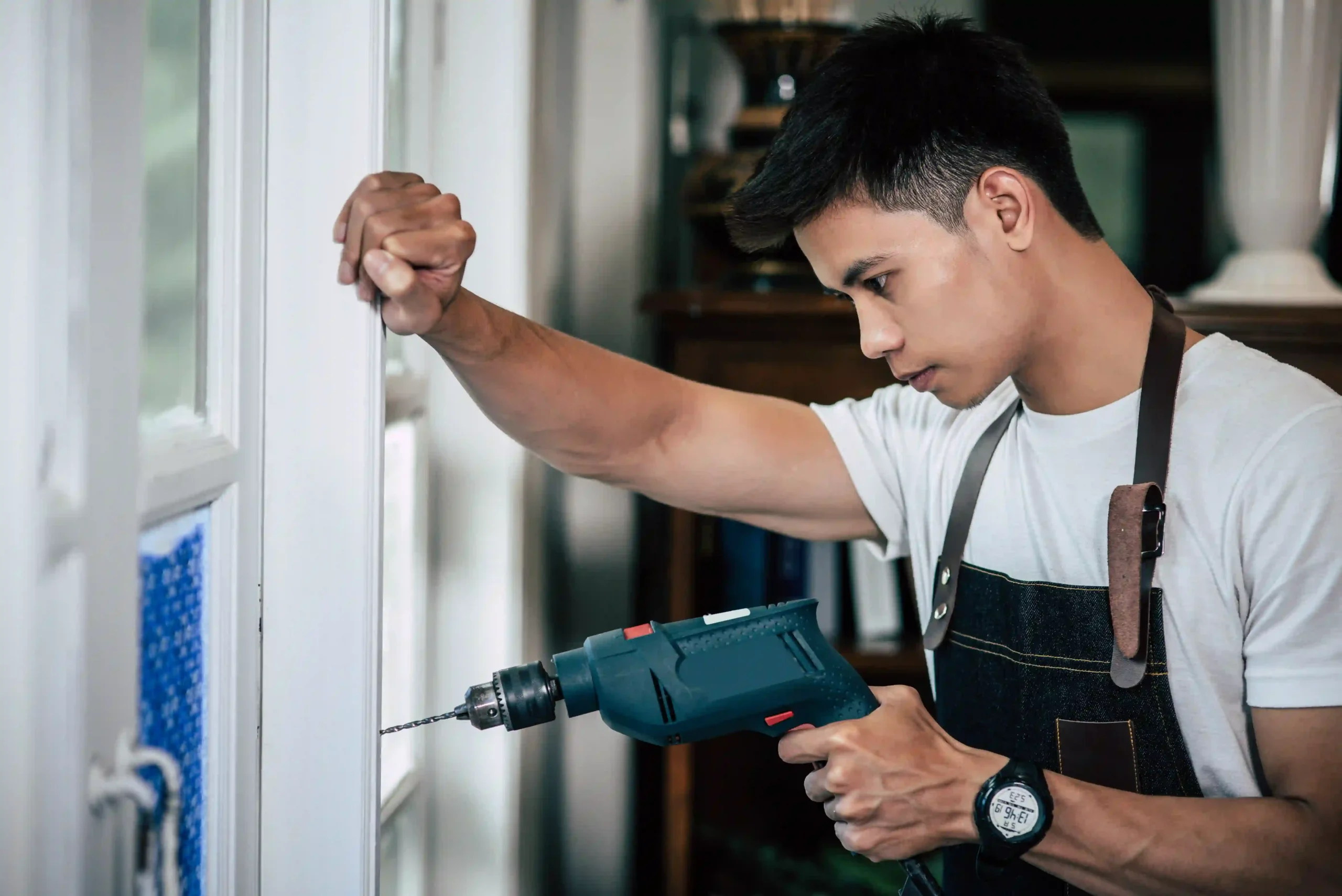
Even high-quality windows may perform poorly if they are installed incorrectly. Installation quality is just as important as the product itself.
Incorrect fitting can cause problems such as draughts, water penetration, uneven frames and difficulty operating the windows. Poor sealing may also reduce the thermal and acoustic benefits of new glazing.
Before selecting an installer, research their experience and reputation. Look for genuine customer feedback, examples of previous work and clear information about the services they provide.
In England and Wales, homeowners should also check whether the installer is registered with an appropriate competent person scheme, such as FENSA or CERTASS, where relevant. These schemes can help demonstrate compliance with applicable building regulations for replacement windows.
Ask who will carry out the installation, whether subcontractors are involved and what happens if problems arise after the work is completed.
A reliable installer should be willing to explain the process and answer reasonable questions without putting pressure on you to make an immediate decision.
6. Accepting a Quote Without Understanding What It Includes
A quotation should provide a clear explanation of the work and products being supplied. Unfortunately, some homeowners accept a price without checking the details.
This can create misunderstandings about installation, disposal of old windows, finishing work and additional charges.
For example, one company may include the removal of existing frames, waste disposal and internal finishing, while another may charge separately for these services. Both quotations might initially appear similar, but the actual value could be very different.
A detailed window replacement quote should ideally explain:
- The number and type of windows included.
- Frame material, colour and finish.
- Glass specifications and glazing options.
- Installation and labour charges.
- Removal and disposal of existing windows.
- Any additional building or finishing work.
- Warranty information and payment terms.
If something is unclear, ask for clarification before accepting the offer. Written details make it easier to understand the agreement and reduce the risk of unexpected costs during installation.
7. Choosing the Wrong Window Style
The appearance of replacement windows can significantly affect the overall character of a property. Selecting a style that does not suit the building may reduce its visual appeal.
Common options include casement, sash, tilt-and-turn and bay windows. Each design has different practical and aesthetic characteristics.
Casement windows are widely used in UK homes because they are simple and versatile. Sash windows are often associated with traditional properties, while tilt-and-turn designs can provide flexible ventilation and convenient cleaning access.
Bay windows can make rooms feel more spacious and allow additional natural light to enter, although their design and installation requirements may be more complex.
Consider the architectural style of your home, the available opening space and how you use each room. A window that looks attractive in a showroom may not necessarily be the best option for your particular property.
Where possible, review product samples or photographs of completed installations before deciding.
8. Ignoring Ventilation Requirements
Replacing old windows can change how air moves through a property. If ventilation is not considered, homeowners may experience condensation or increased indoor humidity.
Modern windows often provide better airtightness than older products. Although this can reduce unwanted draughts, adequate ventilation is still necessary to maintain healthy indoor conditions.
The appropriate solution depends on the property and the ventilation system already in place. Options may include suitable opening arrangements, background ventilation or other measures designed to provide controlled airflow.
Trickle vents are commonly used in some UK window installations, but requirements depend on the building regulations and circumstances of the project.
Before ordering new windows, discuss ventilation with the installer. This is particularly important in kitchens, bathrooms and bedrooms where moisture levels may be higher.
Good ventilation helps reduce condensation risks and contributes to a more comfortable indoor environment.
9. Overlooking Security Features
Windows are an important part of home security. Replacing old units provides an opportunity to review locking systems and other security features.
Homeowners should pay attention to the quality of locks, handles, hinges and frame construction. Some windows include enhanced locking points or additional security options designed to make unauthorised access more difficult.
It is also useful to consider recognised security standards. For example, products tested to PAS 24 may offer evidence of enhanced security performance when specified appropriately.
However, security is not determined by one feature alone. Correct installation, suitable glazing and the overall condition of the window assembly all matter.
Ask the supplier which security features are included as standard and whether additional upgrades are available. This can help you make a more informed decision without paying for unnecessary extras.
10. Failing to Consider Long-Term Maintenance
Some homeowners focus on how windows look immediately after installation without considering how much maintenance they may require over the years.
Different materials have different maintenance needs. uPVC frames generally require routine cleaning and occasional checks of moving parts. Aluminium windows are also relatively low-maintenance, although seals and hardware still need attention. Timber frames may require periodic painting, staining or protective treatment depending on their finish and exposure to weather.
Before choosing a product, ask about recommended maintenance procedures and expected costs.
It is also worth checking whether replacement parts, handles and locking mechanisms will be readily available in the future. This can make repairs easier and help extend the useful life of the installation.
A window should be considered a long-term investment rather than a product that only needs to look good on installation day.
11. Not Planning the Project Properly
Window replacement can affect your daily routine, particularly when several rooms are involved. Failing to plan the project may result in inconvenience or unnecessary delays.
Before installation begins, agree on a suitable schedule with the contractor. Ask how long the work is expected to take, whether all windows will be replaced on the same day and how the property will be protected during the process.
You may need to move furniture, remove curtains and blinds or clear access to window openings. If you work from home or have young children, consider how installation noise and temporary openings could affect your routine.
Weather conditions can also influence the schedule. Although professional installers can work in many conditions, heavy rain or strong winds may affect certain stages of the project.
Good communication with the installation team makes the process more organised and reduces the chance of last-minute surprises.
12. Rushing Into a Decision Without Comparing Options
Some homeowners accept the first quotation they receive because they want the project completed quickly. While this may save time initially, it can prevent them from discovering better products or more suitable installation services.
Obtaining quotations from multiple reputable companies gives you an opportunity to compare prices, specifications and customer service.
However, the cheapest offer should not automatically be considered the best. A meaningful comparison requires looking at the details behind each price.
Check whether the quotations include the same number of windows, frame materials, glass specifications, installation work and warranty conditions. If the specifications are different, ask each company to provide an alternative quotation using comparable products.
You can also use an online window price estimator to develop an initial understanding of possible costs before contacting suppliers. Such tools can help you prepare a realistic budget and identify which features may influence the final price.
Online estimates should be treated as planning guidance rather than guaranteed installation prices. Final costs normally depend on accurate measurements, product choices and a professional assessment.
13. Forgetting to Check Warranties and Aftercare
A warranty provides important information about the protection offered after installation. However, homeowners sometimes overlook warranty details while concentrating on the initial price.
Different components may have different warranty periods. The frame, glass units, hardware and installation workmanship may not all receive identical coverage.
Before accepting an agreement, ask what the warranty covers, how long it lasts and whether there are any exclusions. Find out how to report a fault and whether repairs are carried out by the original installer or another service provider.
It is also useful to understand what happens if a sealed glass unit develops condensation between the panes or a locking mechanism stops working.
Keep copies of the quotation, contract, product specifications and installation documents. These records may be useful if you need to make a warranty claim later.
Conclusion
Replacing home windows can improve comfort, appearance, security and energy efficiency, but the results depend on making informed decisions throughout the project. Mistakes such as choosing products based only on price, overlooking measurements, ignoring ventilation or accepting unclear quotations can create unnecessary problems.
Take time to compare materials, glazing specifications, installation services and warranties. Make sure the windows suit your property’s design and practical requirements, and always clarify what is included in the agreed price.
A detailed window replacement quote is an important starting point because it helps you understand the products, labour and additional services involved. You can also use an online estimator to prepare an initial budget before arranging professional measurements.
By avoiding these common mistakes and planning carefully, UK homeowners can approach window replacement with greater confidence and choose a solution that provides lasting value.