Creating an attractive landscape is only the beginning of maintaining a beautiful property. Throughout the year, changing weather conditions, plant growth, and seasonal challenges require consistent attention to keep outdoor spaces looking their best. A proactive landscaping maintenance plan helps preserve the health of lawns, trees, shrubs, flower beds, and hardscape features while protecting the investment homeowners have made in their property.
Spring Landscape Maintenance: Building a Strong Foundation
Spring is often the busiest season for landscape maintenance because it sets the foundation for the rest of the year. As temperatures begin to warm, lawns require cleanup, fertilization, aeration, and overseeding to recover from winter stress. Garden beds benefit from fresh mulch, pruning of damaged branches, and the planting of colorful annuals and perennials that provide vibrant seasonal displays. Addressing these tasks early encourages healthy growth and prepares the landscape for the growing season ahead.
The Benefits of Proper Mulching
Proper mulching offers benefits that extend far beyond improving appearance. A fresh layer of mulch helps regulate soil temperature, conserves moisture, suppresses weed growth, and gradually improves soil quality as organic mulch decomposes. When installed correctly, mulch also protects plant roots from temperature extremes while giving flower beds a clean, finished appearance.
Summer Lawn and Plant Care
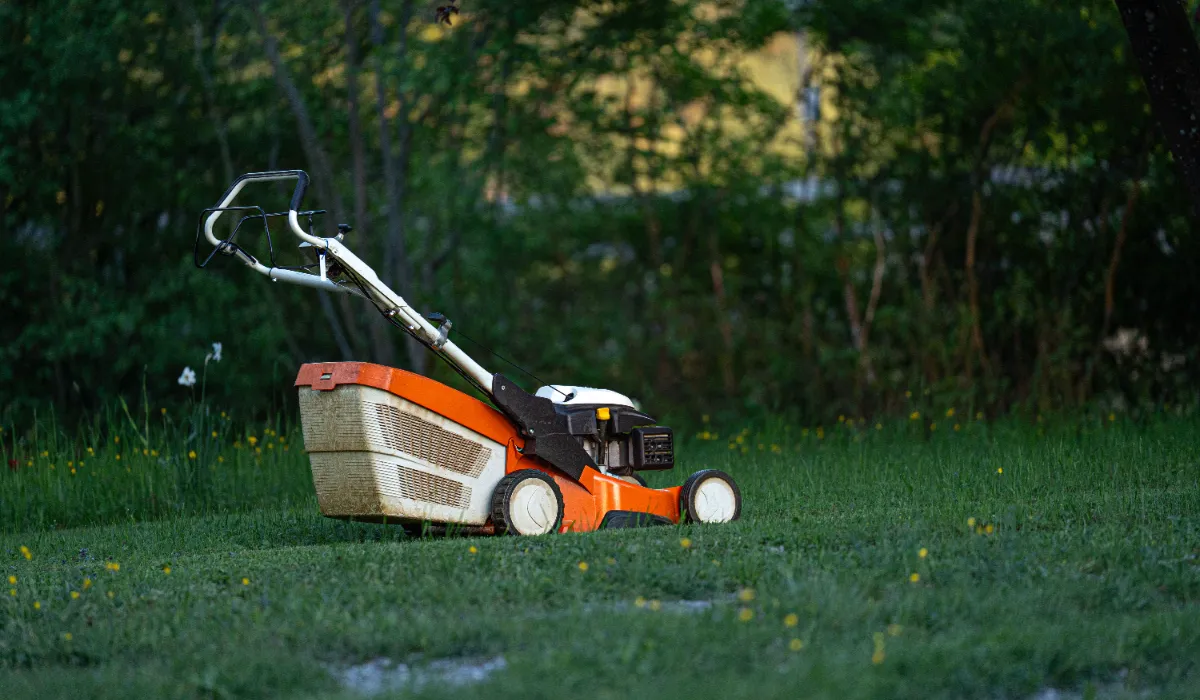
Summer maintenance focuses on keeping plants healthy despite higher temperatures and periods of drought. Regular watering schedules, proper irrigation system adjustments, and monitoring for pests and diseases help landscapes remain vibrant during the hottest months. Lawn mowing should follow recommended height guidelines to encourage deeper root systems and reduce stress caused by excessive heat.
Tree and Shrub Maintenance Throughout the Growing Season
Trees and shrubs deserve ongoing attention throughout the growing season. Selective pruning removes dead or damaged branches while improving airflow and encouraging healthy growth. Regular inspections also allow landscape professionals to identify insect infestations or disease before they spread throughout the landscape. Healthy trees provide shade, improve property value, and create attractive focal points that mature over many years.
Enhancing Curb Appeal with Landscape Edging
Landscape edging is another maintenance practice that significantly enhances curb appeal. Defined edges between lawns, planting beds, sidewalks, and driveways create crisp lines that make an entire property appear more organized and professionally maintained. Edging also helps contain mulch while reducing the spread of grass into flower beds.
Essential Fall Landscaping Tasks
As autumn approaches, landscape maintenance priorities begin to shift. Falling leaves should be removed regularly to prevent mold, lawn damage, and excessive thatch buildup. Cooler temperatures also make fall one of the best times for lawn aeration and overseeding, allowing grass to establish stronger root systems before winter arrives. Fall is also an excellent season for planting many trees and shrubs because cooler weather reduces transplant stress.
Winterizing Irrigation Systems
Preparing irrigation systems for freezing temperatures is another important seasonal responsibility. Winterizing sprinkler systems helps prevent frozen pipes and costly repairs while ensuring the system is ready to operate efficiently the following spring. Proper preparation protects the investment homeowners have made in their irrigation equipment.
Planning Landscape Improvements During Winter
Winter may appear to be a quiet season for landscaping, but it provides valuable opportunities for planning future improvements. Homeowners often use the winter months to design patios, retaining walls, outdoor kitchens, fire pits, landscape lighting, or expanded planting areas that can be installed once warmer weather returns. Planning ahead allows projects to begin early in the construction season.
Maintaining Hardscape Features
Routine maintenance also extends the lifespan of hardscape features. Paver patios, retaining walls, walkways, and decorative stone installations benefit from periodic inspections to identify settling, joint erosion, drainage concerns, or minor repairs before they become larger problems. Maintaining these features preserves both safety and appearance while avoiding unnecessary replacement costs.
Sustainable Landscaping Practices
Modern landscaping increasingly combines beauty with environmental responsibility. Native plants, drought-tolerant species, efficient irrigation systems, rain gardens, and sustainable maintenance practices help conserve natural resources while creating landscapes that thrive with less maintenance. These environmentally conscious designs often reduce water usage and provide habitats for pollinators such as butterflies and bees.
Professional Landscaping Maintenance in Carmel
Many homeowners seeking landscaping in Carmel are looking for professionals who understand how to create outdoor environments that remain attractive throughout every season while standing up to Indiana’s changing weather conditions. Customized maintenance plans help protect landscaping investments while ensuring every property continues to look its best year after year.
Conclusion
Consistent landscape maintenance is an investment that pays dividends in beauty, property value, and long-term durability. By caring for lawns, plants, trees, hardscapes, and irrigation systems throughout the seasons, homeowners can enjoy healthy, welcoming outdoor spaces that enhance everyday living and create lasting impressions for visitors and neighbors alike.