
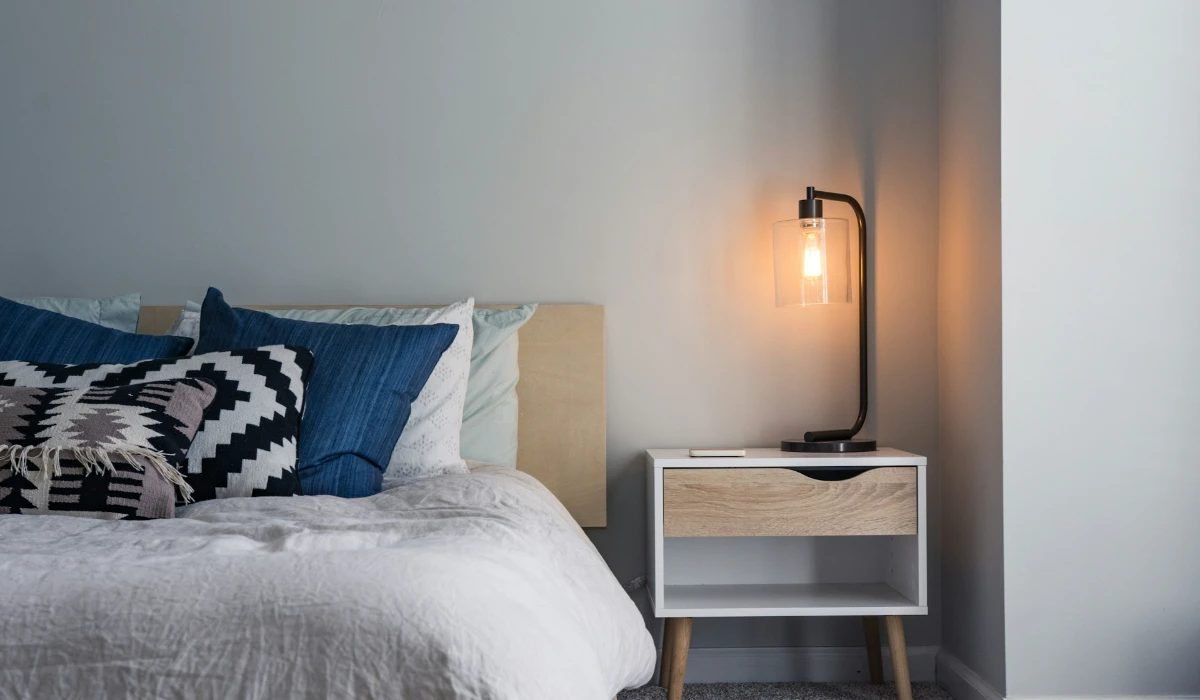
A bedroom should feel like the softest landing in the house. It is the room where the day finally lets go, where shoulders drop, and where the mind gets permission to slow down. Designing a space that delivers on that promise takes more than a fresh coat of paint or a new set of pillows. It calls for thoughtful choices across every layer of the room, from what sits underfoot to what hangs above the bed. The goal is a setting that feels personal, calm, and quietly welcoming the moment you step through the door. This guide walks through the elements that turn an ordinary bedroom into one you genuinely look forward to retreating to each night.
Building Your Foundation for Restful Sleep
Most mass-produced beds are built to a single average sleeper profile, which leaves side sleepers with shoulder pressure, back sleepers without proper lumbar support, and warm sleepers trapped against synthetic foams that hold heat. Years of poor support translate into restless nights, morning stiffness, and a bedroom that quietly works against you instead of for you. Custom Comfort Mattress has an excellent selection of handcrafted mattresses built from natural materials such as latex, wool, and cotton, with double-sided construction and a personalized fit shaped around how you actually sleep. Their collections reward the body across the years, holding shape, breathing properly through warm nights, and keeping the spine aligned through every position change. When the surface underneath you is honest work, the whole room finally feels like the sanctuary it was meant to be.
Setting the Mood Through Layered Lighting
Overhead lighting alone tends to flatten a bedroom and strip it of warmth. A cozy space needs at least three layers working together. Start with a soft ambient source, often a ceiling fixture fitted with a dimmer so you can drop the intensity as the evening winds down. Add task lighting through bedside lamps that throw a gentle pool of light for reading without disturbing a partner. Finish with accent pieces such as a small floor lamp in a reading corner or a string of warm bulbs draped behind a headboard. Stick to bulbs in the warmer color range, somewhere around 2700 kelvins, since cooler tones can feel clinical and disrupt the body’s natural wind-down rhythm.
Choosing a Color Palette That Calms
Color shapes the emotional tone of a bedroom more than almost any other design choice. Soft, muted shades tend to feel restful, while saturated brights can keep the mind buzzing long after lights out. Warm neutrals like oat, clay, and putty create a hugged-in feeling without going dark. Cool, dusty tones such as sage, fog blue, and pale lavender lend a quiet, almost garden-like calm. Whichever direction you lean, anchor the palette with two or three main shades and let everything else, from artwork to throw blankets, echo those tones. A coherent color story does the heavy lifting of making a room feel intentional rather than thrown together.
Textiles That Invite You In
Touch matters as much as sight in a bedroom. A thick wool or cotton area rug pulled into the center of the room warms the floor and softens every morning step. Heavier woven throws draped over a chair or bench add another layer of texture without feeling fussy. Curtains in linen or brushed cotton filter daylight into something gentler and bring a quiet drape to the windows. Even a small tapestry or wall hanging behind the headboard wall introduces softness where flat paint alone would feel cold. Mixing weaves and weights across the room is what gives a bedroom that layered, lived-in warmth.
Furniture That Earns Its Place
Crowded bedrooms rarely feel restful, so every piece should serve a real purpose. A pair of nightstands offers symmetry and storage, with enough surface for a lamp, a book, and a glass of water without piling up clutter. A dresser handles folded clothing and keeps the closet from overflowing. If the room allows, a small bench or low chair near a window creates a place to sit and pull on shoes or set down a stack of folded laundry. Look for pieces with rounded edges and natural finishes, which read softer to the eye than sharp lines and high-gloss surfaces. Wood tones in oak, walnut, or ash bring quiet warmth that synthetic veneers rarely match. Spacing the pieces so each one has room to breathe keeps the eye moving easily across the room instead of snagging on visual clutter.
Creating a Sense of Quiet
True coziness depends on the room actually feeling peaceful, not just looking it. Heavy curtains or lined drapes muffle outside noise and block early light, both of which protect the depth of sleep. A rug across most of the floor absorbs footsteps and softens echoes. If the room sits near a busy street or a noisy stairwell, a quiet white noise machine tucked on a shelf can mask the worst of it. Even something as small as a felt pad under the legs of a wobbly chair removes the kind of low-grade irritation you stop noticing but never quite tune out. Door sweeps and weather stripping cut down on hallway sound and stray drafts at the same time. The quieter the room reads to your senses, the faster the body settles once the lights go out.
Personal Touches That Make It Yours
A bedroom that feels generic rarely feels cozy, no matter how nicely it is dressed. The final layer is the personal one. Frame a few photographs that make you smile, hang an original piece of art rather than another mass-printed canvas, or set out a small ceramic dish picked up on a memorable trip. Books stacked on a nightstand, a plant on the windowsill, and a candle ready to light all add quiet signals that this room belongs to you. Those touches are what transform a well-designed space into one that genuinely feels like home, waiting for you at the end of every long day.