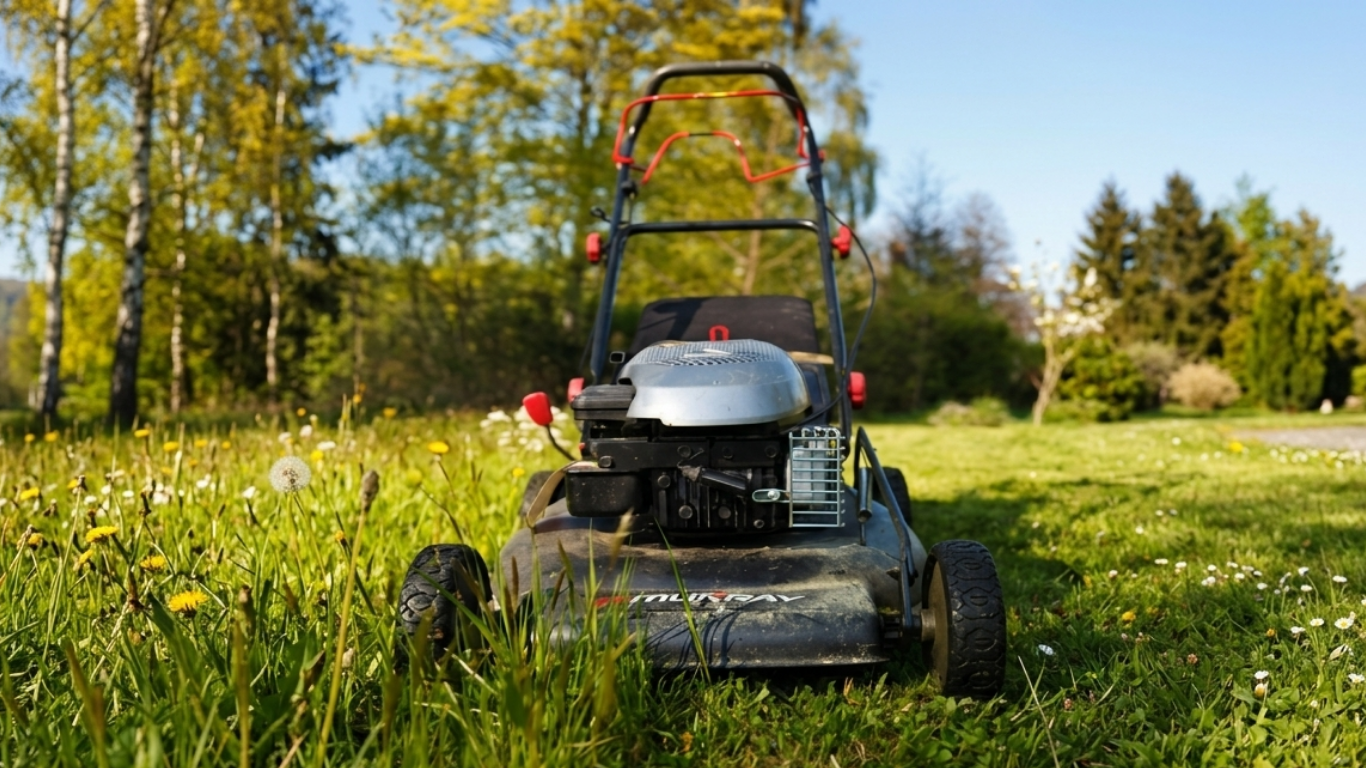
Outdoor equipment rarely fails at a convenient time. A mower may work perfectly through several jobs, then refuse to start when the grass is already high and the schedule is full. For landscapers, acreage owners, farms, campuses, and rural property managers, these delays can affect more than one task. Mowing connects with cleanup, trimming, access control, field edges, tree care, and the general appearance of a property. When one machine stops, the rest of the maintenance plan can begin to stumble behind it.
A brake switch is one of those small components that can create large problems when it fails. It may be part of a safety circuit, starting system, or control sequence that helps the mower confirm whether the brake is engaged before operation. When the switch wears out, becomes inconsistent, or loses proper contact, the machine may start unpredictably, refuse to start, or create confusing symptoms that look like battery, wiring, or starter trouble. Good maintenance means looking at these smaller parts before they turn into full-day interruptions.
Why Brake Switches Matter on Mowing Equipment
Mowers are designed around movement, but safe movement begins with controlled stopping. Brake systems, switches, levers, electrical connections, and safety interlocks work together to help protect the operator and the machine. A functioning brake switch helps the mower recognize the correct operating condition. If that signal is missing or unreliable, the mower may behave in ways that slow work and reduce confidence.
For property owners, landscapers, and equipment operators dealing with starting issues, inconsistent safety interlock behavior, or brake-related mower problems, a timely brake switch replacement can help restore dependable operation and keep the machine aligned with its intended safety design. The goal is not simply to get the mower moving again. It is to return the equipment to service with predictable controls, proper system response, and fewer delays during active mowing days.
Small Electrical Parts Can Create Big Confusion
A failing switch can be tricky because symptoms may not always point directly to the part itself. The mower may click but not start. It may start only sometimes. It may respond differently depending on brake position, vibration, temperature, or how the controls are set. This can lead operators to suspect the battery, starter, ignition switch, wiring harness, or other components before checking the brake switch.
This is why careful diagnosis matters. Replacing random parts can turn repair into a strange little treasure hunt, except the treasure is still a mower that will not cooperate. A more professional approach begins with the symptom, then checks the related safety circuit, connectors, brake linkage, switch position, and part compatibility before deciding what needs replacement.
Warning Signs Should Not Be Ignored
Operators should pay attention when a mower begins acting differently. Repeated starting hesitation, inconsistent response when the brake is engaged, unexpected shutoff behavior, or intermittent electrical symptoms should be treated as signs that inspection is needed. These issues may not always be caused by the brake switch, but the switch should be part of the troubleshooting process when brake-related safety functions are involved.
The worst response is to work around the problem. Bypassing safety systems, forcing controls, or ignoring repeated warning signs can create risk for the operator and damage trust in the machine. A mower should be repaired so it operates as designed, not coaxed through the season with crossed fingers and shop-floor folklore.
Mower Maintenance Fits Into Wider Property Care
A mower is often only one part of a larger outdoor maintenance system. Many properties also need tree work, trimming, debris removal, garden care, seasonal cleanup, soil work, and access route maintenance. When a mower is unreliable, these other tasks become harder to coordinate. Grass can grow around trees, fences, driveways, and buildings, making the property feel less organized and more difficult to manage.
Tree care is a good example of how one outdoor task affects another. Guidance on choosing the right tree service shows why safety, access, experience, and proper planning matter when managing larger outdoor features. Mowing supports that same order by keeping ground clear around trunks, work areas, and pathways before crews or equipment need to move through the space.
Repair Decisions Matter More When Budgets Are Tight
Equipment owners are paying closer attention to repair decisions as machinery costs, operating expenses, and farm economics remain under pressure. Replacing the correct part at the right time can extend the useful life of equipment and reduce unnecessary downtime. Small maintenance decisions become more important when buying new machinery is not always the easiest option.
Reports on farmers facing pressure as tractor sales decline highlight how equipment purchasing decisions can reflect broader financial strain in agriculture. For mower owners, contractors, and rural property managers, the lesson is practical: maintaining existing machines carefully can help protect budgets and keep essential work moving without rushing into larger equipment expenses.
Choosing the Correct Replacement Part
Brake switches should be chosen by fit, function, and machine compatibility. A switch is not just a piece that fills a space. It must communicate correctly with the mower’s electrical and safety systems. Before replacing it, owners should confirm the machine model, part number, connector style, installation position, and related brake system condition.
It is also important to inspect the surrounding area. A damaged connector, loose wire, corroded terminal, misadjusted brake linkage, weak battery, or worn control component can mimic switch problems. Good diagnosis helps ensure the replacement solves the actual issue rather than becoming one more part in a growing pile of guesses.
Testing After Installation Is Essential
A repair is not complete simply because the part has been installed. The mower should be tested carefully before returning to regular work. The brake should engage correctly, the starting sequence should behave as expected, and the machine should respond consistently under normal operating conditions. Testing helps confirm that the safety system is working properly and that the replacement part has restored the intended function.
Operators should also document the repair. Recording the date, part used, symptoms observed, and final result can help with future troubleshooting. A simple repair note can save time months later if a similar issue appears. Maintenance records may not look glamorous, but they are the quiet filing cabinets of sanity.
Brand Section: H&R Agri-Power
H&R Agri-Power supports equipment owners who need reliable parts for real outdoor work. Farms, landscaping crews, rural homeowners, contractors, and property managers depend on machines that must perform through heat, dust, vibration, long grass, and changing seasonal demands. When a mower part affects safety, starting, or control behavior, choosing the right replacement becomes a practical priority.
A knowledgeable parts source can help reduce uncertainty by supporting correct identification, compatibility, and maintenance planning. That matters when equipment downtime interrupts mowing routes, property care, or seasonal cleanup. Reliable support helps owners move from confusion to repair with greater confidence.
Conclusion
A brake switch may be small, but it can have a meaningful effect on mower safety, starting behavior, and daily reliability. When symptoms appear, owners should inspect the system carefully, choose the correct replacement part, and test the mower properly before returning it to work. That disciplined approach protects both the operator and the machine.
Outdoor maintenance works best when equipment is prepared before pressure arrives. Mowers, tree care, cleanup, and property management all depend on dependable tools and sensible repair habits. With timely parts replacement and careful troubleshooting, owners can keep mowing equipment safer, more reliable, and ready for the long workdays that keep outdoor spaces clean and usable.