
Key Takeaways
- Implement vertical storage systems to maximize available workspace and improve access to materials.
- Roll-out racks enhance both safety and material handling efficiency.
- Customize storage setups to meet unique workshop needs.
- Regularly maintain storage infrastructure to ensure long-term durability and safety.
Managing sheet metal in a bustling workshop can be challenging, particularly as demands for efficiency and safety increase. Smart storage choices play a pivotal role in ensuring both productivity and worker well-being. By introducing tailored solutions, such as a heavy duty sheet metal rack, workshops can maximize organization and protect valuable materials. Choosing the right system is vital for accommodating various sheet sizes, maintaining material quality, and ensuring safety. Well-planned storage saves space, minimizes manual handling, cuts waste, and boosts workflow efficiency. From vertical racks to roll-out systems, effective storage can transform daily operations.
This guide discusses strategies to streamline sheet metal storage for growing workshops, focusing on quality and output. As workshops expand, robust storage solutions for unwieldy materials like sheet metal become crucial. Disorganized spaces cause delays and safety hazards, such as trips or improper handling. Innovative storage improves productivity and reduces losses, helping teams focus on quality while minimizing disruptions. Industry research underscores the importance of workspace organization for inventory management and safety.
Vertical Storage Systems
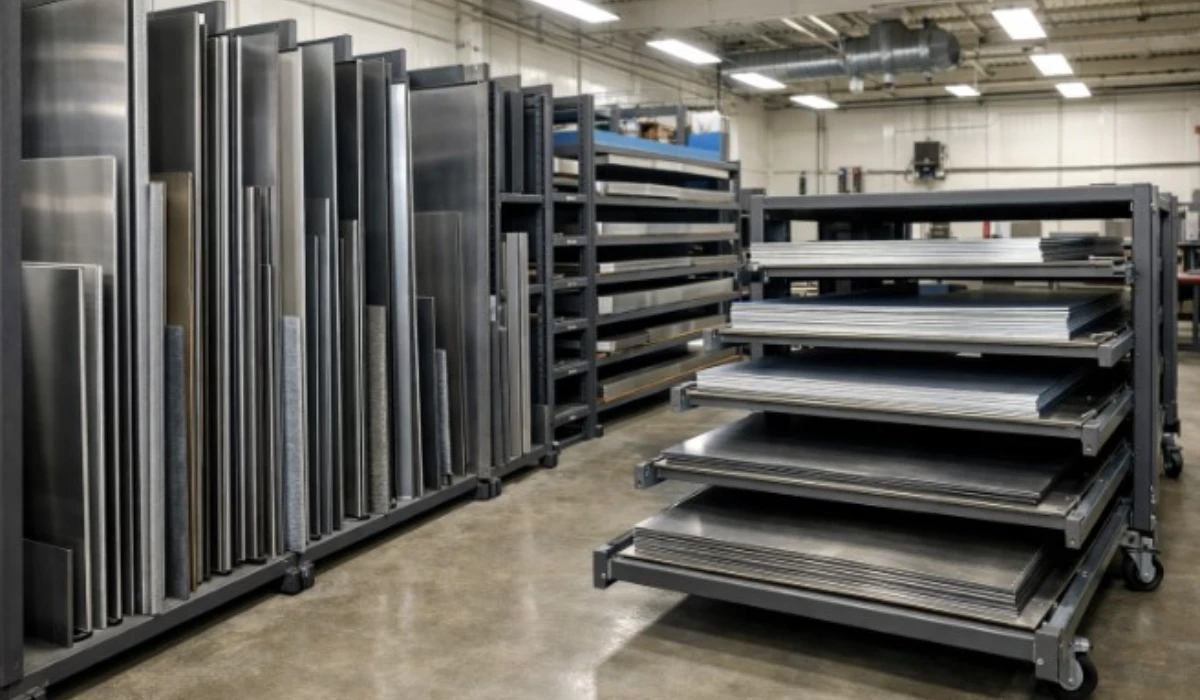
Workshops with limited floor space benefit greatly from vertical storage solutions. These systems take advantage of unused overhead space, keeping sheet metal upright and separated for easy identification and retrieval. Vertical racks may be fitted with adjustable dividers, ensuring varied sheet sizes are safely stored without risk of toppling or warping. The open-sided design of many vertical racks allows forklifts or pallet jacks to quickly access stored materials, streamlining restocking and order fulfillment.
Safety is another major advantage. By eliminating stacked, horizontal piles on the floor, workers are less likely to trip, and damage to sheet corners is minimized. Additionally, clear visibility of material labels or color codes enables faster inventory checks and reduces handling errors, making these racks ideal for high-turnover facilities.
Roll-Out Racks
Roll-out racks are an increasingly popular option for workshops that need frequent access to individual sheets. These racks feature shelves or trays that slide out horizontally, allowing materials to be loaded and unloaded without heavy lifting. By minimizing manual handling, roll-out racks help to reduce the number of lost-time injuries, such as strains or sprains, that can occur when moving cumbersome sheet metal.
The ergonomic benefits offered by roll-out racks can also have a measurable impact on productivity. Workers spend less time maneuvering materials and more time on fabrication or assembly tasks. According to a report by Safety+Health magazine, well-designed storage systems, including roll-out units, directly contribute to fewer workplace injuries and greater employee satisfaction. These systems can also be modular, scaling with business growth and changing storage demands.
Customized Storage Solutions
No two workshops operate exactly alike, and tailored solutions are often necessary to address unique material profiles or workflow challenges. For example, a custom-built panel rack can feature vertical tube dividers, each equipped with protective sleeves, to separate and support large flat sheets. This safeguards surface finishes and reduces the risk of scratching or deformation during transfer.
Other customizations might include mobile racks mounted on lockable casters or wall-mounted shelving for easy access to specific alloys or gauge thicknesses. Many suppliers collaborate closely with workshop managers to tweak layouts or add safety features as needed, ensuring storage truly matches the day-to-day circuit of workers and machinery.
Maintenance and Safety
Establishing a strong storage system isn’t enough; maintenance is key. Regular inspections catch rust, worn rollers, or weak welds. Routine tasks include lubricating moving parts, tightening bolts, and checking load limits. Employee training is vital; workshops should cover handling, tools, and emergency procedures. Well-trained staff can spot hazards early, reducing accidents and fostering a safety culture. Using vertical racks, roll-out shelving, and customization, alongside periodic maintenance, makes workshops safer and more efficient. Leaders who invest in these upgrades will see fewer lost materials, less downtime, and streamlined operations.
Conclusion
Effective sheet metal storage is essential for maintaining a safe, organized, and efficient workshop environment. Whether utilizing vertical storage systems to maximize floor space, roll-out racks to improve accessibility and reduce physical strain, or customized solutions tailored to specific operational needs, each approach plays a vital role in optimizing workflow and protecting materials. When combined with proper maintenance practices and consistent safety training, these storage systems help minimize workplace hazards, reduce material damage, and improve overall productivity. By investing in well-designed storage solutions, workshops can achieve smoother operations, greater efficiency, and a safer working environment, supporting long-term growth and performance.