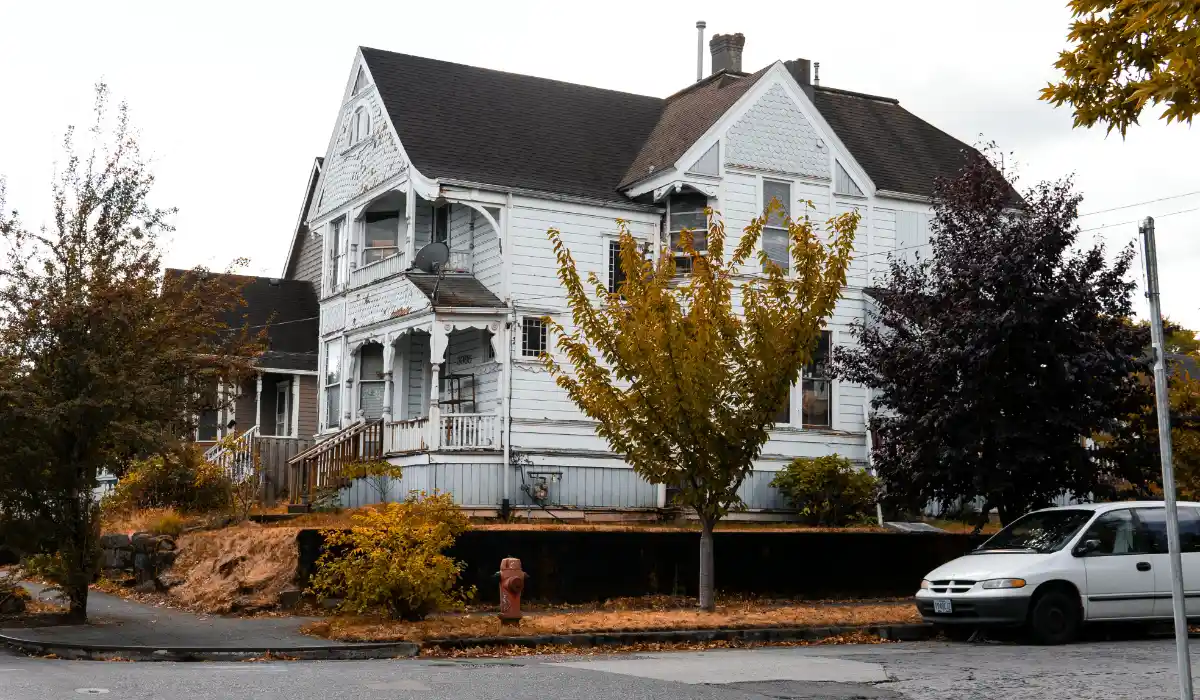
Older homes stay desirable for reasons that are easy to understand once you spend time in one. The rooms often have proportions, details, and exterior features that newer builds do not always carry. That appeal, though, comes with a different kind of responsibility. Materials have aged, repair histories may be uneven, and building methods have changed across decades. A plan for Boston roofing and siding has to account for that history, because an older home does not respond to weather, moisture, and seasonal movement the same way a newer structure might. Maintenance becomes more preventive, more observant, and, honestly, a little more patient.
Older Materials Behave Differently Over Time
Older home maintenance starts with accepting that age changes materials, even when they still look sound. Wood, siding, shingles, trim, flashing, and sealants may continue doing their jobs, but they have already been through years of moisture, heat, cold, repairs, and movement. That history affects how each part should be inspected and repaired.
Wear patterns also become uneven after enough time. One wall may have handled stronger sun for decades, while another may have sat under shade and held moisture longer. A roof slope near trees can age differently than a front slope exposed to open weather.
Repair decisions need careful judgment because replacement is not always the right first answer. A targeted repair may protect the home’s character and extend service life. In other cases, old layers may be hiding damage that makes a larger fix more sensible.
Long-term environmental exposure changes the entire maintenance conversation. The home is carrying a record of storms, winters, humid summers, and earlier repairs. That record has to be read, not guessed at.
- Aging wood: Trim, fascia, and older siding can soften, split, or hold moisture once coatings begin to fail.
- Older roofing materials: Shingles and flashing may show age through curling, granule loss, rust, or lifted edges.
- Previous repairs: Patchwork from earlier owners can hide mismatched materials, uneven methods, or weak transitions.
- Sealant fatigue: Caulk and exterior seals can dry, crack, and pull away from joints over time.
- Material compatibility: New products need to work with existing layers, drainage paths, ventilation, and surrounding details.
Small Issues Can Spread Faster in Older Homes
Small exterior problems can move faster in older homes because some hidden deterioration may already be present. A thin crack in trim or one loose siding edge might connect to older moisture damage behind the surface. That makes the first visible sign more important than it appears.
Layered repairs from previous owners can make the situation harder to read. A home may have older siding under newer siding, patched window areas, or roof details added during different periods. Each layer can affect how water drains, dries, or becomes trapped.
Moisture vulnerabilities deserve particular attention. Older homes may have aging flashing, worn caulk, limited ventilation, weaker barriers, or materials that absorb water more readily. Once water enters, it may travel through pathways that no one can see from the ground.
Routine inspections matter because they turn uncertainty into actual information. A homeowner may not know what was repaired fifteen or thirty years ago, but an inspection can show where the home is under strain now. That knowledge helps keep small exterior issues from becoming structural repairs later.
Weather Has Already Tested These Homes for Decades
An older home has already lived through years of seasonal stress. That history matters more than people sometimes think. Every winter, storm season, humid stretch, and hot summer has left some level of wear on the exterior.
Weather exposure accumulates in quiet ways. Shingles lose strength, paint breaks down, metal corrodes, and siding shifts slightly over time. None of those changes needs to be dramatic to deserve attention.
Maintenance cycles shape the condition of the home as much as age does. A house that received consistent care may age in a more stable way. A house that went through long gaps between repairs may carry hidden weaknesses beneath an exterior that still looks acceptable.
Environmental wear often appears first in places that handle water and wind. Roof edges, gutters, flashing, trim, lower siding, and window areas should be checked closely. These areas often show stress before interior rooms show symptoms.
There is also the simple fact of material limits. Even durable products have a service life. Older homes do better when homeowners respect that limit and plan around it, rather than waiting for a ceiling stain, loose panel, or active leak to force the issue.
Preventive Maintenance Protects Character and Value
Good home maintenance strategies protect more than the visible surfaces. They protect the home’s character, structural reliability, comfort, and long-term value. In older homes, preventive care gives homeowners a better chance to preserve the features that make the property appealing while controlling avoidable damage.
A maintenance schedule does not need to be complicated to work. It needs to be consistent, written down, and realistic enough that someone will actually follow it. A few repeated habits can reveal early wear before the house needs larger work.
- Create seasonal checkups: Review roofing, siding, trim, gutters, flashing, and exterior seals in spring and fall.
- Watch water paths: Check where rain drains, where gutters overflow, and where moisture sits after storms.
- Keep records: Save inspection notes, photos, repair invoices, material details, and dates of major work.
- Budget for upkeep: Set aside money for inspections, small repairs, gutter cleaning, sealing, and planned replacements.
- Protect original details: Preserve older trim, siding profiles, and exterior features when they remain structurally sound.
- Repair early: Address loose shingles, cracked caulk, peeling paint, soft trim, and siding gaps before moisture spreads.
Modern Solutions Still Need Thoughtful Planning
Modern materials can help older homes perform better, but they need to be chosen with care. A product that works smoothly on new construction may require adjustments around older framing, ventilation, drainage, or trim. The goal is improvement that respects how the existing home already functions.
Mixing old and new materials takes attention because each material reacts differently. New siding may expand at a different rate than older trim. New flashing may need to connect cleanly with rooflines that were built or repaired in another period.
Consistency matters, too. Older homes can lose visual balance when upgrades ignore scale, profiles, color, or original exterior details. A careful update should strengthen the home without making the exterior feel pieced together.
Long-term compatibility is the real test. The upgrade should solve the current issue and still support the home through future seasons. That means thinking about drainage, airflow, maintenance access, and how each material will age beside the older parts.
Choosing upgrades carefully also helps homeowners avoid expensive regret. A slower, more deliberate plan can improve performance, protect character, and reduce repeat repairs. Older homes usually reward that kind of thinking.
Final Thoughts
Older homes require different maintenance priorities because age changes how every exterior part behaves. The house may still be strong, attractive, and fully livable, yet decades of weather, repairs, moisture, and seasonal movement have left a record. That record should guide care.
Prevention matters more than reaction in older homes. Waiting for obvious damage can allow hidden problems to spread. Regular inspections, small repairs, and better documentation help homeowners respond before the work grows.
Consistent upkeep protects both value and longevity. Roofing, siding, trim, flashing, gutters, and seals all need steady attention. An older home can remain beautiful and reliable for years, but it needs maintenance that respects its age, materials, and repair history.
FAQ
Why do older homes require more maintenance?
Older homes require more maintenance because materials have already aged through decades of weather, repairs, and seasonal movement. Wood, roofing, siding, trim, seals, and flashing can weaken gradually, so small changes need closer attention before hidden damage spreads further.
What problems are common in older homes?
Common problems in older homes include worn roofing, cracked siding, soft trim, aging flashing, poor drainage, old repairs, moisture damage, and weak seals. Many issues begin outside, then spread behind surfaces before homeowners notice stains or interior symptoms.
How often should older homes be inspected?
Older homes should usually be inspected at least twice a year and after strong storms. Roofing, siding, gutters, trim, flashing, attic spaces, and exterior seals deserve regular checks because age and weather can make small problems spread faster.
Is preventive maintenance more important for older houses?
Yes, preventive maintenance is especially important for older houses because hidden wear may already exist. Regular inspections, early repairs, clean drainage, and maintenance records help protect character, reduce long-term costs, and keep minor issues from becoming major repairs.