Have you ever walked into a room and immediately felt a deep, resonant sense of calm? There is something inherently soothing about stepping away from the rigid, 90-degree angles of traditional architecture and embracing the organic, sweeping curves of a dome. For decades, our homes have been built as boxes, practical, predictable, and frankly, a little uninspired. But a quiet revolution is happening in the world of sustainable living, and it is reshaping the way we think about the spaces we inhabit.
Today, alternative housing has shifted from a fringe architectural experiment to a mainstream desire. We are collectively craving homes that breathe, spaces that work in harmony with the natural environment, and structures that challenge the standard neighborhood footprint. If you are reading this on Grow Homely, chances are you already appreciate the beauty of intentional, grounded living. Let’s explore why leaving the “box” behind might be the best decision you ever make, and how to bring your curved sanctuary to life.
The Magic of Spherical Architecture
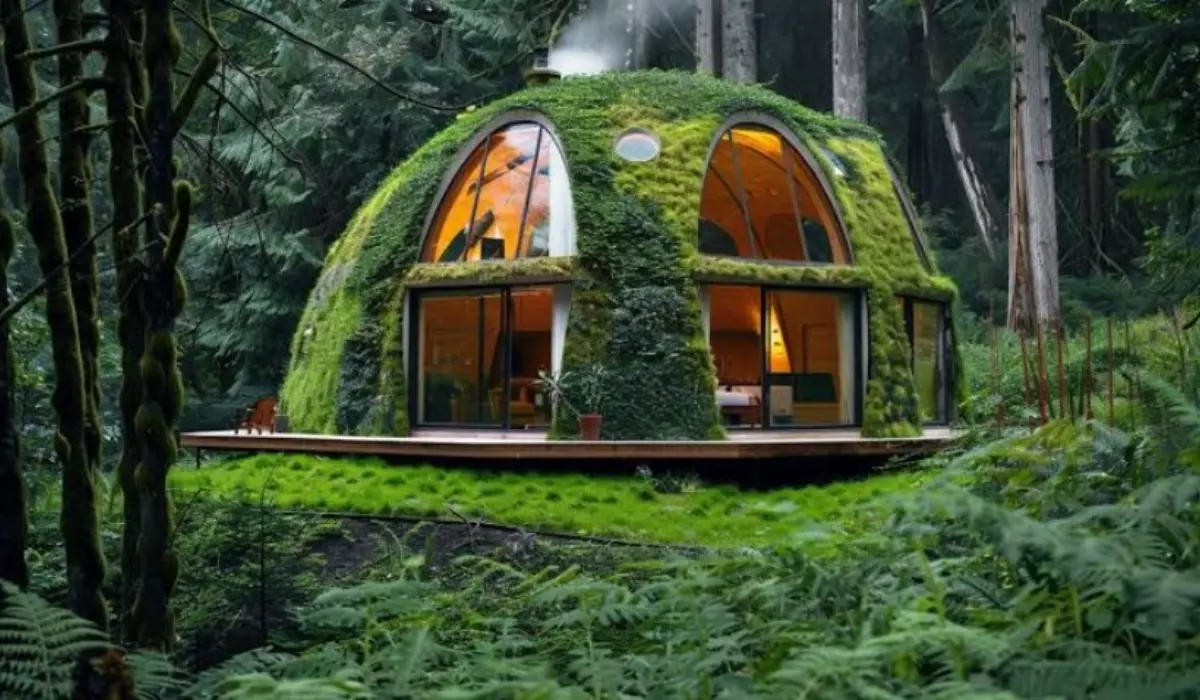
At the heart of this movement is the dome home. Whether you are envisioning a massive geodesic masterpiece tucked into a wooded hillside or a modest, earth-bermed monolithic retreat in the desert, domes represent the ultimate intersection of structural integrity and aesthetic warmth. Because they rely on a network of interlocking triangles or a continuous concrete shell, they are virtually disaster-proof. They gracefully shed heavy snow, withstand hurricane-force winds, and offer an expansive, open-concept feel that traditional houses simply cannot replicate.
But embarking on this journey isn’t just about pouring a foundation or assembling a wooden frame; it’s about joining a vibrant, global community of forward-thinking builders. As you start researching blueprints and sharing your ideas on DIY building forums, you’ll quickly find yourself immersed in a network of passionate creators. Setting up your profile on these platforms is often your first step into the community, many builders even use an avatar maker to craft a fun, digital representation of themselves while maintaining a bit of privacy online. Once you are plugged in, the wealth of shared, real-world knowledge is staggering, turning what seems like a daunting project into a collaborative adventure.
Unmatched Energy Efficiency
One of the most compelling reasons to build a dome is the long-term financial and environmental payoff. The physics of a sphere are a homeowner’s best friend. Simply put, a dome encloses the largest volume of interior space with the least amount of surface area.
What does that mean for your daily life? It means less surface area is exposed to the harsh outdoor elements. In the winter, there is less roof and exterior wall space for heat to escape; in the summer, there is less surface for the sun to bake. Furthermore, the concave interior naturally promotes healthy airflow. Instead of hot air getting trapped in stagnant corners or high ceilings, it circulates fluidly along the curved walls, creating a uniform temperature throughout the home. Many dome owners report a staggering reduction in their heating and cooling bills, often by as much as 50% compared to a conventional home of the exact same square footage.
Designing for the Curve
If there is a hurdle to dome living, it is usually interior design. We are culturally conditioned to push our furniture against flat walls, hang rectangular pictures, and install standard, right-angled cabinetry. A curved wall forces you to throw that tired rulebook out the window—which is exactly where the creative fun begins.
To make a curved interior work beautifully, you have to prioritize flow and functional zones over traditional room borders. Here are a few professional design tips to keep in mind when mapping out your interior:
- Float Your Furniture: Instead of anchoring couches and beds to the exterior walls, pull them toward the center of the room. This creates intimate, intentional gathering spaces and leaves the perimeter naturally open for walking paths. Use large, textured area rugs to define the “rooms” without needing physical walls.
- Embrace Custom Carpentry: Standard kitchen cabinets won’t fit flush against a curved exterior wall. Many dome owners opt to build straight interior partition walls for their kitchens and bathrooms. This keeps the plumbing simple and the cabinetry squared off, while leaving the beautiful outer shell completely untouched.
- Look Up: Domes offer incredible, soaring vertical space. Building a partial loft over the kitchen or bathroom block is a brilliant way to add a cozy bedroom or a quiet reading nook without sacrificing your ground-floor square footage.
The Ultimate Backyard Addition: The Dome Greenhouse
Perhaps you aren’t quite ready to build a primary residence in a dome shape, but you want to experience the benefits on a smaller, more accessible scale. Enter the dome greenhouse. For garden enthusiasts and homesteaders, this structure is an absolute game-changer.
Because of the geodesic structure’s ability to capture the sun’s rays directly from any angle throughout the day, a dome greenhouse acts as a massive, highly efficient solar trap. Even in freezing climates, these resilient structures can maintain incredibly warm internal temperatures, allowing you to grow citrus, exotic flowers, and fresh vegetables long after the first frost has killed off the rest of your garden. Furthermore, while traditional glass greenhouses often shatter or buckle under high winds, the aerodynamic shape of a dome causes harsh winds to slip right over it.
A dome greenhouse extends the growing season exponentially. Source: Growing Spaces Greenhouse Kits
Adding a water feature, like a small pond or a dark-colored thermal mass water tank inside the greenhouse, will absorb heat during the day and slowly release it at night. It transforms your backyard into an undeniable neighborhood focal point and a powerhouse of sustainable, year-round food production.
Practical Steps to Get Started
If you are ready to leap, transitioning from dreaming to doing requires a bit of practical groundwork.
First and foremost, check your local zoning laws and building codes. Because domes are non-traditional structures, some strict Homeowner Associations or local municipalities may have restrictions on their appearance or construction. It is highly recommended to work with an architect or a dome manufacturing company that has specific experience navigating local permit processes.
Second, decide whether you want a pre-fabricated kit or a custom build. Today, several reputable companies sell geodesic dome kits that ship directly to your property. These kits come with pre-cut, color-coded struts and heavy-duty covers, making it entirely possible for a group of motivated friends to assemble the structural shell in a single, well-planned weekend. If you are leaning toward a monolithic concrete dome, you will need specialized contractors to inflate the internal balloon form and spray the concrete, a more complex process, but one that yields an architectural marvel capable of lasting for centuries.
Conclusion
Stepping outside the traditional blueprint of a home is a bold, transformative move, but it is one that pays endless dividends in comfort, sustainability, and sheer architectural wonder. A dome isn’t just a place to sleep and store your belongings; it is a living, breathing environment that encourages a deeper, more intentional connection with your surroundings. By embracing the curve, you are investing in a space that is remarkably resilient, incredibly efficient, and beautifully unique. Whether it becomes your full-time sanctuary tucked in the woods or a flourishing, verdant greenhouse in your backyard, your geometric retreat is entirely within reach.