Maintaining the integrity of a commercial roof is crucial for both the safety and the long-term durability of any commercial building. Regular inspections can identify small issues before they escalate, reducing costs and avoiding business interruptions. For those looking to ensure their roof remains in optimal condition, a detailed inspection checklist is a must-have resource. For professional guidance or to schedule an inspection, visit https://www.deltaservices.com/commercial-roof-inspection/.
Consistent roof maintenance not only safeguards building occupants and assets but also improves energy efficiency by addressing insulation and drainage issues early. Thorough inspections are an important investment in the property’s value and reliability. Many building owners discover that a robust roof care regimen fosters peace of mind and upholds warranty requirements. By integrating regular inspections into your building maintenance schedule, you support a safer and more predictable facility operation.
Why Regular Inspections Matter
Regular roof inspections are essential for maintaining building safety and minimizing repair expenses. Identifying problems such as leaks, cracks, or structural weaknesses early can prevent wider damage to your facility. Moreover, frequent assessments often reveal subtle areas of deterioration caused by weather exposure or mechanical stresses. For business owners, proactive roof care can lower long-term costs and avoid disruptions due to unexpected repairs.
- Early Detection of Issues: By spotting leaks or roof damage early, property owners can make minor repairs quickly and avoid extensive, costly restoration projects.
- Cost Savings: Addressing small concerns now is far less expensive compared to delays that lead to widespread water intrusion or insulation failure.
- Warranty Compliance: Most commercial roofing systems require proof of regular inspections to maintain manufacturer warranty coverage, ensuring continued protection.
- Safety Assurance: Regular roof checks protect both building occupants and valuable equipment from hazards related to water ingress or roof collapse.
When to Schedule Inspections
Scheduling roof inspections at the right times is essential for maximizing their value. Industry recommendations typically suggest biannual checks, ideally in the spring and fall. This preemptive strategy prepares your facility for seasonal changes and varying weather conditions.
- Biannually: Plan inspections twice a year to ensure any debris, pooling water, or membrane wear is addressed before weather extremes.
- After Severe Weather: Always have the roof inspected after storms with heavy rain, snow, or winds, since these events can cause significant hidden or visible damage.
- Before and After Major Installations: If adding equipment like HVAC systems or solar panels, inspect the roof before installation to confirm load capacity and after installation to check for any accidental roof punctures or compromised flashing.
Essential Areas to Inspect
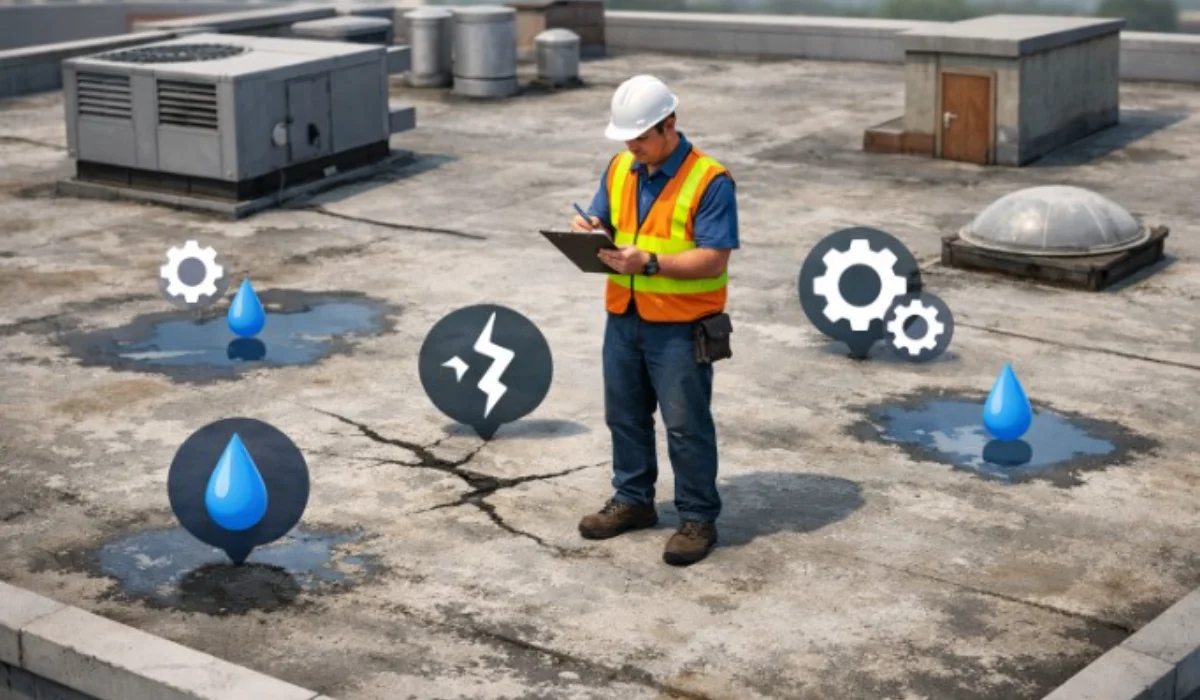
A meticulously conducted roof inspection covers several key areas to ensure no potential issues are missed. Paying attention to these specific zones keeps maintenance efforts targeted and effective. According to experts, focusing inspections on vulnerable parts of the roof can yield the best results.
1. Roof Surface
- Membrane Condition: Inspect for cracks, punctures, or blisters that may weaken the waterproof barrier.
- Seams and Joints: Check all seams for signs of separation, loose materials, or lifting, which can allow water infiltration.
- Ponding Water: Look for standing water, which indicates poor drainage and can accelerate roof material deterioration.
2. Flashing and Edges
- Flashing Integrity: Assess flashing around roof penetrations such as vents and pipes for rust, gaps, or looseness.
- Edge Details: Evaluate perimeter edges for securement and signs of detachment, which are common failure points.
3. Drainage Systems
- Gutters and Downspouts: Confirm they are attached securely and unobstructed by leaves or debris.
- Drains and Scuppers: Make sure all outlets are free of clogging so water flows away from the roof efficiently.
4. Roof Penetrations
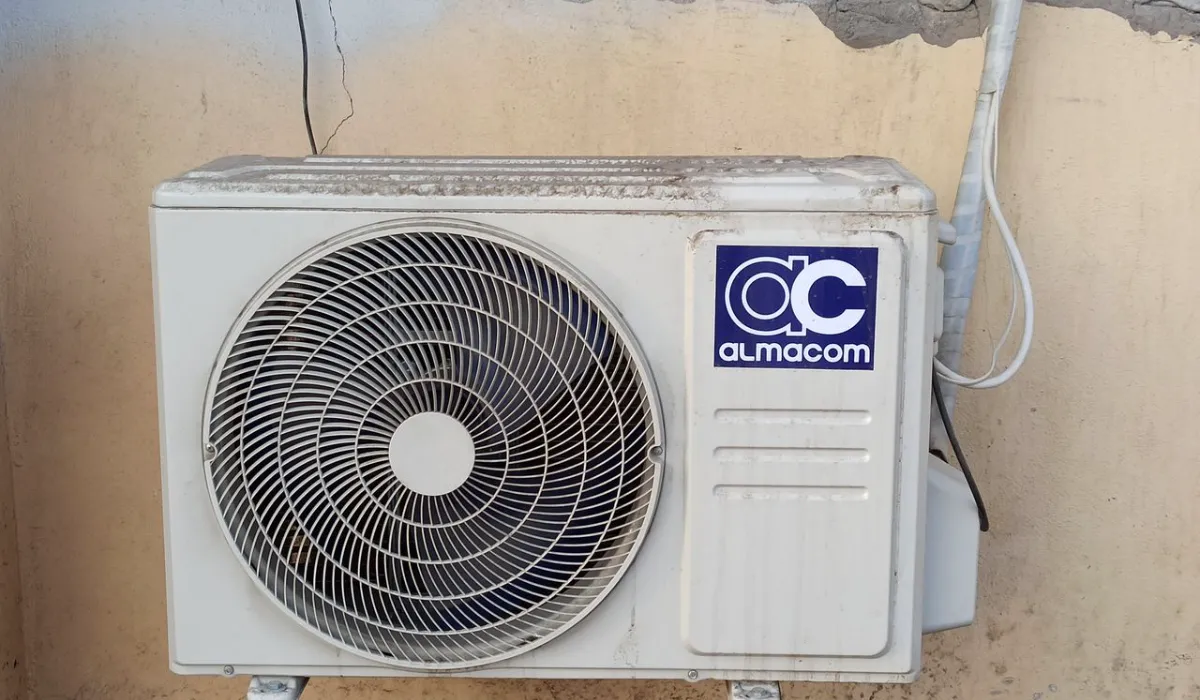
- HVAC Units and Equipment: Inspect the supports and seals around machinery for deterioration or movement that could break the waterproofing.
- Skylights and Vents: Check for worn or cracked seals as well as any visible damage to glass or domes.
5. Interior Signs
- Ceilings and Walls: Look for water stains, bubbling paint, or mold that can indicate undetected leaks.
- Attic Spaces: If accessible, inspect for moisture, rot, or sunlight coming through the deck, which suggests potential vulnerabilities.
Post-Inspection Actions
Once the inspection is complete, property owners should document their findings in detail. Use pictures and clear notes to record the locations and nature of any problems. This documentation assists in tracking recurring issues or warranty claims. Immediate action should be taken on urgent issues, while less critical repairs can be scheduled strategically. For complex conditions beyond routine fixes, consulting an experienced roofing contractor can help avert further damage and ensure repairs are conducted according to industry standards. Guidance on professional roofing contractors can also be found at ABC.
Conclusion
Conducting regular commercial roof inspections is a proactive approach that extends roof life, preserves the building’s value, and keeps its occupants safe. By following a structured checklist, property managers and building owners can prevent costly surprises and maintain their roofing system’s performance for years to come.