The cost of operating heavy machinery has increased significantly over the past decade, and maintenance expenses are now a much larger part of the equation than they once were. From construction and mining to agriculture and transport, equipment owners are investing more heavily in preventative servicing, diagnostics, and specialized systems to keep machinery running efficiently. Modern fleets now rely on advanced tools, automated monitoring, and high-performance components such as commercial lubricators to reduce wear and extend equipment lifespan in increasingly demanding operating conditions.
Modern Machinery Is Far More Complex
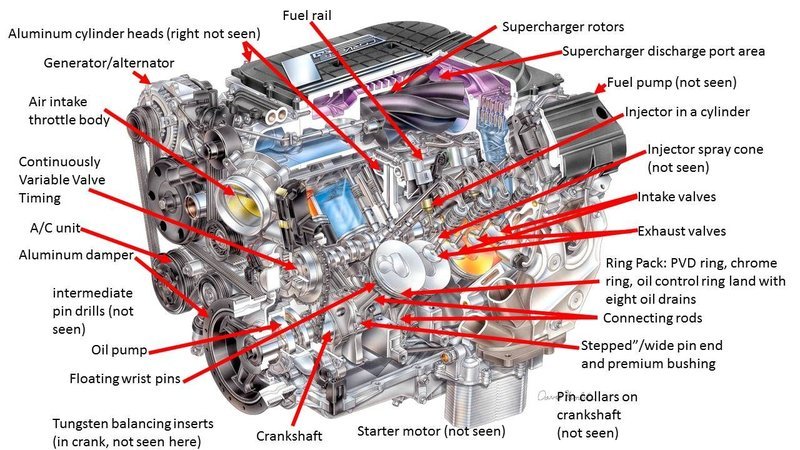
One of the biggest reasons maintenance costs have risen is the increasing complexity of heavy equipment. Older machines were largely mechanical and easier to repair with basic tools and manual experience.
Today’s equipment includes:
- Electronic control systems
- Sensors and diagnostics
- Hydraulic automation
- Emission-control technology
- GPS and telematics integration
- Computerized monitoring systems
While these advancements improve performance and efficiency, they also require more specialized servicing and technical expertise.
Repairs Now Require Advanced Diagnostics
Technicians can no longer rely solely on visual inspections or mechanical troubleshooting. Many repairs now involve diagnostic software, digital testing equipment, and manufacturer-specific systems.
This has increased:
- Labor costs
- Training requirements
- Repair times
- Dependence on specialized technicians
As machinery evolves, maintenance becomes more technical and expensive.
Equipment Is Operating Under Greater Pressure
Heavy machinery today is often expected to work longer hours and perform at higher productivity levels than in previous decades.
Tight Deadlines Increase Wear
Industries such as construction, mining, and infrastructure development operate under strict timelines. Equipment frequently runs for extended periods with minimal downtime.
This constant use accelerates:
- Component fatigue
- Hydraulic stress
- Engine wear
- Lubrication breakdown
- Heat-related damage
As workloads intensify, operators must spend more on maintenance to avoid costly breakdowns.
Harsh Environments Add Extra Strain
Modern equipment is commonly used in demanding environments including:
- Dust-heavy worksites
- Extreme temperatures
- Mud and moisture
- Remote mining operations
- Uneven terrain
These conditions place additional pressure on moving parts and increase the frequency of servicing requirements.
Preventative Maintenance Has Become a Priority
In the past, some operators delayed maintenance until equipment problems became obvious. Today, preventative maintenance is considered essential for avoiding major repair costs and operational disruptions.
Downtime Is More Expensive Than Ever
Unexpected breakdowns can halt entire projects, delay deadlines, and create significant financial losses.
Because of this, operators now invest more heavily in:
- Scheduled servicing
- Fluid analysis
- Lubrication systems
- Filter replacements
- Condition monitoring
- Predictive maintenance programs
The goal is to detect small issues before they become major failures.
Planned Maintenance Improves Asset Lifespan
Heavy equipment represents a major financial investment. Many businesses aim to maximize equipment lifespan while maintaining productivity and resale value.
Consistent maintenance helps:
- Reduce long-term repair costs
- Extend machine reliability
- Improve fuel efficiency
- Protect critical components
- Maintain operational safety
Although maintenance spending has increased, many operators view it as a necessary long-term investment.
Emission Regulations Have Increased Maintenance Demands
Environmental regulations have also contributed to rising maintenance costs across many industries.
Modern Emission Systems Require Specialized Care
Heavy equipment now includes advanced emission-control technologies designed to reduce environmental impact.
These systems may involve:
- Diesel particulate filters (DPFs)
- Exhaust gas recirculation (EGR)
- Selective catalytic reduction (SCR)
- AdBlue systems
While environmentally beneficial, these technologies add complexity and require careful maintenance to function correctly.
Poor Maintenance Can Trigger Expensive Failures
Emission systems are highly sensitive to contamination, poor fuel quality, and neglected servicing.
When these systems fail, repairs can become extremely expensive, encouraging operators to invest more in routine maintenance and monitoring.
Lubrication Standards Have Become More Advanced
Lubrication is no longer viewed as a simple maintenance task. Modern machinery operates with tighter tolerances and higher performance expectations, making proper lubrication far more important.
Equipment Components Are More Sensitive
Hydraulic systems, bearings, and moving parts now require precise lubrication schedules and higher-grade products to prevent damage.
Operators increasingly rely on:
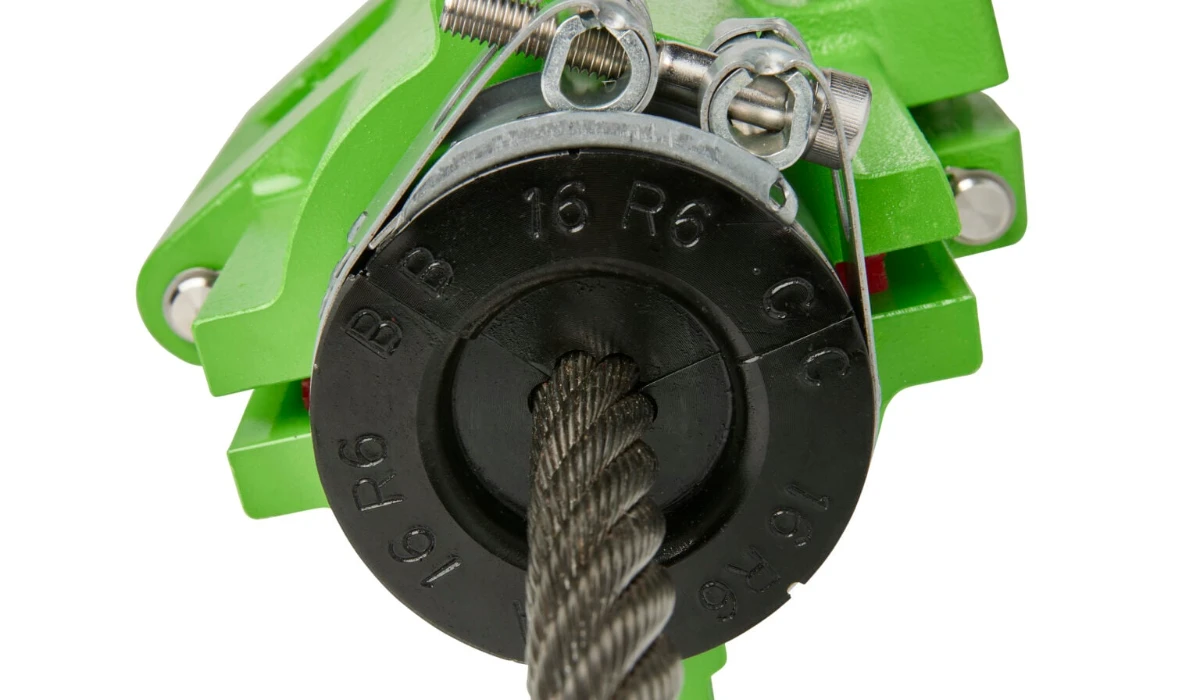
- Automated lubrication systems
- Specialized greases
- Monitoring technology
- Centralized lubrication equipment
These solutions help reduce wear while improving operational efficiency.
Neglected Lubrication Creates Major Costs
Poor lubrication can lead to:
- Premature bearing failure
- Hydraulic damage
- Increased friction
- Higher fuel consumption
- Costly downtime
As a result, operators are willing to spend more upfront on lubrication management to avoid larger repair bills later.
Skilled Labor Costs Have Increased
Another major factor is the rising cost of skilled maintenance labor.
Experienced Technicians Are in High Demand
Modern heavy equipment requires technicians with specialized training in:
- Electronics
- Hydraulics
- Software diagnostics
- Automated systems
- Emission technologies
The shortage of highly skilled technicians has driven labor costs upward across many industries.
Training Requirements Continue to Grow
Operators also invest more in internal staff training to ensure maintenance procedures are completed correctly and safely.
This ongoing education represents an additional operational expense that was less significant in earlier decades.
Technology Has Improved Monitoring — But Increased Costs
Modern machinery now includes advanced telematics and monitoring systems that track equipment performance in real time.
Data Helps Prevent Failures
Fleet managers can monitor:
- Engine health
- Fuel usage
- Oil pressure
- Component temperatures
- Service intervals
This technology improves maintenance planning and reduces unexpected breakdowns.
Monitoring Systems Require Investment
Although these systems improve efficiency, they also add:
- Software costs
- Subscription fees
- Sensor maintenance
- System calibration requirements
The increased use of technology has therefore contributed to overall maintenance spending.
Safety Expectations Are Higher Than Before
Workplace safety regulations are stricter today, especially in industries involving heavy equipment.
Poor Maintenance Creates Safety Risks
Equipment failures can result in:
- Workplace injuries
- Project shutdowns
- Legal liabilities
- Insurance claims
Operators now invest more heavily in maintenance to ensure machinery remains compliant, reliable, and safe for workers.
Inspections Are More Frequent
Many industries require regular documented inspections and maintenance reporting to meet safety standards and regulatory requirements.
This creates additional administrative and servicing costs.
Final Thoughts
Heavy equipment operators spend more on maintenance today because modern machinery is more advanced, heavily utilized, and tightly regulated than ever before. Increased complexity, higher performance demands, stricter safety standards, and evolving environmental requirements have all reshaped how equipment is maintained.
Rather than viewing maintenance as a basic operational task, businesses now treat it as a strategic investment that protects productivity, reliability, and long-term profitability. As machinery technology continues to evolve, maintenance will likely remain one of the most critical aspects of successful heavy equipment operation.