The first 30 days after buying a home in Atlanta can reveal a lot about what you actually purchased. Between humid summers, heavy rain, aging systems, and hidden maintenance issues, new homeowners need more than a moving checklist. This guide walks you through the first things to inspect, update, and organize so you can settle in confidently and avoid expensive surprises later.
The first night in a new house feels exciting, right up until you realize you have no idea where the water shutoff valve is.
Most new homeowners spend the first few days focused on unpacking boxes, buying furniture, and figuring out where everything goes. That’s normal. But in my experience, the first 30 days after closing are when you learn what kind of condition your home is really in.
This early window matters more than many buyers realize.
Small maintenance issues are easier to catch before daily routines take over. HVAC systems get tested quickly in Atlanta’s heat. Heavy summer rain exposes drainage problems fast. Older homes sometimes reveal hidden quirks the inspection report barely touched on.
Whether you bought a bungalow in East Atlanta, a craftsman in Decatur, or a newer home in Alpharetta, the first month should focus less on cosmetic upgrades and more on understanding how the house actually functions.
This checklist walks through the priorities I recommend tackling first to avoid expensive surprises later.
Key Takeaways
- The first month after closing is the best time to identify hidden maintenance problems.
- Atlanta’s humidity, storms, and tree coverage create unique homeowner challenges.
- Safety systems and utility setup should be handled immediately after move-in.
- Early HVAC servicing can prevent expensive cooling problems during Georgia summers.
- Appliance testing helps uncover issues before warranties or seller agreements expire.
- Preventative maintenance almost always costs less than emergency repairs.
Week One: Focus on Safety and Security
Before decorating or unpacking every room, make sure the home is safe and secure.
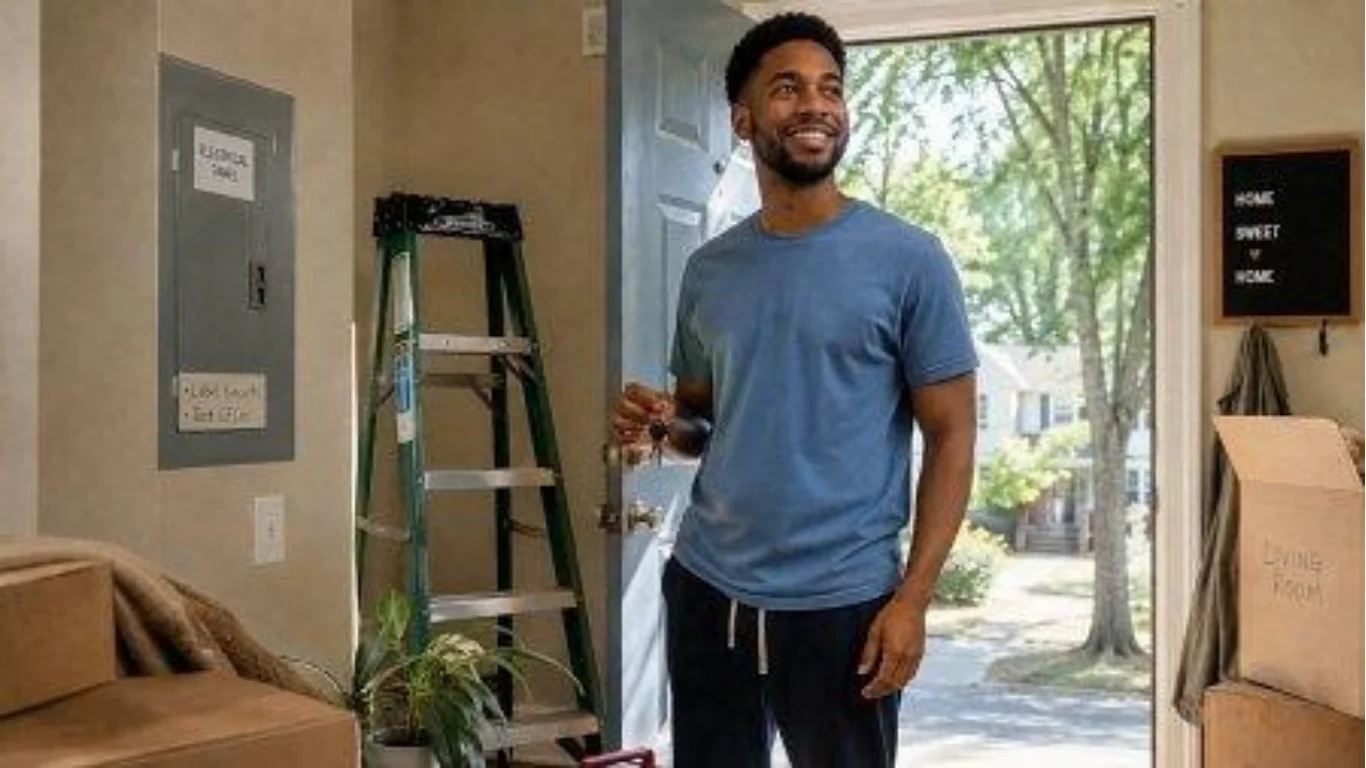
Change the Locks Immediately
You never really know how many spare keys are still floating around after closing.
Previous owners may have given copies to:
- contractors
- neighbors
- pet sitters
- cleaners
- family members
Rekeying the locks is one of the fastest ways to make the house feel like it’s actually yours. If you plan to install smart locks eventually, the first week is a good time to do it. They make contractor access and package deliveries much easier during the move-in process.
Locate Every Main Shutoff
Find these immediately:
- Main water shutoff valve
- Electrical panel and breakers
- Gas shutoff valve, if applicable
Do not wait until there’s an emergency.
I once spoke with a homeowner in Grant Park who discovered a leaking pipe late at night and spent nearly twenty minutes searching for the water shutoff hidden behind basement shelving. Those situations become stressful very quickly.
Older Atlanta homes especially can have oddly placed utility access points tucked into crawl spaces, closets, or exterior recesses.
Take photos and label everything while the information is fresh.
Test Safety Devices
Test every:
- Smoke detector
- Carbon monoxide alarm
- GFCI outlet
Even if the seller says everything works, replace the batteries yourself for peace of mind.
If detectors are more than 10 years old, replace the units entirely. The sensors lose reliability over time.
Also check:
- fire extinguishers
- exterior motion lights
- garage door safety sensors
These are easy to overlook during the excitement of moving.
Week Two: HVAC, Utilities, and Core Systems
Once the immediate safety tasks are handled, shift your attention toward the systems that keep the house running day-to-day. In Atlanta, HVAC maintenance should move near the top of the priority list. The cooling season here is long, humid, and demanding. Systems that seemed “fine” during inspection can struggle once summer temperatures settle in.
Transfer Utilities Before Problems Start
Ideally, utilities should already be active before move-in day.
Set up:
- Electricity
- Water
- Gas
- Internet
- Trash collection
Some buyers underestimate how long utility transfers can take, especially around weekends or holidays. Water service providers vary by city or county, so double-check requirements with your municipality ahead of time.
Schedule an HVAC Service Visit
Even if the inspection report described the HVAC system as functional, I still recommend scheduling a professional service appointment within the first two weeks.
“Functional” and “well-maintained” are not always the same thing.
One homeowner in Sandy Springs told me their air conditioning stopped cooling properly less than a month after moving in because of a severely clogged condensate drain line. The issue could have been caught during a routine service visit.
Ask the technician to inspect:
- Condensate drain lines
- Refrigerant levels
- Airflow restrictions
- Ductwork condition
- Mold or mildew inside the air handler
And replace the air filter immediately after move-in, even if it looks relatively clean. Atlanta’s pollen and humidity can clog filters faster than many new homeowners expect.
Check the Attic During Daylight Hours
Spend a few minutes inspecting the attic while the sun is out.
You’re looking for:
- Water stains
- Mold or mildew
- Uneven insulation
- Poor ventilation
- Signs of pests
Atlanta attics can become brutally hot during summer months, especially in older homes with inadequate ventilation.
A small roof leak or ventilation problem may not seem urgent now, but those issues often grow expensive after one heavy storm season.
Week Three: Appliances, Kitchen, and Laundry Areas
By week three, most homeowners have settled in enough to notice the smaller problems that didn’t show up during walkthroughs.
This is often when appliance issues begin revealing themselves.
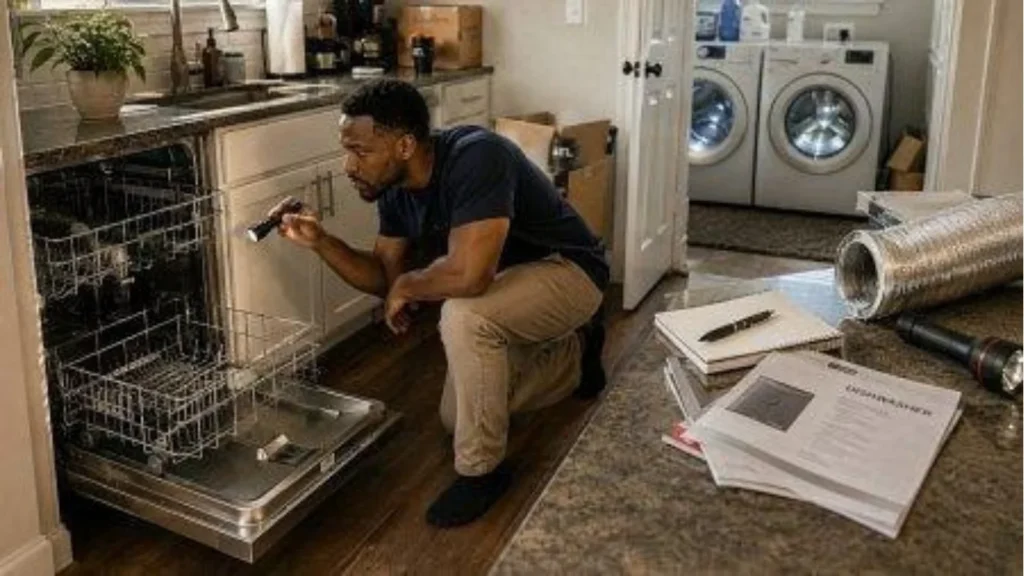
Run Every Appliance Completely
Don’t assume appliances work perfectly because they turned on during inspection.
Run full cycles on:
- Dishwasher
- Oven and range
- Refrigerator
- Washer
- Dryer
- Garbage disposal
Pay attention to:
- Strange noises
- Slow drainage
- Water leaks
- Long drying times
- Excessive refrigerator cycling
Small appliance issues rarely stay small for long.
If something feels off, scheduling professional appliance repair in Atlanta early can help prevent a much larger repair bill later.
Inspect the Water Heater
Locate the water heater and document:
- Manufacturer
- Installation date
- Capacity
- Signs of corrosion
- Moisture near the base
Most traditional water heaters last roughly 8 to 12 years.
If the unit is already approaching that range, start budgeting now rather than waiting for an emergency replacement in the middle of winter.
Check the Dryer Vent Carefully
This is one of the most overlooked fire hazards in many homes.
If your dryer uses a flexible accordion-style vent hose, replace it with rigid metal ducting whenever possible. Flexible ducts trap lint much more easily.
Also confirm:
- The vent exhausts fully outdoors
- There’s no major lint buildup
- Gas connections are secure if applicable
One clogged dryer vent can create serious problems surprisingly fast.
Week Four: Exterior Maintenance and Long-Term Planning
By the end of the first month, you should have a much clearer picture of the home’s strengths, weaknesses, and future maintenance priorities.
Now it’s time to look outward.
Walk the Property Slowly
Take a full walk around the house after a rainstorm if possible.
Look for:
- Standing water
- Foundation cracks
- Missing shingles
- Sagging gutters
- Wood rot
- Damaged retaining walls
Atlanta’s red clay soil expands and contracts heavily with changes in moisture levels. Over time, that movement can affect foundations and drainage patterns. Pay close attention to areas where water collects near the house.
This is also a good opportunity to check for drafty or aging windows, especially in older Atlanta homes where inefficient windows can increase cooling costs during long Georgia summers. In some cases, upgrading your windows is a smart investment for both comfort and long-term energy savings.
Watch for Termite Activity
Termites are a real concern throughout Georgia.
Look for:
- Mud tubes
- Hollow-sounding wood
- Frass near trim or baseboards
- Soft exterior wood
Even homes that appear well-maintained can develop hidden termite issues.
If the seller’s termite inspection is outdated or missing, scheduling your own inspection early is usually worth the investment.
Start a Home Maintenance Log
This doesn’t need to be complicated.
A simple spreadsheet or notes app works perfectly fine.
Track:
- HVAC servicing
- Appliance repairs
- Paint colors
- Warranty information
- Contractor contacts
- Seasonal maintenance reminders
You’ll thank yourself later when warranty questions, repairs, or resale conversations come up.
Introduce Yourself to Neighbors
This may sound optional, but it’s surprisingly useful.
Longtime neighbors often know:
- Which streets flood during storms
- Which contractors are reliable
- HOA expectations
- Common neighborhood maintenance issues
In areas like Kirkwood, Virginia-Highland, and East Lake, local knowledge can save homeowners a lot of expensive trial and error.
What Makes Atlanta Homes Different
One thing I’ve learned about Atlanta real estate is how dramatically homes vary from one neighborhood to another.
You could move from:
- a 1930s craftsman in Inman Park
- to a 1970s ranch in Tucker
- to a modern townhome in Buckhead
Each comes with completely different maintenance priorities.
Still, a few Atlanta-specific homeowner concerns show up repeatedly.
Heavy Tree Coverage
Atlanta’s tree canopy is beautiful, but it creates constant maintenance.
Tree debris contributes to:
- clogged gutters
- roof wear
- storm cleanup
- sewer root intrusion
After major storms, some homeowners discover drainage problems they never noticed during dry weather.
Long Cooling Seasons
Air conditioning systems in Atlanta work hard for much of the year.
That extended workload means neglected HVAC systems tend to reveal problems quickly. Preventative servicing matters more here than in many cooler climates.
Crawl Space Moisture
Homes with crawl spaces can develop humidity and moisture issues during Georgia summers.
Watch for:
- Musty odors
- Mold growth
- Soft flooring
- Excess condensation
Ignoring crawl space moisture often leads to much larger structural and air quality issues later.
What New Homeowners Often Overlook
The homeowners who adjust best to homeownership usually focus on systems first and cosmetic upgrades second.
That’s not always the fun approach, especially after a stressful closing process. Most people would rather pick paint colors than inspect attic ventilation.
But the homeowners who avoid major surprises later are usually the ones who:
- Service HVAC systems early
- Fix small leaks quickly
- Document maintenance consistently
- Budget realistically for repairs
A few things I always recommend:
- Don’t assume the seller disclosed everything.
- Treat small water problems seriously.
- Budget roughly 1% to 2% of the home’s value annually for maintenance.
- Learn how your house functions before starting large renovations.
Owning a home becomes much less stressful once you understand its systems and weak points.
Frequently Asked Questions
How soon should I change the locks after closing?
Ideally, before your first night in the house. Rekeying is relatively inexpensive and removes uncertainty immediately.
Should I get another termite inspection if the seller already provided one?
Check the inspection date carefully. If it’s older than a year, getting an updated inspection is usually smart because termite activity can change quickly in Georgia.
What issues should I prioritize first?
Focus on:
- Water intrusion
- Electrical hazards
- Plumbing leaks
- HVAC problems
- Structural concerns
Cosmetic projects can usually wait.
How do I find reliable contractors in Atlanta?
Neighborhood Facebook groups, local community pages, and Nextdoor recommendations are often helpful starting points. Always compare multiple quotes and verify licenses for larger projects.
Is a home warranty worth it?
It depends on the age of your systems, appliances, and emergency savings. For some homeowners, short-term coverage provides peace of mind. Just read exclusions carefully before purchasing.
Final Thoughts
The first 30 days after buying a home can feel chaotic, exciting, and overwhelming all at once. That’s completely normal. But the homeowners who settle in successfully are usually the ones who treat the first month as a learning period instead of simply an unpacking phase. Focus on safety first. Learn your home’s systems early. Handle maintenance before problems grow. Keep records from the beginning.
Atlanta is a fantastic place to own a home, but the climate and housing diversity reward proactive homeowners. Most expensive home repairs start as small problems that were ignored for too long. Start strong, stay observant, and homeownership becomes far more manageable over time.