Every home experiences gradual wear as the years pass. Foot traffic, changing temperatures, moisture, and daily household activity all affect the condition of floors, walls, fixtures, and structural materials. While many homeowners focus on visible cosmetic issues, long-term protection requires a more proactive approach. Consistent maintenance helps preserve comfort, reduce repair costs, and support property value over time.
Humidity, poor ventilation, and environmental exposure can increase moisture retention inside crawl spaces, walls, and wooden structures, which may accelerate deterioration if left unchecked. Regular inspections and preventative care help homeowners identify hidden concerns before they grow into expensive problems. Paying attention to both visible and concealed damage keeps the home safer, cleaner, and more efficient throughout the year.
Hidden Culprits That Quietly Damage Your Home
Many homeowners quickly notice scratched floors or chipped paint because these problems are easy to spot during everyday activities. However, not all forms of home damage are immediately visible. Some issues develop slowly behind walls, beneath floors, or inside crawl spaces, where they often go unnoticed for long periods. Excess moisture, poor airflow, and insect activity can gradually weaken important structural materials without creating obvious warning signs at first.
Small cracks around doors, windows, and foundations can make these problems even worse by creating entry points for unwanted pests. Once pests enter the home, they may spread into hidden areas and begin damaging wood, insulation, and other essential structural components. As this damage continues over time, repairs can become far more expensive and difficult to manage. For this reason, professional pest control services can help homeowners detect and address infestations early, which reduces the risk of costly repairs and long-term property deterioration.
The Science of Surface Protection for Floors and Walls
Floors and walls experience constant use every day, making them some of the first areas to show signs of wear. Dirt particles carried indoors can slowly scratch hardwood surfaces and damage carpets over time. Using entry mats, area rugs, and furniture pads helps reduce unnecessary friction and pressure in high-traffic spaces. Routine cleaning also prevents buildup that can shorten the lifespan of flooring materials. Homeowners should also vacuum and sweep regularly to prevent abrasive debris from settling into flooring surfaces.
Walls require similar attention to maintain their appearance and durability. Scuff marks, dents, and peeling paint often develop gradually in busy households. Homeowners can minimize damage by choosing washable paint finishes and addressing marks quickly before they become permanent. Rearranging furniture carefully and avoiding excessive moisture exposure near walls also helps preserve interior surfaces for longer periods.
Climate and External Stressors That Speed Up Home Aging
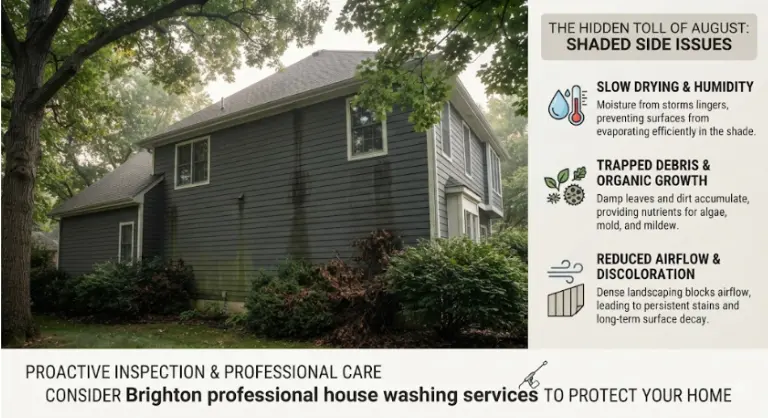
Outdoor conditions place continuous stress on a home’s exterior materials. Heat, humidity, rain, and direct sunlight gradually affect roofing, siding, decks, and window seals. Prolonged moisture exposure can lead to warped wood, peeling paint, and weakened exterior surfaces if maintenance is delayed. Seasonal weather changes also cause materials to expand and contract, increasing the risk of cracks and structural gaps.
Homeowners can reduce environmental wear by following a consistent maintenance schedule throughout the year. Cleaning gutters, sealing exterior gaps, and inspecting roofing materials after storms help prevent long-term damage. Repainting exposed surfaces and applying protective sealants also strengthens the home against moisture and temperature fluctuations. These preventative steps improve durability while helping the property maintain its appearance and value over time. Trimming nearby trees and maintaining proper drainage around the property can also help reduce unnecessary exterior strain.
The Impact of Plumbing and Moisture on Long-Term Home Health
Small plumbing issues can create major damage when homeowners ignore them for too long. Slow leaks under sinks, around appliances, or behind walls often lead to mold growth, stained surfaces, and weakened materials. Regularly checking pipes, faucets, and water connections helps prevent these problems from spreading unnoticed. Homeowners should also monitor ceilings and baseboards for signs of moisture buildup.
Proper ventilation plays an equally important role in controlling indoor humidity levels. Bathrooms, kitchens, and laundry areas produce excess moisture that can affect nearby surfaces over time. Using exhaust fans and maintaining airflow reduces condensation and protects surrounding materials. Prompt repairs and routine inspections help preserve both the structural condition and indoor comfort of the home.
Extending the Life of Furniture and Household Fixtures
Furniture and household fixtures experience daily use, which gradually affects their appearance and functionality. Dust, spills, and improper cleaning products can damage surfaces faster than many homeowners expect. Using manufacturer-approved cleaning methods helps preserve countertops, cabinetry, upholstery, and flooring materials. Simple habits like using coasters, wiping surfaces regularly, and avoiding harsh chemicals also reduce unnecessary wear.
Routine maintenance keeps fixtures operating properly while extending their lifespan. Tightening loose hardware, lubricating hinges, and inspecting faucets for leaks can prevent larger repair issues later. Rotating cushions and repositioning furniture occasionally also helps distribute wear more evenly. These small maintenance tasks improve both the appearance and durability of frequently used household items.
Seasonal Maintenance Checklists Every Homeowner Should Follow
Seasonal inspections help homeowners identify small issues before they develop into costly repairs. During warmer months, homeowners should inspect roofing materials, clean gutters, and service air conditioning systems. Colder seasons often require pipe protection, weather sealing, and heating system maintenance. Creating a structured maintenance schedule makes these responsibilities easier to manage throughout the year.
Exterior areas also benefit from regular seasonal attention. Decks, siding, windows, and drainage systems experience ongoing exposure to weather conditions that gradually weaken materials. Checking for cracks, water pooling, or loose components helps homeowners respond quickly to developing problems. Consistent upkeep improves efficiency, prevents unexpected damage, and supports long-term property value.
Building a Home That Lasts
Protecting a home from everyday wear and tear requires consistent attention and proactive care. Small maintenance tasks, regular inspections, and timely repairs help homeowners avoid more serious structural and cosmetic issues later. Paying attention to moisture control, surface protection, and seasonal upkeep supports the long-term condition of the property.
A well-maintained home provides more than visual appeal. It creates a safer, more comfortable environment for daily living while preserving the value of the investment. Homeowners who stay organized with preventative maintenance often spend less on major repairs and enjoy greater peace of mind throughout the year.