
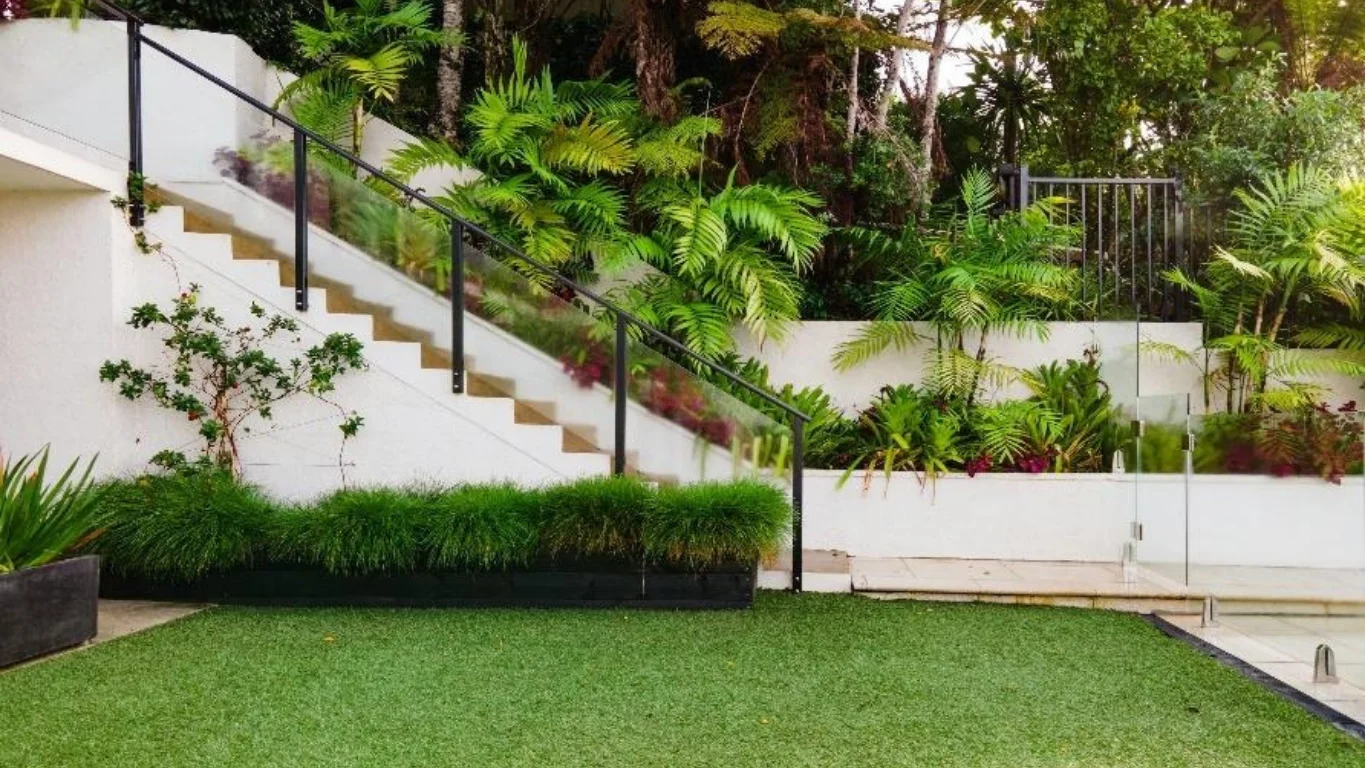
A front yard says a lot before anyone ever knocks on the door. It sets the mood, creates a first impression, and quietly tells the neighborhood that someone here cares. In Tampa, where the sun stays generous and outdoor living is practically a lifestyle, there is no shortage of opportunity to turn a plain yard into something that stops people mid walk.
The good news is that it does not take a massive renovation or an unrealistic budget. A handful of smart, intentional choices can completely change how a home looks from the street.
Getting the Ground Cover Right
Nothing anchors a front yard like a healthy, well-maintained lawn. It acts as the canvas for everything else, from the flower beds along the walkway to the trees near the property line. When the grass looks full, and even the entire space feels polished and put together.
A worn-out lawn drags down the look of everything around it, and no amount of landscaping can fully make up for ground cover that has lost its thickness and color. Replacing it with sod is one of the fastest ways to get a full, even surface without waiting months for seed to fill in. Many homeowners look up Sod installation tips for Tampa lawns before starting because the local climate can be tricky to work with.
Keeping the lawn in shape after that initial setup is equally important. Mowing at the right height, watering during the cooler parts of the day, and staying ahead of weeds all contribute to a yard that looks lush without requiring constant intervention.
Adding Color with Thoughtful Planting
Flowers and shrubs bring personality to a front yard in a way that grass alone simply cannot. A few clusters of color near the entrance or along the driveway can make the whole property feel alive and welcoming. The key is to choose plants that work well with the local climate so they stay vibrant without demanding constant attention.
Layering heights is a small trick that makes a big visual impact. Taller plants toward the back of a bed, medium ones in the middle, and low-growing varieties along the edges create depth and texture. It gives the eye something to follow and makes even a modest planting area look intentional and designed.
Defining Edges and Borders
Clean lines can do more for a front yard than most people realize. Edging along the driveway, sidewalk, and flower beds creates a sense of order that instantly elevates the look of the entire space. It separates the lawn from planting areas and hardscaping in a way that feels crisp and deliberate.
There are plenty of materials to work with, depending on the look a homeowner is going for. Natural stone gives a timeless, organic feel. Pavers offer a more structured and uniform appearance. Even a simple trench edge, where the soil is cut away cleanly along the lawn, can make a world of difference without adding any materials at all.
Maintaining those edges throughout the year keeps the yard looking sharp. A quick pass with an edging tool every few weeks prevents grass from creeping into walkways and beds, which is one of the fastest ways a yard starts to look neglected.
Upgrading the Walkway and Entrance
The path leading to the front door is one of the most overlooked areas in yard design, but it carries a lot of visual weight. A cracked or narrow walkway can drag down the look of an otherwise beautiful space. Widening the path, replacing worn materials, or even just power washing the existing surface can create a noticeable improvement.
Lining the walkway with low-growing plants or small landscape lighting adds warmth and guides visitors naturally toward the entrance. It creates a sense of arrival that makes the home feel more inviting, even from the curb.
Using Lighting to Set the Tone
Outdoor lighting transforms a front yard once the sun goes down. It highlights the best features of the space, adds safety to walkways and steps, and gives the home a warm glow that stands out after dark.
Path lights along the walkway are a practical starting point. Uplighting near trees or architectural features of the house creates drama and depth. A well-placed fixture near the front door makes the entrance feel secure and polished.
The trick is to keep the lighting subtle. Overly bright or harsh lights can wash out the yard and feel uninviting. Softer, warmer tones tend to work best for residential spaces, creating an atmosphere that feels comfortable rather than commercial.
Keeping Everything Maintained
All the design effort in the world falls flat without regular upkeep. A front yard that looks incredible in spring but gets neglected by midsummer sends the wrong message. Consistency is what separates a great yard from one that only looks good in photos.
Setting a simple routine helps. A weekly mow, periodic weeding, trimming back overgrowth, and checking that lighting fixtures are clean and functional all take minimal time individually. Together, they keep the yard looking its best week after week.